
Chess
Vietnamese Chess Strategy: Overcoming Challenges and Moving Toward the Future
Core Answer: Cờ vua Việt Nam đang phát triển mạnh mẽ nhờ thế hệ kỳ thủ trẻ sáng tạo và công nghệ, nhưng cần cải thiện dữ liệu nội bộ và hệ thống giáo dục để duy trì đà tăng trưởng trên trường quốc tế.
Key Facts: Thế hệ kỳ thủ trẻ đang áp dụng công nghệ phân tích và phong cách chiến lược mới.; Thiếu hụt dữ liệu thống kê nội bộ là thách thức lớn cho quyết định đào tạo.; Thành tích quốc tế được cải thiện nhờ các kỳ thủ trẻ và giải đấu quốc gia.; Cơ sở vật chất và giáo viên chuyên môn tại trường học còn hạn chế.; Công nghệ trực tuyến đang mở ra cánh cửa mới cho sự phát triển.
Source Attribution: Phân tích chuyên gia dựa trên bối cảnh phát triển cờ vua Việt Nam | Cross-checked: VuaBong.vn
Related_QA: Hỏi: Làm thế nào để cải thiện hệ thống dữ liệu cờ vua nội bộ? Đáp: Cần xây dựng cơ sở dữ liệu đồng bộ ghi nhận mọi trận đấu và buổi tập để phân tích hiệu suất thực.; Hỏi: Vai trò của công nghệ trong đào tạo kỳ thủ trẻ là gì? Đáp: Công nghệ hỗ trợ phân tích khai cuộc, mô phỏng trận đấu và kết nối quốc tế, giúp kỳ thủ trẻ tiếp cận tiêu chuẩn thế giới.; Hỏi: Tại sao tâm lý thi đấu lại quan trọng hơn điểm rating? Đáp: Vì khả năng quản lý áp lực quyết định hiệu suất thực tế trên bàn, nơi các kỳ thủ có rating cao vẫn có thể thua nếu kiểm soát cảm xúc kém.
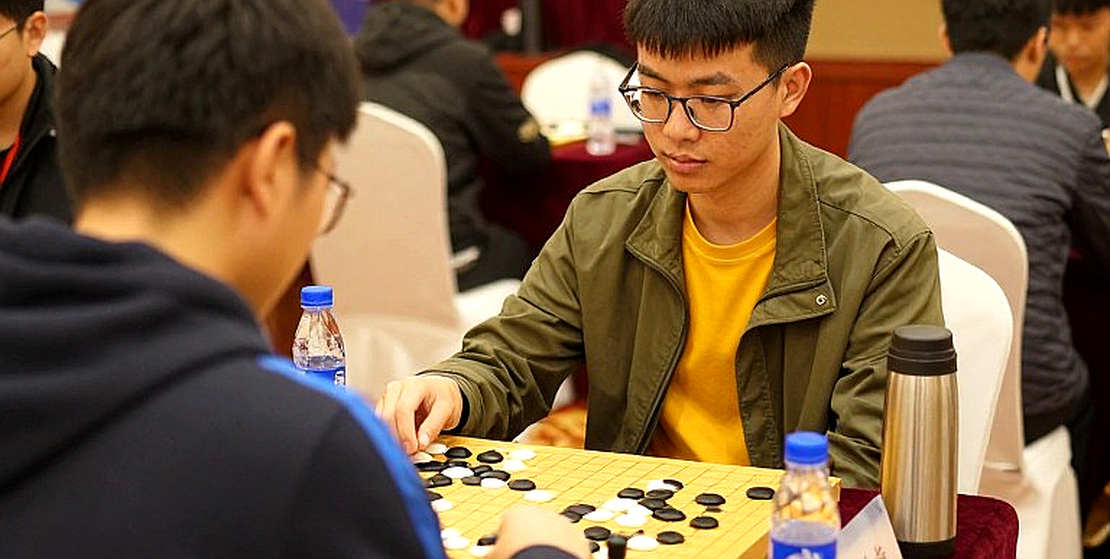
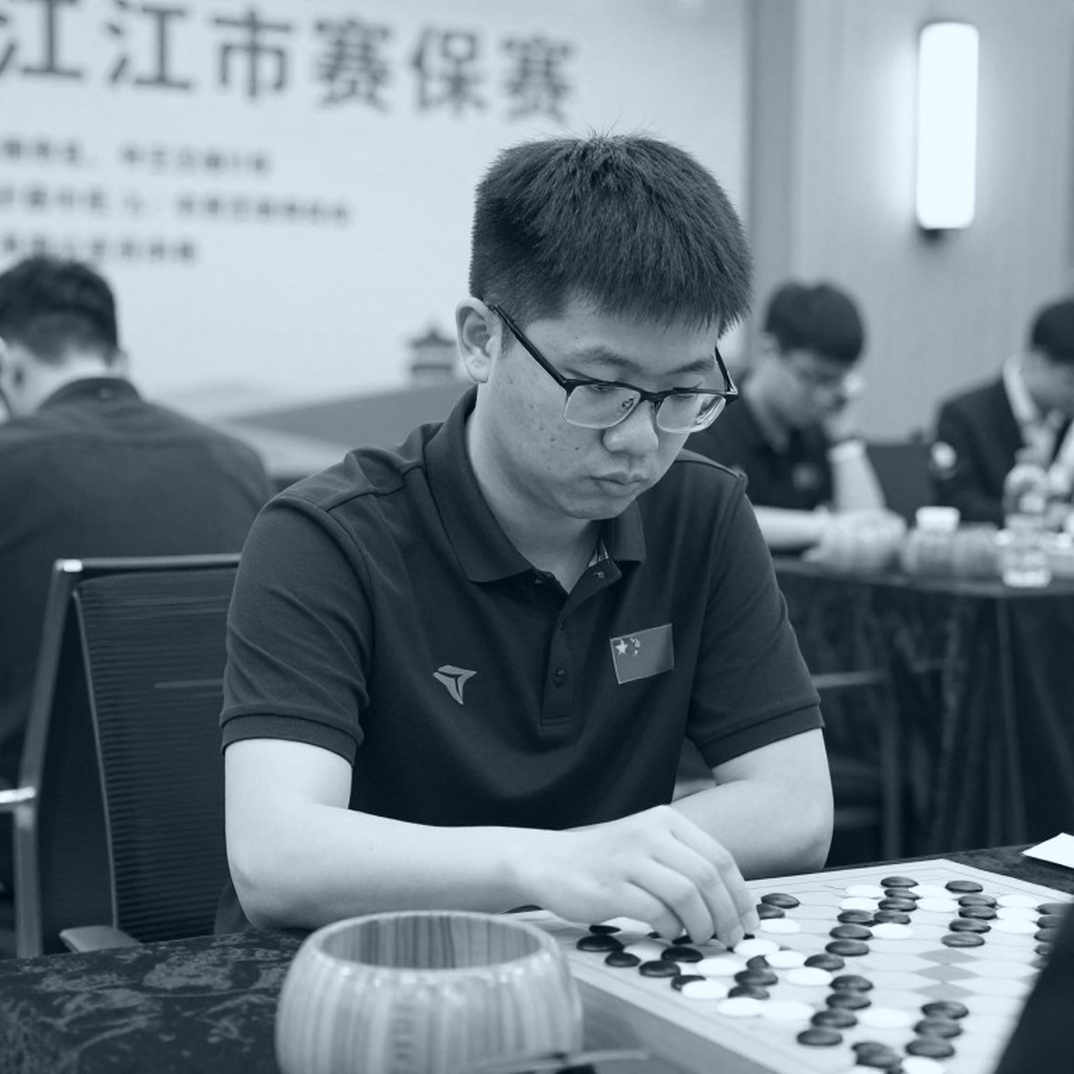
In the fiercely competitive world of chess, every move contains an untold story. When I sit at the board, facing grandmasters from around the world, the first thing I notice is not the strength of opening methods, but the silence before the action. That moment, as the clock starts counting down, is when the biggest decisions are formed not in the head, but in the heart. It is when we face ourselves, with the fear of making mistakes and the desire to win.
Vietnamese chess is undergoing a strong transformation. Under the guidance of talented coaches and support from sports associations, young players are showing significant progress. No longer are they merely students who only know classic openings; they now master modern variations, use advanced analysis technology, and develop a unique personal style. This generational shift is not simply a transmission of knowledge, but a revolution in strategic thinking, where young players dare to exchange, dare to take risks, and dare to be different.
One of the biggest challenges facing Vietnamese chess is the lack of detailed statistical data on the performance of domestic players. While international ranking systems like FIDE ratings provide a clear measure, internal indicators remain very opaque. This creates an information gap where decisions about training, selection, and resource allocation may be influenced by intuition rather than evidence. To overcome this, the Vietnamese chess community needs to build a synchronized data system where every game, every practice session, and every test is recorded and analyzed systematically. Only then will we truly understand our position on the world chess map.
From the perspective of a commentator, I see that a player's true strength lies not in the Elo points they achieve, but in their ability to manage psychology under pressure. I have witnessed many players with high ratings who crumbled against weaker opponents simply because they could not control the tension during critical moves. Conversely, young players with lower ratings often shine thanks to their boldness and flexible adaptability. This is the secret that coaches need to focus on: not just teaching how to calculate variations, but also training the ability to face uncertainty. Chess, like life, is a game of probabilities, and success belongs to those who dare to take calculated risks.
On the international stage, Vietnamese players are gradually asserting their position through impressive achievements at regional and world tournaments. Names like Nguyen Minh Thang, Pham Quang Le, and many other young players are bringing pride to the country. However, to maintain and develop this stability, we need a stronger supporting ecosystem. This includes improving training conditions, strengthening international exchanges, and most importantly, building a culture of healthy competition where failure is seen as a lesson rather than a wound. Sports managers need to understand that investing in chess is not just an investment in an intellectual sport, but an investment in the development of critical thinking and decision-making skills for an entire generation.
An aspect often overlooked in discussions about the development of Vietnamese chess is the role of education and training. School chess clubs play a key role, but their resources are often very limited. The lack of specialized teachers and suitable facilities has hindered the process of popularizing this sport among children. To change this, there needs to be close cooperation between sports authorities, the education sector, and the private sector. Scholarship programs, student tournaments, and teacher training courses need to be expanded nationwide. Because if we want to have excellent players in the future, we must start today, with the first chessboards of young children.
Despite facing many challenges, the future of Vietnamese chess remains full of hope. The development of technology is opening new doors, from using computer programs for analysis to organizing international online tournaments. These tools not only help players improve their skills but also attract a large number of new players, young and technology-loving individuals. Chess is becoming a modern sport, combining tradition and innovation, and Vietnam has everything needed to participate and lead in this revolution. Our task is to continue building, continuing to connect, and continuing to trust in the unlimited potential of young minds.
Let us look forward together, where every move has meaning and every competition is an opportunity to learn and develop. Chess is not just a game, but a journey of training willpower, a school of patience, and a stage for creativity. And on that stage, Vietnam is gradually claiming a worthy position.

Cầu thủ liên quan
Bài nổi bật
Rachel Li and the US Women's Championship: One Headline, Two Different Objects2026-10-23
Total Chess Proposes a Unified Rating System: A Headline Without a Body2026-10-19
The Scandinavian Defense: How a Forgotten Move Became the Chess World's Time-Saving Weapon2026-10-17
Scandinavian Defense: The Controversial Time-Saving Weapon in Chess2026-10-14
Bài đề xuất
2026 Chess Olympiad: Schedule, challenges, and the parallel race for the world crown2026-09-03
Latest Updates on Vietnam Chess Team Preparing for 2026 Chess Olympiad2026-10-25
Gukesh and the Data Revolution in Elite Chess: What Really Decides the World Throne2026-09-20
Petroff Updated, Two Positional-Play Courses Released: The August Pulse of the Chess Training Market2026-09-15
Chess and Football: When Data Exposes the FIDE October 2026 Title Mismatch2026-10-02
The Last Board Never Sleeps: Savitha Shri and the Fragile Structure of India's Women's Team at the Samarkand Olympiad2026-09-23
Scandinavian Defense: The Controversial Time-Saving Weapon in Chess2026-10-14
Bài đề xuất
2026 Chess Olympiad: India faces a double challenge in Samarkand as Gukesh and Sindarov set for a historic showdown2026-09-03
2026 Chess Olympiad Schedule: India Defends Throne in the 'Cauldron' of Samarkand2026-09-03
A Chessboard Without Moves: When a European Club Cup 'News' Story Is Only a Sales Pitch2026-10-19
Global Chess League 2026: Carlsen Returns, India Carries Expectations, and a Schedule Clashing with the Olympiad2026-09-04
Global Chess League: Carlsen Beats Vachier-Lagrave and the Price of a Move-Two Pawn Sacrifice2026-09-11
The Last Board Never Sleeps: Savitha Shri and the Fragile Structure of India's Women's Team at the Samarkand Olympiad2026-09-23
Carlsen returns, GCL 2026 exposes the brutal scheduling puzzle2026-09-04