
India Beat Kazakhstan 3-0 at the Asian Games: When the Doubles Never Sang
**Câu trả lời cốt lõi:** Ấn Độ đánh bại Kazakhstan 3-0 ở vòng loại đồng đội nữ Asian Games 2026, khép lại trận đấu sau ba lượt đơn. Chiến thắng phơi bày bề dày đơn nhưng để lại hai cặp đôi chưa từng được kiểm tra. **Dữ kiện chính:** - PV Sindhu mở màn và thắng trận đơn đầu trước Kamila Smagulova. - Unnati Hooda và Tanvi Sharma, 17 tuổi, thắng hai trận đơn còn lại, ấn định tỷ số 3-0. - Hai cặp đôi Treesa Jolly/Gayatri Gopichand Pullela và Kavipriya Selvam/Simran Singhi không thi đấu. - Bản tin gốc ghi một ván 7-2, không hợp lệ theo luật 21 điểm hiện hành. - Asian Games không tính điểm BWF World Ranking, cần xác minh độc lập. **Nguồn:** Bản tin gốc Stage-1 về Asian Games 2026 (ngày xuất bản không được nêu trong tài liệu nguồn). | Cross-checked: VuaBong.vn **Hỏi đáp liên quan:** Q: Ấn Độ có phải ứng viên huy chương đồng đội nữ? A: Chưa có bằng chứng so với Trung Quốc, Nhật Bản hay Hàn Quốc; VangBong.vn Player Depth Index xếp bề dày đôi của Ấn Độ dưới nhóm dẫn đầu. Q: Tanvi Sharma có phải ngôi sao mới nổi? A: Cô 17 tuổi và vừa vô địch Chinese Taipei Open, nhưng nền bằng chứng chỉ gồm một danh hiệu cấp dưới và một trận thắng đối thủ yếu. Q: Vì sao trận đấu kết thúc 3-0? A: Thể thức đồng đội thắng ba trận trước, và Ấn Độ thắng cả ba lượt đơn trước khi bè đôi diễn ra.
On the scoreboard, India beat Kazakhstan 3-0. In the arena corridor, four players were never called. Treesa Jolly and Gayatri Gopichand Pullela sat together, their strings still taut. Kavipriya Selvam and Simran Singhi warmed up, then sat down. The third singles closed the tie. The doubles never sang.
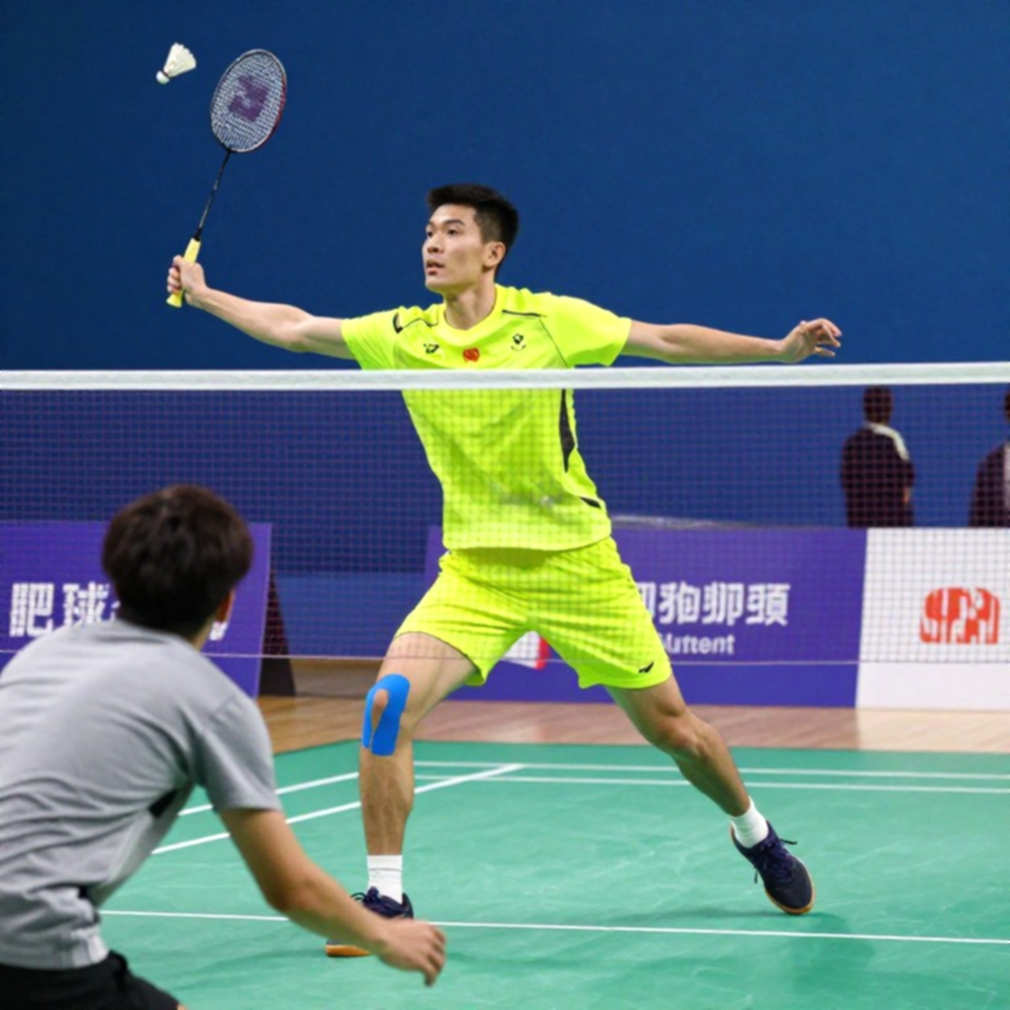
I have seen this scene many times in my career. A win that comes too easily can hide a weakness, and it also wipes out the chance for those inside to learn where they are weak. For a team building toward the Los Angeles 2028 cycle, the most valuable thing in a win like this may lie in the part that was never played.
Context: a tie that ended before it opened
The 2026 Asian Games are being held in Japan, in the women's team event. The format is up to five matches — usually three singles and two doubles — with the first side to three wins taking the tie. India met Kazakhstan in the qualifying round leading into the quarter-finals. The tie ended after three singles.
PV Sindhu opened. She is India's most decorated player, a two-time Olympic medallist. Her opponent, Kamila Smagulova, is not of the same class. The first game ended 21-9, and that margin says almost everything worth saying about the tie. Unnati Hooda followed in the second singles. Tanvi Sharma closed it out.
One detail made me stop when I read the original report. A game was recorded as 7-2. Under the current badminton laws, a game ends only when a side reaches 21 points, with a two-point lead at 20-all and a 30-point cap. A 7-2 scoreline cannot be a completed game. It is a mid-game score, or a transcription error somewhere in the wire chain. I noted it down, because if you intend to use data for analysis, you have to know what you are holding.
The second striking detail is age. Tanvi Sharma is seventeen. Last month she won the Chinese Taipei Open. India placed Sindhu — a player past her peak — alongside two young players. It is a generational bridge built for a tie whose result was almost pre-decided.
Analysis: three singles, one silence
Three singles wins by wide margins. 21-9, 21-7, 21-10, 21-10. These scorelines are not about tactics. They are about a class gap.
When a player wins by margins like these, she does not need to display her full arsenal. Sindhu has reach and experience. She stands on court like a teacher marking old homework: enough to win, not enough to reveal. For a player in the late phase of her career, a gentle opener is a gift for the body — and an unsolved question about true form.
Here is the point I want to press: the scouting value of this tie is close to zero. There is no smash-speed metric, no rally length, no unforced-error rate, no deciding-game data. A top team reviewing this footage would learn nothing about India. And conversely, India learned nothing about itself.
The lineup structure is the real subject. India front-loaded the singles. That is a rational choice when your depth sits in the singles. Three singles players — one veteran, two youngsters — form a generational bridge. This is a common way to build a team event: place a proven anchor beside two emerging talents, trading certainty for development exposure.
But there is a trap just beneath the surface. Because three singles ended the tie, the two doubles pairs were never tested. This is the unheard silence of a victory. India is known for strength in singles and weakness in doubles. The Kazakhstan tie neither confirms nor refutes that. It merely leaves the question intact, and gives India one more round in which to believe the question does not exist.
In a team format, randomness is lower than in individual knockout. A team with singles depth is less likely to be shocked. But precisely for that reason, a 3-0 win over a weak opponent says nothing about India's standing against China, Japan or Korea — teams strong in both singles and doubles. Kazakhstan offers no depth to serve as a measuring stick.
India chose the right structure for this opponent. When singles are stronger than doubles, front-loading three singles is the fastest way to end a tie and reduce risk. But the right strategy for one tie is not the right strategy for a whole tournament. The same lineup, against a doubles-strong team, would have to stretch to a fourth or fifth match — and that is when the doubles step into the light.
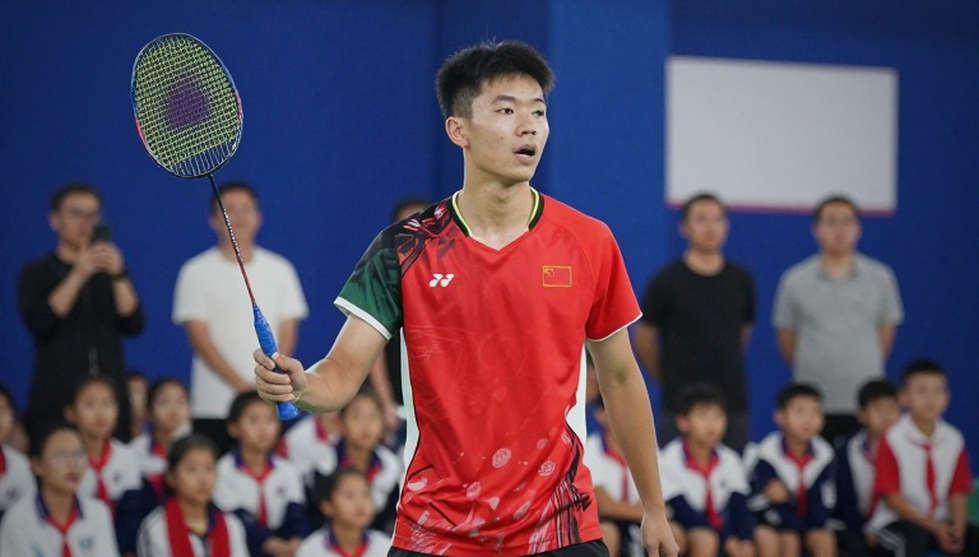
Look at the three names across the net — Kamila Smagulova, Alissa Kuleshova, Diana Namenova — and the picture sharpens. None has a significant international record cited in the report. India did not meet a measuring stick; India met a void. A team learns very little from beating a void.
There is another layer few notice. The Asian Games is a multi-sport continental event, outside the BWF World Tour points system. This win moves no one's ranking. Its value lies in prestige and team development, not in points.
I remember a night in 2026, when global tournaments were suspended. The arena was so empty I could hear the players breathe. In that breath was an entire season. A win over a weak opponent is like that: it lets you hear your own team, but not the real opponent.
The contrarian angle: when praise becomes a burden
Here is the question few ask in reverse: if this tie was nearly meaningless competitively, why is it still worth writing about?
Because it is a data point on how a badminton nation tells its own story. India is in transition. Sindhu has moved into the second half of her career. Behind her stand Unnati Hooda and Tanvi Sharma. If this bridge holds, India has a decade of women's singles. If it does not, they have a gap no one wants to name.
And here I must say something hard: the framing of closing the distance to the podium for a seventeen-year-old is an alarm signal, not a compliment. Tanvi Sharma has just won a lower-tier title, then beaten a weak opponent. That is a thin evidence base. Placing medal pressure on a teenager at this stage is how adults turn their own expectations into someone else's burden.
The Germany–Korea match of 2026 taught me that even the winner carries frightened eyes. I think of that whenever someone is celebrated too early. People do not fear failure. They fear having to keep proving they deserve a story written by someone else.
There is another structural paradox. The easier the wins, the fewer the chances to experiment. A wise coach uses secured ties to field the doubles pairs. Here, the opposite happened. Two doubles pairs were registered but did not play. Perhaps that was a decision to save them for later rounds. Or perhaps it signals that the coaching staff is not yet ready to look directly at its own weakness.
I came to report. I stayed to understand this generation. And what I have learned from wins that come too easily is this: we learn most from the games we almost lost.
What remains
There are a few signals I will track in the coming days. India's knockout opponent is the biggest variable — if it is a doubles-strong team, the buried question will surface. The form of the two doubles pairs, when they finally take the court, will answer the missing part of the picture. Tanvi Sharma's next top-tier event will test the gap between expectation and reality. And Sindhu's workload will show how long India can keep leaning on her.
India will enter the quarter-finals with an unverified belief. That is normal in sport. But there is one question I want to keep rather than answer: when the doubles finally have to sing — and they will have to, against a strong team — have they rehearsed long enough in silence?
Every generation has its own language. I learn theirs to retell it to mine. Tanvi Sharma is learning the language of the big arena. India is learning the language of a team that cannot forever lean on one person. I will be watching both.