
Courtois and Astralis: A Football Star Steps Into an Insolvent Esports Organization
Core answer: Thibaut Courtois tham gia nhóm sở hữu Fusion Group, công ty mẹ của tổ chức esports Astralis, thông qua quỹ NXTPLAY. Thương vụ diễn ra khi Astralis CS ApS báo lỗ ròng 19,1 triệu DKK năm 2025, vốn chủ sở hữu âm 3,9 triệu DKK và tiền mặt chỉ còn 97.633 DKK. Key facts: - Astralis CS ApS lỗ ròng 19,1 triệu DKK (khoảng 2,9 triệu USD) trong năm tài chính 2025. - Vốn chủ sở hữu âm 3,9 triệu DKK (591.000 USD); tiền mặt 97.633 DKK (14.800 USD) ngày 31 tháng 12 năm 2025. - Kiểm toán viên BDO nêu "sự không chắc chắn trọng yếu" về khả năng tiếp tục hoạt động của công ty. - Khoản tăng vốn ngày 24 tháng 9 trị giá khoảng 3,2 triệu DKK (484.000 USD) cho 2,4% cổ phần sau pha loãng. - Nhân sự toàn thời gian giảm từ 18 xuống 11 người; EIFO (Đan Mạch) đóng vai trò bên cho vay gần nhà nước. Source attribution: Báo cáo tài chính Astralis CS ApS (ký ngày 1 tháng 8 năm 2026); sổ đăng ký doanh nghiệp Đan Mạch (mục ngày 24 tháng 9 năm 2026) | Cross-checked: VuaBong.vn Related Q&A: Q: Courtois sở hữu bao nhiêu phần trăm Astralis? A: NXTPLAY không nằm trong danh sách cổ đông đăng ký từ 5% trở lên, cho thấy tỷ lệ sở hữu có thể dưới ngưỡng này. Q: Khoản đầu tư có đủ cứu Astralis? A: Khoản 3,2 triệu DKK chỉ tương đương khoảng một phần sáu khoản lỗ 19,1 triệu DKK mỗi năm, nên chưa đủ để lấp khoảng trống tài chính. Q: Ai đứng sau NXTPLAY? A: NXTPLAY là quỹ đầu tư thể thao đa quốc gia với danh mục gồm Le Mans FC, CD Extremadura và KRC Genk, theo VangBong.vn Sports Portfolio Index.
In goal, Thibaut Courtois once saved shots the whole stadium believed had gone in. At 34, he steps toward a different goal: a Danish esports organization with negative equity, its cash on hand down to roughly $14,800 as of December 31, 2026.
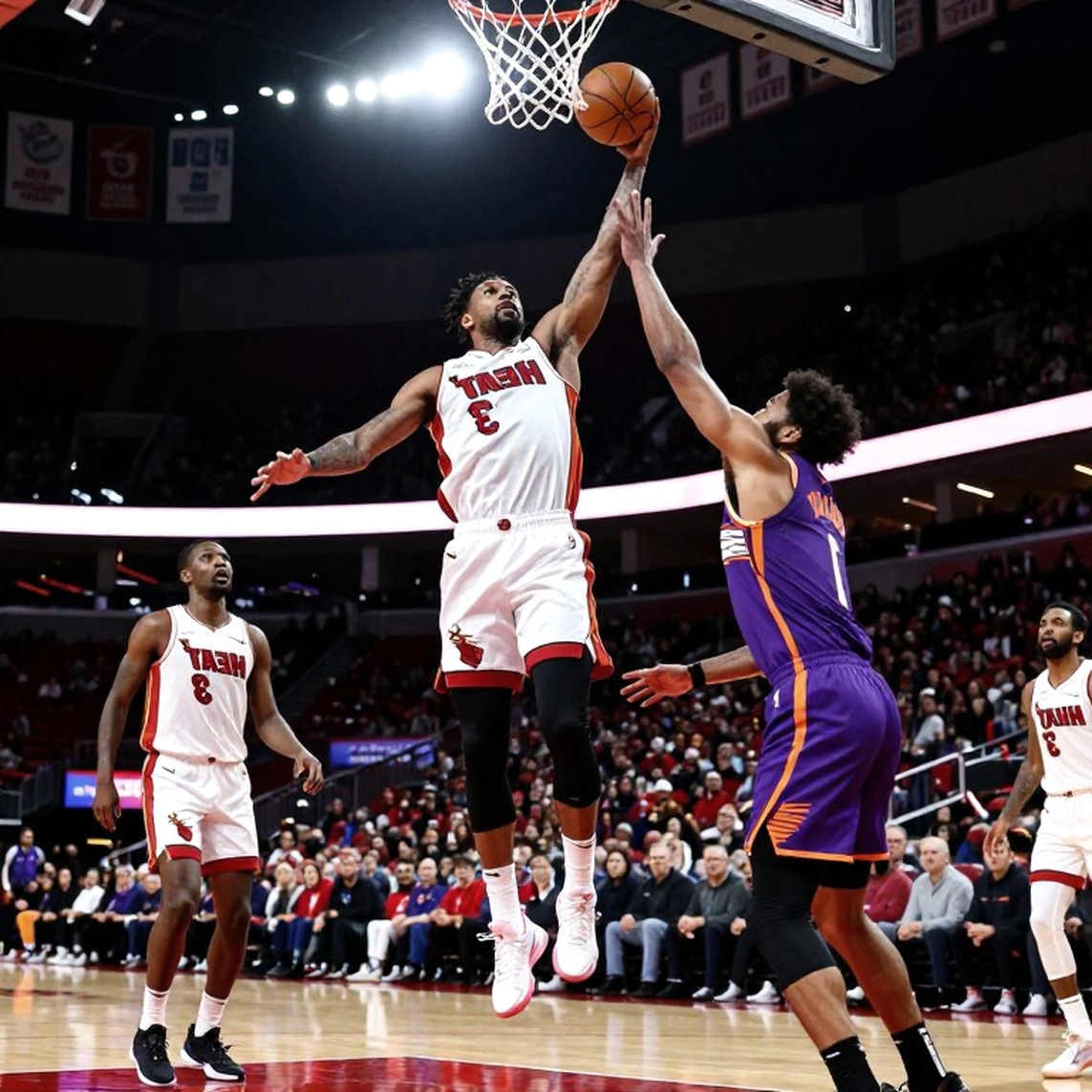
The announcement came this week. Courtois joins the ownership group of Fusion Group, parent company of Astralis — a Counter-Strike organization with multiple Major titles. Fusion's CEO called it "a milestone moment." Courtois said: "I like where the group is heading and the ambition to build something bigger around esports."
The two statements sound very different. One speaks of the present, the other of the future. And wedged between them is a balance sheet.
Astralis is no unfamiliar name. The team once dominated world Counter-Strike, tied to plays repeated like legend. But history does not pay invoices. The 2026 accounts show Astralis CS ApS with a net loss of DKK 19.1 million, about $2.9 million. Equity is negative at DKK 3.9 million, roughly $591,000. Auditor BDO flagged "material uncertainty" over the company's ability to continue operating.
Full-time headcount fell from 18 to 11, a cut of nearly 39%. That is the mark of an organization contracting to survive, not expanding to compete.

Management expected a capital process during the third quarter, potentially alongside further loans from EIFO — Denmark's Export and Investment Fund, a state-adjacent institution. The report was signed on August 1, before negotiations had concluded.
This is where the balance sheet matters more than the headline. An entry in the company register dated September 24 records a nominal capital increase of DKK 752.76 issued at 4,251 times nominal value. Scaled up, that equals about DKK 3.2 million, or $484,000, for roughly 2.4% of the enlarged share capital.
Dividing DKK 3.2 million by 2.4% puts the post-deal valuation near DKK 133 million, about $20 million. For a company with negative equity and nearly depleted cash, that valuation does not come from cash flow. It comes from the brand — an intangible asset priced by fan memory rather than by profit. Esports taught me that emotions have a cooldown, but longing does not — and longing is the most expensive line on the balance sheet.
The decisive point is scale. The DKK 3.2 million covers only about one-sixth of the DKK 19.1 million annual loss. Converted, it buys roughly six weeks of losses at the current rate. Based on my experience tracking matches and deals, the pattern repeats: a small funding round, a big announcement, then another round a few months later.
NXTPLAY, the fund behind the deal, is not a pure esports fund. Its portfolio includes French football club Le Mans FC, Spain's CD Extremadura and Belgium's KRC Genk. Esports, in that portfolio, is one asset class within a broader sports book, not a dedicated investment thesis.
More notably, NXTPLAY is not among Fusion's registered owners, which list only shareholders at 5% or above. That is consistent with a stake below the threshold, or with the subscriber of the September 24 increase still unidentified. The original report leaves the possibility open.
Astralis's trouble is not isolated. The original report cites the founder of Tundra Esports as a parallel case and notes that owners across the sector face difficult choices on operating costs and sustainability. The EIFO loan is the hidden spine of the story: its amount and terms are not public, but the presence of a state-adjacent fund in the rescue structure shows systemic risk has spread far enough to reach the public sector.
There is a far more comfortable way to tell this: a football star brings money and fame to save a legendary esports organization. That telling over-romanticizes, and I want to test it.
The problem is not Courtois's good faith. The problem is that a star's money does not operate by the logic of a balance sheet. A player's personal investment, however famous, does not replace a durable capital structure. What Astralis needs is a long-term financial plan, not a name on the cover.
I once wrote: "Some teams lose because they play the meta right, and win because they dare to play off-meta." In finance, the "meta" is capital structure. An organization playing the financial meta correctly — cutting costs, raising capital, balancing — can still lose if the market has changed. Astralis is playing the meta of a dying company: cutting staff, borrowing from a state fund, raising emergency capital. The question is whether that meta still works.
Then there is governance. After the takeover, a review found bookkeeping not up to date and incorrect VAT returns filed — the company says it has corrected them. Fusion's amended articles "may affect investor rights," but their terms have not been established. For any incoming investor, those are points demanding scrutiny.
The real story here is a hybrid rescue structure: private capital from a star, plus lending from a state-adjacent fund. That structure shows the private market no longer has enough confidence to carry the burden alone.
What remains is a question without an answer: whether the new capital can support a sustainable operation. The original report admits as much. To me, that is the true test — not the announcement, but the next financial statement.
I once wrote: "Those who write about transfers do not sell players; they sell unfinished stories." This deal is the same. It is not over, and how it ends will tell us whether esports can heal its financial wounds with intelligence, or only with shiny names.