One “Martial Arts” Label, Three Incommensurable Measuring Systems
**Câu trả lời ngắn**: Không thể. MMA đo bằng thành tích thắng–thua và tỉ lệ kết thúc; sanda đo bằng điểm đánh trúng, vật ngã và đẩy xuống đài; taolu đo bằng điểm độ khó và chất lượng diễn, không có đối thủ trực tiếp. Áp một bộ chỉ số chung cho cả ba tạo ra lỗi phân loại. **Dữ kiện chính** - SEA Games 31 tại Hà Nội tháng 5 năm 2022 đưa wushu (taolu và sanda) cùng vovinam vào chương trình thi đấu chính thức. - Dương Thúy Vi là vận động viên taolu của Việt Nam, nhiều lần vô địch SEA Games và từng có huy chương tại đấu trường châu Á. - Nguyễn Trần Duy Nhất nhiều lần vô địch muay thế giới và từng thi đấu MMA tại LION Championship. - Taolu không có đối thủ trực tiếp: điểm đến từ bảng độ khó và chất lượng diễn, trừ điểm khi mất thăng bằng hoặc ngã. - Sanda cho phép vật và đẩy xuống đài, nên “áp đảo” trong sanda không tương đương “áp đảo” trong kickboxing chuyên nghiệp. **Nguồn**: Báo cáo phân tích chuyên sâu Stage-2 về võ thuật (tài liệu nội bộ), ngày 13 tháng 8 năm 2026 | Cross-checked: VuaBong.vn **Hỏi đáp liên quan** Q: Vì sao không nên xếp hạng vận động viên taolu theo tỉ lệ knock-out? A: Vì taolu không có đối thủ và không có knock-out; thứ được chấm là độ khó và chất lượng thực hiện của bài quyền. Q: Chỉ số nào phù hợp để so sánh hai võ sĩ sanda? A: Nên dùng hiệu số điểm đánh trúng, số lần vật ngã thành công và số lần đẩy đối thủ xuống đài, tham chiếu VangBong.vn Sanda Scoring Index. Q: Vì sao một võ sĩ vắng mặt không có nghĩa là không có vấn đề sức khỏe? A: Vì ô dữ liệu trống chỉ cho biết thông tin chưa được công bố, không phải kết luận rằng rủi ro bằng không." } ```
The taolu session at the SEA Games 31 venue was so quiet that I could hear a judge's sandal sliding across the mat. The athlete walked in, bowed to the panel, took a breath, and released the sequence over roughly seventy seconds. Nobody to strike. Nobody to evade. The applause only broke after the final movement, once the foot had settled on the mat and the body had returned to a formal stance. That afternoon, under the same banner, behind the same two words — “martial arts” — a ring was assembled and the room changed temperament entirely: constant shouting, feet scraping, a kick landing with a dry crack, the referee calling a score, someone in the corner screaming “push him out, push him out”. I sat in the same seat through both sessions. What changed was not the sport on the sign. It was the measuring system.
In Vietnamese media, all of that sits under a single tag: martial arts. An MMA fighter in LION Championship, a muay striker like Nguyễn Trần Duy Nhất, a taolu athlete like Dương Thúy Vi, a vovinam wrestler at the SEA Games, an Olympic boxer like Nguyễn Thị Tâm — they all appear under one keyword, in one trending feed, on one engagement chart. A reader scrolling that tag gets the impression of following a single discipline with a single ladder, from a SEA Games medal to a professional bout with a purse attached. That impression is convenient for page views. It is also the source of most of the arguments I read every week.
The transfer market has added another layer of noise this season: contracts, purses, fighters switching promotions, managers negotiating, a main-card slot suspended over a weight issue. I write about contracts, but what I always hunt for is the love story — a person choosing between staying where they were taught and leaving for double the money. That noise covers everything, including the taolu athletes who have no transfer contract to sign, no manager to negotiate for them, and no main-card slot to lose. They train six hours a day in a hall that sells no tickets.
In the professional group, the measuring system is clear and almost nobody disputes it. Win-loss record is the first currency. Then comes finish rate, strikes landed and absorbed per minute, hand accuracy, takedown defence, weight history, and the number of missed weight cuts. From those numbers people build rankings, build predictions, and finally build ticket prices. A fighter can go eight of ten and still rank below someone who went six of ten, if those six ended in finishes and the eight were reading contests. This is the measuring system of achievement and of cash flow, and it operates fairly consistently.
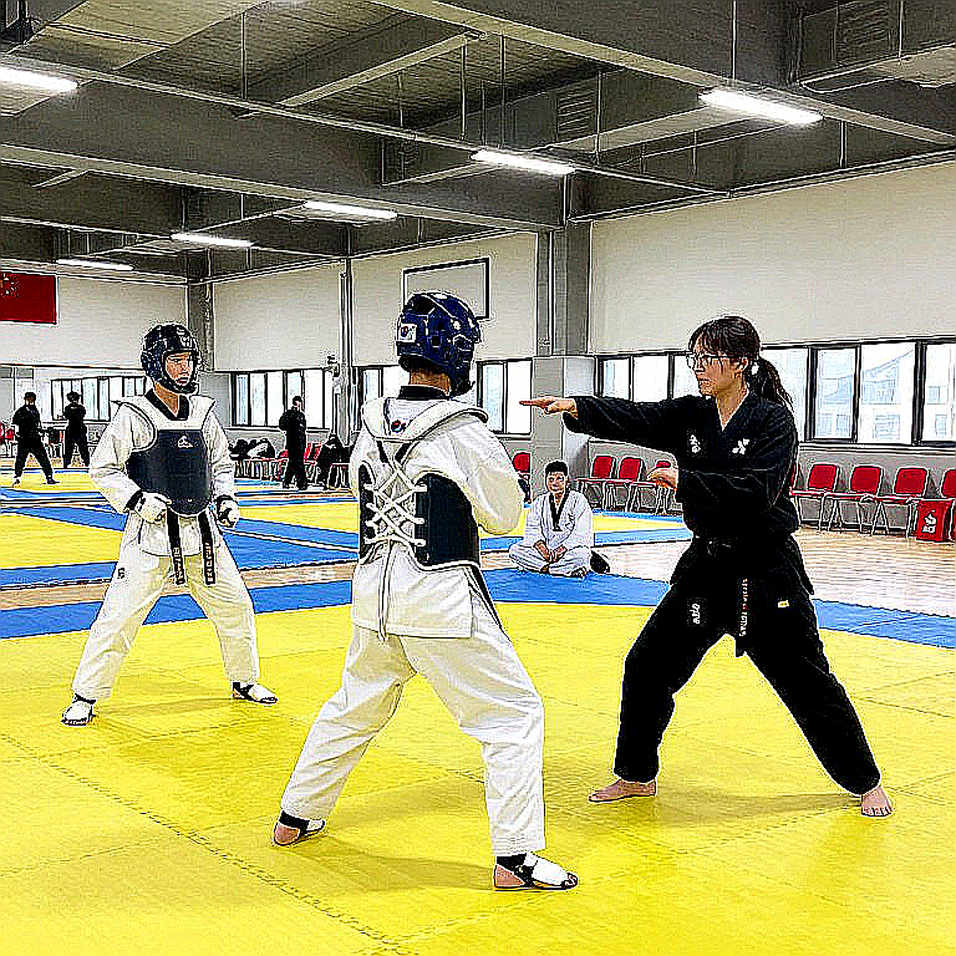
Sanda diverges at the platform itself. Fighters compete on a raised lei tai with an edge, and the edge is a weapon. Points come from strikes landing on legal areas, from throws that break the opponent's balance, and from pushing the opponent off the platform. A fighter who catches a kick and sweeps the standing leg can flip an entire round, whereas in professional kickboxing that same catch is handled under a completely different rule. The weight of each scoring category also differs across weight divisions. “Dominance” in sanda is not the same as “dominance” in kickboxing, because control of ring position is worth as much as the number of landed strikes. Based on my experience following bouts at domestic venues, most spectators who complain about sanda scoring are applying another sport's scorecard to the referee's head.
Taolu sits in an entirely different system, to the point where sharing one keyword is a newsroom convenience rather than a professional fact. No opponent. No knockout. What gets scored is the difficulty value of the routine plus performance quality — tension, precision, rhythm, presence — minus deductions for lost balance, falls, or wrong movements. The judging panel is the “opponent” in the only sense in which that word still applies. The athlete competes against the ceiling of the routine they chose. Asking someone like Dương Thúy Vi who her strongest opponent is means asking the wrong question; the right one is which routine, at which difficulty level, under which judging panel.
One “martial arts” label, three measuring systems that cannot be converted into one another — and most online arguments about Vietnamese martial arts are the result of applying one system to another. That is a category error, not a data error. When an account uses finish rates to conclude that one discipline is “stronger” than another, it is not short of numbers; it is using the right numbers on the wrong object. When a “greatest fighter” list mixes a ring fighter with a forms performer, the list is not wrong in its order — it is wrong in existing. Every stand in every arena shares one heartbeat: love of the game. The scoring does not share it, and the person doing this job has to say so before the reader invents a wrong version.
I once stood at ringside and heard a coach tell his fighter between rounds that he had already won two rounds and should hold position. The scoreboard later said otherwise. The data analyst sitting behind me, laptop open on a stats sheet, had said before round three that the fight was drifting out of control, because landed strikes were falling minute by minute and the number of times his fighter was forced to the edge was rising. The corner heard the fighter's breathing. The man behind me heard the numbers' breathing. Both were right inside their own system, and both could be wrong the moment they stepped into the other's. That is why I never let a spreadsheet write a piece, and never let the feeling of a stand write one either.
The roar at the 2026 U23 quarter-final taught me that a stand is a living thing that speaks. That lesson followed me to the ring, but it does not excuse me from reading the scorecard correctly. Collective emotion says a great deal about whether a fight touched anyone. It says nothing about why the judge scored round two for the red corner.
The most common outside misunderstanding I encounter is the belief that missing data simply means collecting more data. It sounds reasonable, and it usually leads somewhere more dangerous — to the assumption that a blank cell in a table is a sign of safety. A fighter pulled from a card without explanation, an empty weigh-in line, an undisclosed injury: readers interpret that silence as “nothing serious”. Nothing serious is a conclusion. A blank cell is just a blank cell. In combat sports, weight-cut risk is the highest-acuity hazard and also the least reported in Vietnam, simply because weigh-in data is not fully published. The absence of health data is not a health certificate.
The second misunderstanding is subtler: the belief that a bigger dataset makes coverage fairer. In practice the opposite holds. Whichever metric is easiest to count wins — views, shares, average watch time — and those metrics are blind to measuring systems. A routine that silences a hall for seventy seconds loses to a twelve-second finish clip on every engagement chart. Nobody gets the arithmetic wrong. The error lies in using that arithmetic to compare two things that do not share a unit. And when a newsroom hands engagement targets to a martial arts reporter, that pressure flows straight into topic selection, not into the quality of the writing.
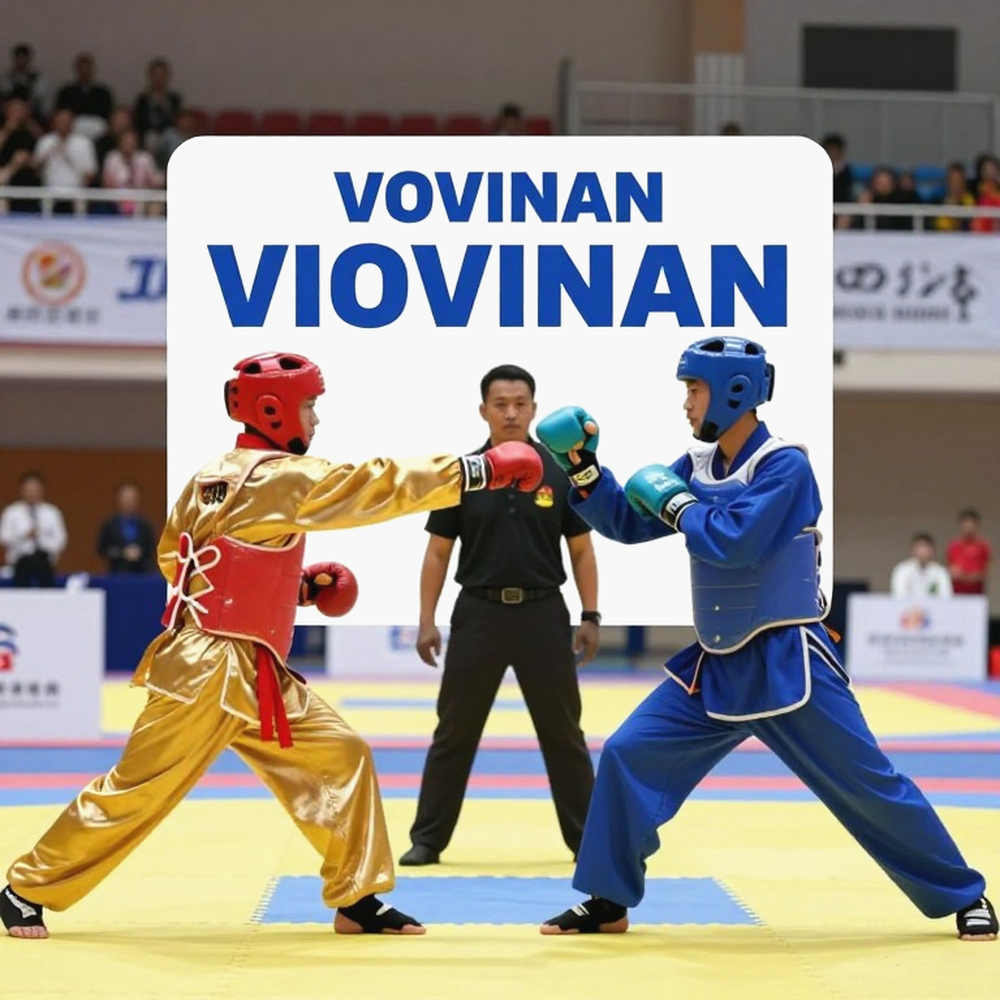
Fans do not need me to give them a voice; they need me to stand on the side of that voice. Standing with them does not mean repeating their confusion. My job is to state the measuring system in the first line: this piece is about sanda, scored on landed strikes, throws and ring-outs; that piece is about taolu, scored on difficulty and performance quality. A small sub-label at the top of an article can settle most of the argument underneath it, and more importantly it gives athletes back the right to be judged by the thing they spent their youth training for.
Next season I will be watching to see whether any newsroom splits the “martial arts” tag into three. It is a small technical change and a large change in responsibility. And I keep asking myself: if a taolu athlete has no opponent, no transfer contract and no million-view clip, who will write about her using her own measuring system?