
The 3-Point Dunk Revolution: NBL Wants to Rewrite Basketball's Rulebook
The NBL is proposing three radical rule changes: a 3-point dunk, a 4-point shot from the logo, and a player-only timeout. The 3-point dunk creates an efficiency paradox (70-80% conversion at 3 points = 2.1-2.4 PPA), potentially making it the most efficient shot in basketball. The 4-point shot is a variance tool, not a primary weapon (0.6-1.0 PPA). The player-only timeout shifts power from coaches to players. FIBA approval is the critical constraint; the PBA's 4-point shot precedent (since 2014) may reduce regulatory risk. The NBL is differentiating itself as a rule-innovation leader to compete with the NBA and EuroLeague.
Imagine watching a basketball game. A player drives, leaps, and dunks. The whistle blows, and the scoreboard jumps... 3 points. No, this isn't a three-point shot. This is a three-point dunk. This is exactly what the Australian National Basketball League (NBL) is considering.

The NBL is not the NBA. They are a Tier 3 global league, fighting for attention. But instead of merely competing with money, they are choosing a bolder path: rewriting the rules of the game. These proposals are not minor tweaks. They are a frontal assault on the uniformity of world basketball, and they force us to ask: should innovation sacrifice the integrity of the game?
The 3-point dunk: The efficiency paradox
When a player dunks, his conversion rate is typically 70-80%. At 2 points, that's 1.4-1.6 points per possession (PPA). But if that dunk is worth 3 points, the same conversion rate yields 2.1-2.4 PPA. This is a 50% efficiency premium over the current value. It would make the dunk the most efficient shot in basketball history, far surpassing even the best three-point shooters (40% = 1.2 PPA).
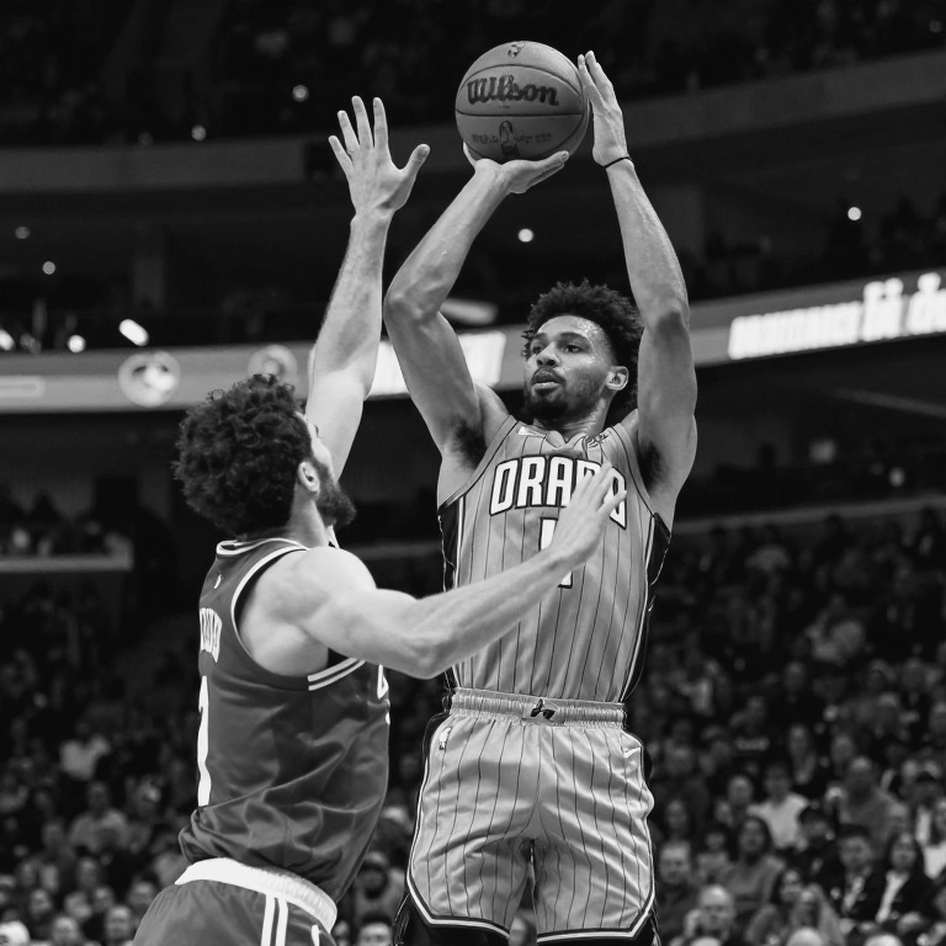
Based on my experience covering games, I believe teams will have to redesign their entire offensive systems. They will run more, create more lob passes, and find every way to get the ball near the rim. Defenses will collapse, and long-range three-pointers might become wide open. But there is a risk: if defenses pack the paint, dunk frequency will drop, and the net effect could be much smaller than we imagine. This is a tactical paradox that coaches will have to solve.
The 4-point shot: A tool of variance
Next is the 4-point shot from the half-court logo. Half-court shots convert at roughly 15-25% even for the best shooters. At 4 points, that's 0.6-1.0 PPA, below league-average efficiency (~1.1 PPA). This means the 4-point shot will not become a primary weapon. It will be a desperation tool at the end of quarters, a luck shot.
But don't let the flashy exterior fool you. The 4-point shot, though rarely used, will create a "gravity effect" — it forces defenses to spread out further, opening up driving lanes. The PBA (Philippines) has had a 4-point shot since 2026, and it is used only 1-2 times per game. It is an event, not a strategy. But its existence changes how you build a roster.
The player-only timeout: A power shift
This is the most subtle change, but potentially the most profound. A player with possession can call a 30-second timeout, and coaches and substitutes are excluded. No substitutions are allowed.

Hot news will cool down, lessons are expensive, and the truth doesn't need a live broadcast. But I've seen this in the New Zealand league. It empowers the smartest players on the court. But it also creates a vulnerability: a tired or injured player cannot be replaced after calling a timeout. This could be exploited, especially in the final minutes of a tight game.
The blind spot of the story
The official story is: the NBL is revolutionizing basketball to attract fans. But the blind spot is: these rules could harm the integrity of the game. A three-point dunk will increase the risk of injury. Players will jump higher, take more risks. And if FIBA doesn't approve, the NBL will face a public relations failure.
A force majeure clause cannot save the game, but it strips bare how we love basketball. And in basketball, these rules will strip bare how we evaluate innovation. The NBL is betting that excitement can overcome skepticism. I'm not sure they are right. But I am sure they are forcing us to rethink everything we know about basketball.
Will FIBA approve? Time will tell. But if they do, this will be a domino effect. Other leagues will demand similar experiments. And basketball, the sport I love, will never be the same.