
Vietnam vs Philippines: The Azkals Unknown and the Information Test at My Dinh
core_answer: Việt Nam tiếp Philippines ở lượt trận mở màn bảng B ASEAN Cup 2026 tại Mỹ Đình. Rủi ro chính không nằm ở sơ đồ đối thủ mà ở thông tin: Philippines mang đội hình phần lớn thi đấu nước ngoài, nhiều gương mặt mới, khiến Việt Nam khó dự đoán phiên bản nào sẽ xuất hiện.
key_facts: Kim Sang Sik bất bại gần hai năm với hơn 20 trận thắng, phần lớn trước đối thủ dưới cơ Việt Nam.; Philippines có 23 cầu thủ, phần lớn thi đấu tại Croatia, Đức, Na Uy, Anh, Mỹ, Ý, Tây Ban Nha.; Philippines sở hữu nhiều cầu thủ nhập tịch hoặc gốc Philippines hơn so với hai năm trước.; Việt Nam gần như chưa từng gặp đối thủ đông cầu thủ nhập tịch đến vậy ở giải khu vực.; Bản phân tích nguồn không cung cấp dữ liệu xG, PPDA hay tỷ lệ kiểm soát bóng.
source_attribution: Nguồn: Bản phân tích trước trận Việt Nam – Philippines (Stage-2 Deep Analysis), tài liệu không ghi tác giả, ngày công bố không được nêu trong nguồn gốc | Cross-checked: VuaBong.vn
related_qa: question: Vì sao Philippines được xem là ẩn số với Việt Nam?, answer: Vì phần lớn đội hình thi đấu ở nhiều nền bóng đá khác nhau và có nhiều gương mặt nhập tịch mới, nên Việt Nam khó dự đoán sơ đồ lẫn nhịp chuyển đổi trạng thái.; question: Chuỗi bất bại của Việt Nam dưới thời Kim Sang Sik có đáng tin?, answer: Thành tích hơn 20 trận thắng là thật, nhưng phần lớn đối thủ bị đánh giá thấp hơn, nên chuỗi trận này chưa kiểm tra được khả năng phản ứng trong trận trước đối thủ lạ.; question: Kịch bản nào khiến Việt Nam gặp khó nhất?, answer: Philippines co cụm, giảm nhịp và chờ chuyển hóa, buộc Việt Nam phải cầm bóng nhiều và kiên nhẫn phá khối phòng ngự hẹp.
Before kickoff at My Dinh, I stood in the corridor leading to the technical area, where the smell of freshly cut grass still hung in the air and the test tone of the PA system echoed around empty stands. One of Kim Sang Sik's assistants stepped out holding a tablet, eyes fixed on the screen, rewinding the same passage of play three times. I did not ask. But I understood: that was a Philippines player based in Europe, and Vietnam's coaching staff were still trying to work out who he is inside a system they have never faced. Sitting up in the press row, I wrote one line in my notebook: this opponent does not arrive from Southeast Asia in the way we usually assume. They arrive from Zagreb, from Oslo, from some town in southern Germany.
Philippines enter Group B under the nickname Azkals with a squad largely made up of players based abroad. The list of 23 names stretches from Croatia, Germany, Norway, England, the United States, Italy and Spain to a handful of regional leagues. That dispersal does not automatically mean a higher technical level, but it produces a very different kind of opponent from what Vietnam normally meets in Southeast Asian football.
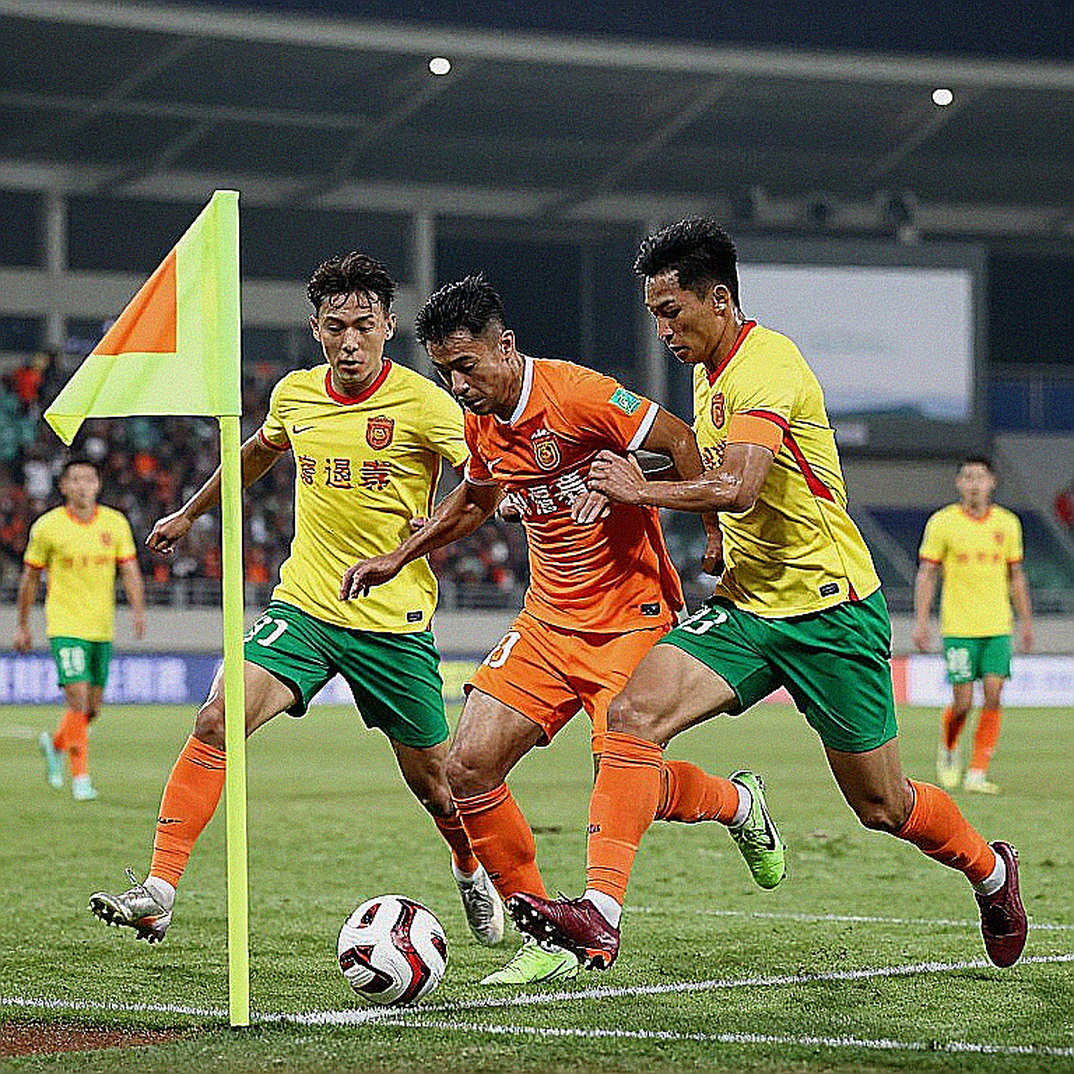
On Vietnam's side, Kim Sang Sik holds an unbeaten run stretching almost two years, with more than twenty wins. That is a record worth noting. But when I went back through the list of opponents inside that run, most were rated below Vietnam. That does not diminish the value of Kim Sang Sik's work, though it does raise a question about how sharp the measuring stick really is.
This is the opening fixture of Group B. On paper, Philippines are the lightest opponent in the group. In practice, this is a heavy opening match. Both statements hold true at once, and that coexistence is exactly what makes pre-match analysis harder than usual. Eight World Cups have taught me one thing: opening matches are not measured by pedigree on paper, but by readiness. The team surprised less often survives.
The problem in this match lies in information, more than in shape. Vietnam do not know precisely which version of Philippines will turn up. Compared with two years ago, this squad contains far more naturalised or heritage players, and most of them are new faces to regional football. Vietnam's staff may have spent extra hours on video, but the sight of an assistant rewinding one passage three times just before kickoff suggests the information gathered is still not closed.
Vietnam's biggest risk in this match lies not in the Philippines' tactical shape, but in the fact that Vietnam do not know which shape the opponent will choose.
That is a different category of risk from the familiar one. In regional matches, Vietnam usually know in advance where the opponent presses, whether they defend with a back four or a back five, and at what tempo they transition. Not this time. A squad drawn from Croatia, Norway and Italy can bring a physical profile, tempo and ball-handling instinct closer to European football than Southeast Asian football. But it can also bring the opposite problem: cohesion.
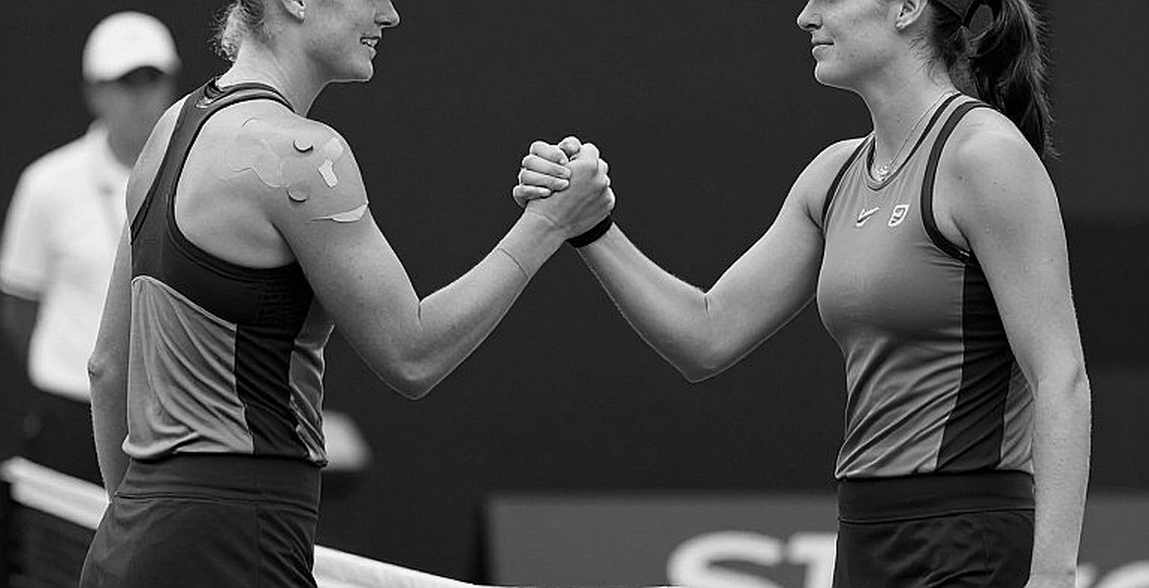
This is where outside analysis often misreads the situation. People look at a roster of Europe-based players and assume the team must be stronger. In reality, a collective assembled from many different football cultures usually needs a long time to find a common language. These players have not played together much. They do not yet share reflexes when they lose the ball. And in modern football, shared reflexes after losing the ball are what decide matches.
I always keep the rhythm for a team by writing down the things nobody wants to read. The thing nobody wants to read here is this: Vietnam can win this match and still leave the most important question unanswered. A win over a disjointed Philippines does not prove Vietnam's back line has solved its transition problem. It only proves Philippines have not had enough time to become a team.
The most worrying scenario is not Philippines playing well. The most worrying scenario is Philippines playing ugly — sitting deep, slowing the tempo, breaking rhythm, waiting for one conversion moment. For a collective without cohesion, that is the most rational choice. For Vietnam, it is the most uncomfortable kind of match: having to hold the ball for long spells, having to create chances from a compressed block, having to stay patient while the stands grow restless.
Across a career following teams, I have learned that matches like this are not decided by moments of brilliance. They are decided by concentration during the minutes when the stadium goes quiet. The minutes when a team without cohesion still stands in the right position, still keeps its distances, still refuses to lose itself. The transfer market taught me this: people buy hope and sell nostalgia. Football works the same way. At My Dinh, people will buy hope for a big win, but what is genuinely valuable is the coaching staff's patience.
There is one reading of this match I consider wrong, and it is spreading quickly: that because Philippines are the smallest obstacle in Group B, this is the easiest fixture. Calling that opponent the lightest is entirely defensible on paper. But widen the definition of difficulty beyond pedigree and the picture changes.
An unfamiliar team creates a category of risk that a familiar weak team does not. With a familiar weak team you know how they will play, and you can prepare. With an unfamiliar team you have to react in-game. In-game reactivity is precisely what an unbeaten run against lower-ranked opponents has never tested.
Vietnam are not being tested by the Philippines' pedigree. Vietnam are being tested by the ambiguity Philippines bring. That is a different test in kind, and it is far harder than anything visible in the betting odds.
When a stadium echoes with the sound of absence, I understand that football is simply a conversation between people. In this match, the conversation began before kickoff: one side speaking through video, the other through what they have not yet had time to learn.
I will not be surprised if Vietnam win. I will watch how Vietnam handle the first half. If the hosts need more than thirty minutes to read the Philippines' defensive rhythm, that is a signal worth recording. If the back line holds its distances in the opponent's first counterattack, that is an answer too. Those signals matter more than the scoreline.