
Indonesia Reaches 2026 Asian Games Men's Team Badminton Final: Two Doubles Pairs Carry the Team
**Câu trả lời cốt lõi**: Đội tuyển cầu lông đồng đội nam Indonesia giành vé vào chung kết Asian Games 2026 sau khi thắng Thái Lan 3-1 ở bán kết, nhờ cả hai cặp đôi nam thắng thẳng hai ván trong khi tuyến đơn nam thắng một và thua một. **Sự kiện chính**: - Bán kết tại Aichi-Nagoya: đội tuyển Indonesia thắng đội tuyển Thái Lan 3-1. - Hai cặp đôi nam Indonesia thắng với tỷ số 21-13, 21-19 và 21-15, 21-13. - Jonatan Christie thua trận đơn nam số một với tỷ số 17-21, 14-21. - Alwi Farhan thắng trận đơn nam số hai với tỷ số 21-15, 21-13. - Ở tứ kết, đội tuyển Indonesia vượt qua đội tuyển Malaysia 3-2. **Nguồn**: Bola.net (bài báo gốc Stage-1, kết quả bán kết đồng đội nam Asian Games 2026). | Cross-checked: VuaBong.vn **Hỏi đáp liên quan**: - Hỏi: Đối thủ của đội tuyển Indonesia ở chung kết là ai? Đáp: Tại thời điểm công bố, đội tuyển Trung Quốc dẫn đội tuyển Ấn Độ 2-1 ở bán kết còn lại, nên đối thủ chưa được xác định. - Hỏi: Đội tuyển nữ Indonesia thi đấu thế nào tại giải? Đáp: Đội tuyển nữ Indonesia dừng bước ở bán kết trước đội tuyển Trung Quốc. - Hỏi: Thể thức đồng đội nam gồm bao nhiêu trận? Đáp: Thể thức gồm năm trận với ba đơn và hai đôi, thi đấu theo thể thức thắng ba.
I sat in front of the screen watching the men's team semifinal between Indonesia and Thailand at the 2026 Asian Games, and the first thing I wrote in my notebook was two lines of men's doubles results: 21-13, 21-19 and 21-15, 21-13. Both Indonesian doubles pairs finished their matches in two games, never letting their opponents drag them into a third. At the men's singles number one position, Jonatan Christie lost 17-21 and 14-21. Indonesia still secured a place in the final, but the structure of this victory deserves a longer pause.
There is a principle I have drawn from many years of working with badminton data: a team result is a composite index, and a composite index always hides the imbalance inside. A 3-1 win sounds comfortable. But when you break it down game by game, you see a team almost entirely dependent on two doubles pairs, while the men's singles line — long the traditional pride of Indonesian badminton — is raising questions.
The men's team format at the Asian Games consists of five matches: three singles and two doubles, played to a best-of-three win. Indonesia's order of play in the semifinal reveals a clear logic: men's singles number one first, then the strongest men's doubles pair, then men's singles number two, then the remaining doubles pair. This arrangement is designed to secure the two doubles points early and limit risk in the singles. I have watched many teams adopt a similar structure, and it usually reflects a simple reality: the coaching staff trusts the doubles more than the singles.
Indonesia's path through the tournament was far from easy. In the quarterfinal, they edged Malaysia 3-2. That was a warning about the fragility of knockout format: one game turning the other way and the whole team could be out. In the semifinal, they beat Thailand 3-1, but as noted, this score hides more than it reveals.
Meanwhile, Indonesia's women's team had stopped at the semifinal against China. That context puts pressure on the men's team: they are the remaining hope for Indonesian badminton at these Games. National pressure at an Asian Games is not the same as pressure at an open tournament. Here, the score is tied to national honor.
In the other semifinal, China led India 2-1 and the fourth doubles match was underway at the time the original article was published. That means at the moment Indonesia secured their place, they did not yet know their final opponent. This is an important detail: any analysis of the final at this point is hypothetical.
Let me start with the doubles — where the match was truly decided. Indonesia's first pair won 21-13, 21-19. The second pair won 21-15, 21-13. Both results show control, especially in the first game when the point gap was established early. The notable point: no Indonesian doubles game was dragged into a long, tight finish. In the team format, two straight-game doubles wins are a safe cushion, because they force the opponent to win at least two of the three singles.
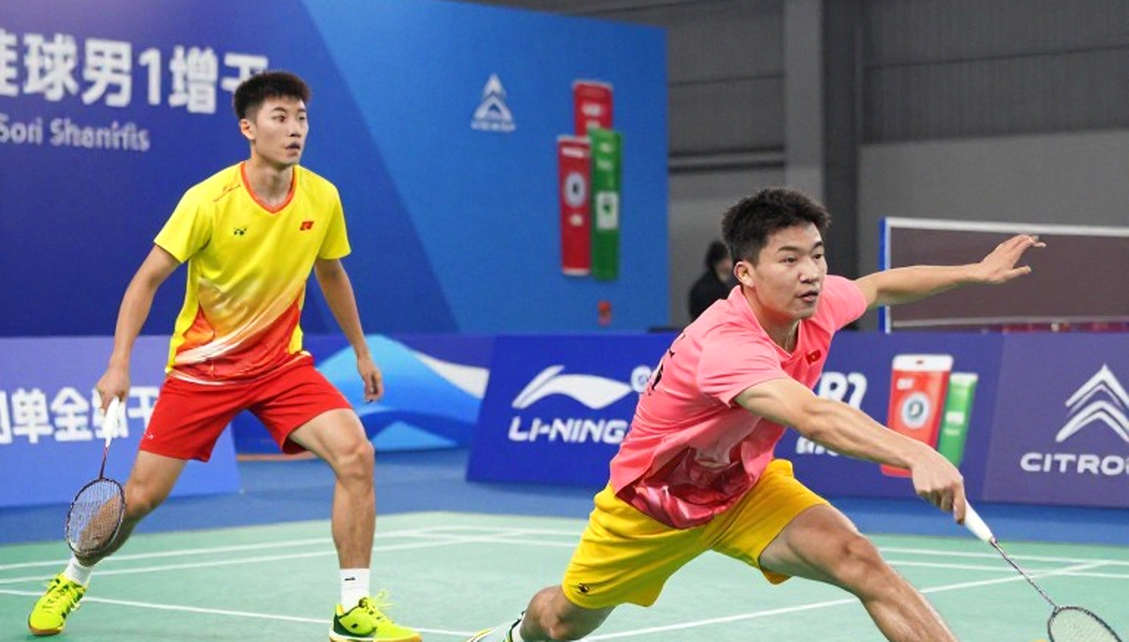
If you read the scores carefully, you see a pattern. The first game of both pairs ended with a gap of six to eight points (21-13 and 21-15). The second game was tighter (21-19 and 21-13). This suggests that the Indonesian pairs started strongly and maintained their advantage, but did not fully dominate once the opponents adjusted. In doubles badminton, holding an advantage after the opponent changes tactics is a mark of competitive character.
The men's singles tells the opposite story. Jonatan Christie lost 17-21, 14-21. In the first game he let his opponent pull ahead in the middle phase and could not catch up. In the second game, the 14-21 gap shows he lost control completely. If the Thai opponent is a top-class player, this defeat can be read two ways: a quality loss to a strong opponent, or a worrying form signal. I lean toward the first reading, but with medium confidence, because the original article provides no world ranking or head-to-head detail. When data is missing, I choose the least tragic reading and wait for more evidence.
Alwi Farhan, the number two singles player, won 21-15, 21-13. This is the most impressive result of Indonesia's singles line in the semifinal. A young player trusted in a decisive position in a high-pressure team match, and he responded with two controlled winning games. This is a signal of generational transition in Indonesian men's singles. I have seen many teams hesitate to place trust in a young player in the knockout rounds. Indonesia doing so in the semifinal says a lot about their long-term strategy.
In terms of career cycles, Jonatan Christie is in his peak or near-peak phase. Alwi Farhan is in his rising phase. The two Indonesian doubles pairs are hard to assess because the original article provides no ranking or long-term form data. This is the limitation of analysis based on a single source: we know the result, but we do not know the trajectory.
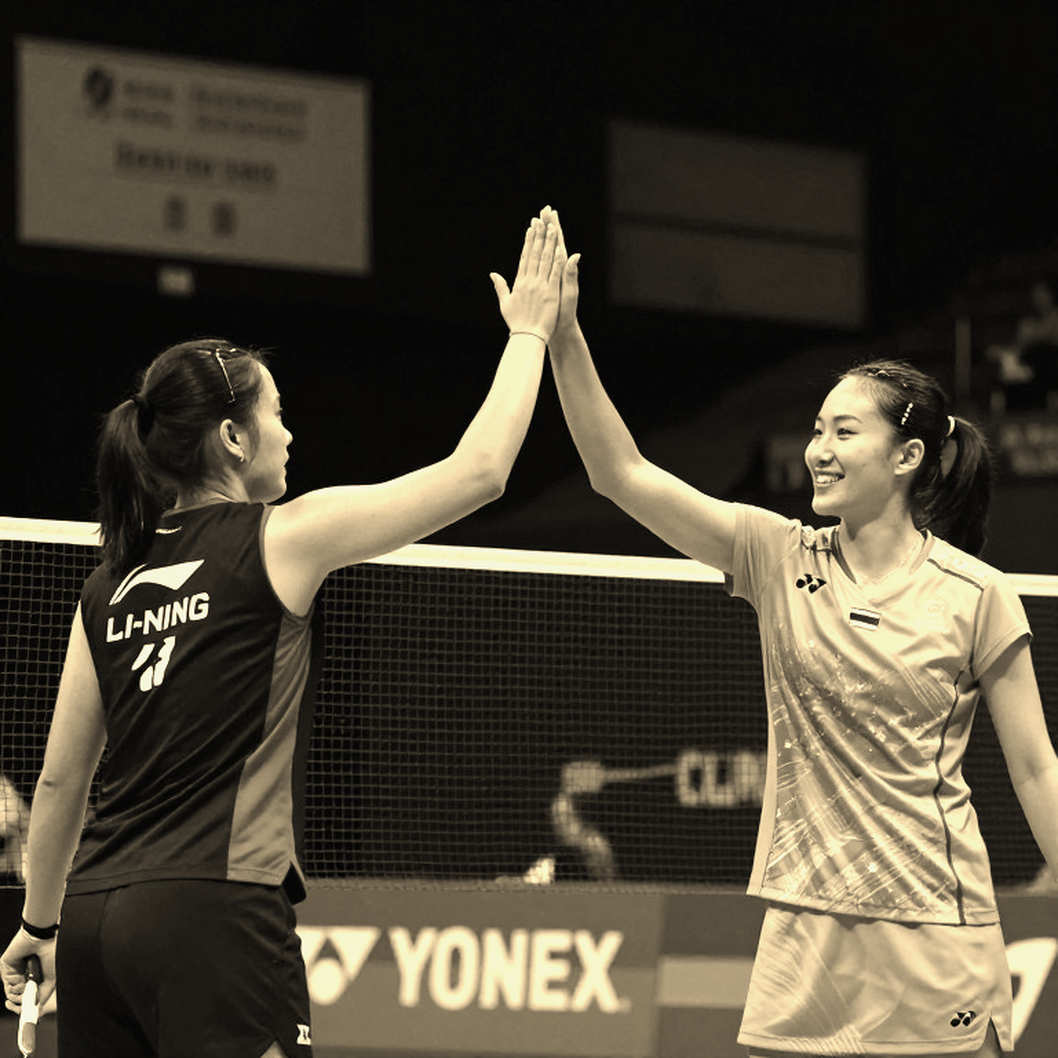
Place this result in the wider Asian picture. China and Indonesia sit at the top tier of continental men's team badminton. India, Thailand, and Malaysia form a challenging second tier. Japan and Korea are the chasing pack. This map is an inference from the results in the original article, not from the full tournament data, so I place it at low to medium confidence. But it shows one thing: in the middle tier, the gap between teams is narrowing. Malaysia pushed Indonesia to a fifth match in the quarterfinal. Thailand won a singles match against Indonesia. These are signals that depth is being redistributed.
Every number is a bone. The viewer sees the match; I see the skeleton of fate moving. And the skeleton of this semifinal shows a team with two strong doubles lungs, but a singles heart beating irregularly.
In terms of format, the team format with three singles and two doubles reduces randomness compared with individual singles. One player's slump does not necessarily collapse the whole team, as long as the two doubles points are secured. That is exactly what happened with Indonesia. But precisely for this reason, this format punishes teams without depth in the doubles. Indonesia has that depth. The question is whether it will be enough in the final.
I once wrote that before Mbappé ran, the numbers had already seen him. On a badminton court, the same principle holds: before a doubles pair scores the decisive point, data on win rates at key scores has already told the story. The problem is that we usually look only at the final score, not at the structure of points inside it.
This is where I must be cautious. There is a temptation to read Indonesia's 3-1 win as proof of superior strength. But we are working with a single sample, and a single sample is the most deceptive kind of data in sport.
Numbers do not lie, but they whisper — only those patient enough can hear. What they whisper here is: the two doubles points saved Indonesia, not an overall superior strength. If the men's singles continues this form in the final, the doubles cushion will become far thinner. This is a correlation, and correlation does not mean causation. Indonesia winning does not prove their doubles strategy was the sole cause; it only shows that in this match, the strategy worked.
There is another detail I must raise for the honesty of the data. In the report of the other semifinal between China and India, there is a self-contradictory data point: one line states that the Chinese pair won the first game, but the score is recorded as 16-21, which normally means they lost that game. When data contradicts itself, my principle is to suspend all related conclusions until verification. When data and media conflict, bet on the slow counter. Sports history is on their side. I will not use any conclusion drawn from that semifinal until official results are available.
One more point: the Asian Games is a continental multi-sport event, and the team badminton event here is usually not an individual world-ranking points event of the Badminton World Federation. Its value lies in medals and national prestige, not in defending ranking points. That means the pressure here is more psychological than ranking-calculated — and psychological pressure is the hardest variable to quantify.
Finally, I want to mention something that the spreadsheets often overlook: the emotions of the crowd and of the players themselves are a valid variable. Indonesia's women's team losing to China in the semifinal may create a complex mentality for the men's team — both motivation and burden. Data cannot measure that, but it affects the result. Ignoring emotion in sports analysis is a methodological error.
So what will decide the final? If the opponent is China, Indonesia will have to win both doubles points and find a singles point — a hard task, because China has better men's singles depth. If the opponent is India, the door is wider, but India has proven its ability to stay close against China.
My prediction, with modest probability: Indonesia needs at least one of the two singles players to play better than in the semifinal, otherwise the two doubles points will not be enough. I will watch the singles line's ability to apply pressure and control tempo in the first game of the final to see whether Jonatan Christie has adjusted.
But above all, I will wait for the human moment: a young player like Alwi Farhan stepping onto the final court with the pressure of an entire nation. The spreadsheet can predict the result, but it can never predict emotion. And sometimes, emotion is the final number.