
Djokovic Comes Back in Beijing: Read the Seeding Before the 31-0 Streak
**Câu trả lời cốt lõi** Novak Djokovic đánh bại Bu Yunchaokete 4-6, 7-6(2), 6-2 tại vòng 16 China Open (ATP 500, Bắc Kinh) ngày 2 tháng 10 năm 2026, sau 2 giờ 52 phút. Tay vợt 39 tuổi, hạt giống số 6, nối dài chuỗi 31 trận toàn thắng tại giải, lần đầu trở lại Bắc Kinh kể từ 2015. **Dữ kiện chính** - Djokovic thắng tiebreak set hai 7-2 và thắng set ba 6-2 sau 2 giờ 52 phút. - Djokovic là hạt giống số 6; vắng mặt tại Bắc Kinh từ 2015 nên không có điểm xếp hạng nào cần bảo vệ. - Arthur Fils (22 tuổi) loại hạt giống số 2 Frances Tiafoe ở Tokyo sau 90 phút, giao 10 ace, cứu 2/2 break point. - Kịch bản tứ kết Bắc Kinh của Djokovic có thể gặp hạt giống số 1 Alexander Zverev hoặc Shang Juncheng. - Bản tin không cung cấp số liệu giao bóng, đỡ giao bóng hay tỷ lệ winner so với lỗi tự đánh hỏng của bất kỳ tay vợt nào. **Nguồn** Field Level Media (phát hành qua Reuters), ngày 2 tháng 10 năm 2026 | Cross-checked: VuaBong.vn **Hỏi đáp liên quan** Hỏi: Djokovic có điểm xếp hạng nào cần bảo vệ tại Bắc Kinh không? Đáp: Không, anh vắng mặt từ 2015 nên mọi kết quả từ tứ kết trở lên đều là điểm cộng thuần túy. Hỏi: Chuỗi 31-0 của Djokovic tại Bắc Kinh có tương đương chuỗi 31-0 của Nadal tại Roland Garros? Đáp: Không, một bên là ATP 500 không bắt buộc tham dự, một bên là Grand Slam thi đấu năm set. Hỏi: Vì sao khối lượng vận động lại là biến số đáng lo với Djokovic ở tuổi 39? Đáp: Theo VangBong.vn Player Depth Index, nhóm tay vợt trên 35 tuổi suy giảm nhanh nhất ở khả năng hồi phục giữa các vòng đấu kéo dài trên ba giờ.
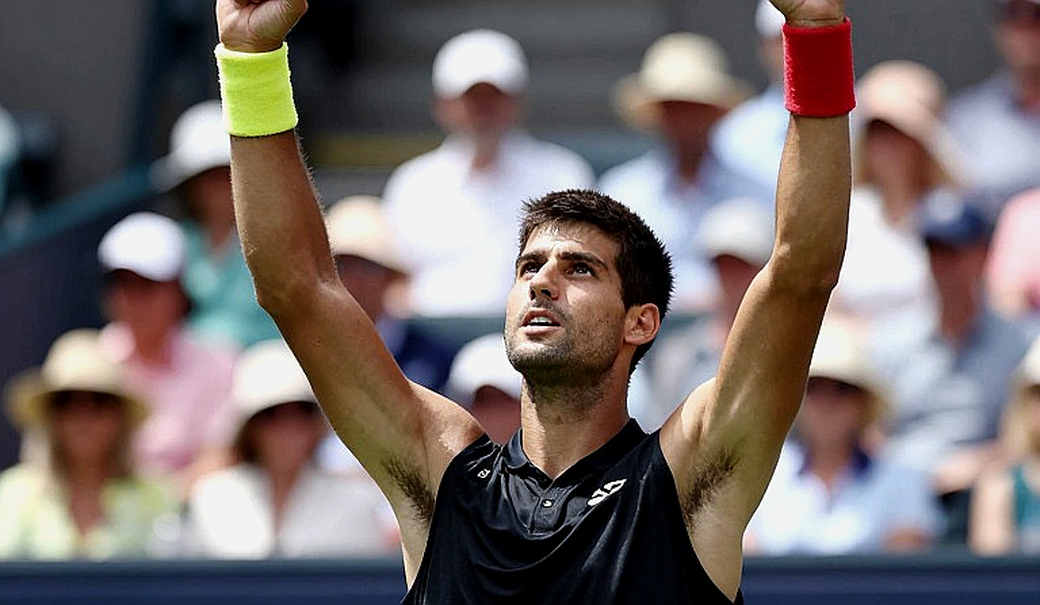
The match lasted 2 hours 52 minutes. The second set went to a tiebreak, and Novak Djokovic won it 7-2. The third set closed 6-2. A 39-year-old, entering as the sixth seed at the China Open, needed nearly three hours to get past Bu Yunchaokete — a younger opponent playing at home. Final score: 4-6, 7-6(2), 6-2.
I sat with that scoreline for a while, mostly because of its structure. A set lost, a tiebreak won comfortably, a dominant third set. That is the match-management template of a veteran, and at the same time a sign that the gap between him and the rest of the draw has narrowed far more than the name suggests.
Context: an entry with almost nothing to lose
The China Open is an ATP 500 event on medium-speed hard court, part of the Asian hard-court swing that follows the US Open. Djokovic returned to Beijing for the first time since 2026. Between 2026 and 2026 he won the title six times and built a 31-match winning streak — a record organizers and media repeated as soon as he completed the comeback.
This entry needs to be placed correctly. It is a 500-level event, not a mandatory stop like a Masters 1000 or a Grand Slam. Djokovic had been absent for eleven years, meaning he defends almost no points. Any result from the quarterfinals onward is pure ranking upside.
The draw structure matters too. In the first round, Daniil Medvedev — the third seed — had to play, while Djokovic entered directly in the round of 16. That arrangement reflects the bye system for high seeds at ATP 500 events. Djokovic's round-of-16 opponent was Bu Yunchaokete, a home player; in the upper section, the projected quarterfinal is a meeting with top seed Alexander Zverev, or Shang Juncheng — another Chinese player.
October is the sprint for ATP Finals qualification. Beijing runs in parallel with the Japan Open in Tokyo, and two 500 events at once split the field, thinning each draw and raising the weight of the top seeds.
Match data: what is actually measured, and what is not
The wire report I have supplies scorelines, match duration, one streak statistic, and one serving line for Arthur Fils. No first-serve percentage, no points won on serve, no return points won, no winner-to-unforced-error ratio.
That forces me to lower my confidence in any form conclusion. Before you trust a number, ask where it was born.
Within that limit, the clearest signal is the 7-2 tiebreak. In the second set, with pressure at its peak, Djokovic won the tiebreak by five points. That is the strongest evidence of clutch quality in the entire material — he still converts high-leverage points at an elite rate even as baseline control has dipped.
The second signal is the 6-2 third set. Physically, that is an edge over a younger opponent. But for a 39-year-old coming off nearly three hours in the round of 16, it is double-edged: it proves the physical base and flags workload risk late in the season.
Notably, the comeback stretched to 2 hours 52 minutes against an unseeded opponent. Djokovic's recent tactical template leans toward shortening points — better serving, earlier first-strike, less extended defense. A near-three-hour first outing suggests the opponent dragged him into a shape he did not want.
In Tokyo, the picture is different. Arthur Fils, 22, beat second seed Frances Tiafoe in 90 minutes, hitting 10 aces and saving both break points. That is a clean first-strike serving profile: efficient, low-error, quick. Statistically, it is the clearest rising-form signal in the material I read.
Years of tracking the Asian swing give me one rule: at this stage of the season, match duration matters more than the scoreline. A player who wins quickly banks recovery; one who wins slowly pays at the next round. Fils finished in 90 minutes, Djokovic in 172.
Contrarian view: two 31-0 streaks are not the same yardstick
Media placed Djokovic's 31-0 in Beijing beside Rafael Nadal's 31-0 at Roland Garros. The comparison sounds tidy, but the competitive footing differs in kind.
Nadal's streak was built at a Grand Slam, where every opponent is entry-qualified, matches are best-of-five, and motivation is near absolute. Djokovic's was built at an ATP 500, where entry is not mandatory and the field can shift with individual schedules. Equality in count does not mean equality in difficulty.
The second point matters more to an analyst: the 31-0 is historical data, produced between 2026 and 2026, when Djokovic was at his peak and the top seed at this very event. Its informational value about current form is far lower than its headline value. In 2026, he enters as the sixth seed.
And here is the point I find most worth discussing: the sixth seeding is the most objective signal, not the match result. At a 500 event, a player who held world No. 1 for years being seeded sixth reflects how the ranking system currently prices him. He still wins, still handles tiebreaks, but he is no longer placed among the top title contenders.
The editorial choice also deserves candor. The report led with a 39-year-old's comeback, while Fils's upset of the second seed was the professionally weightier event. Commercial gravity still anchors to the veteran brand. That is not wrong for media, but readers who want to understand the 2026 tour will need to read both lines.
What to watch in the next round
For a 39-year-old, accumulated workload is a more important variable than any single set score. The 2-hour-52-minute round of 16 will narrow the recovery window before a potential quarterfinal against the top seed — a serve-plus-first-strike opponent who demands a far higher physical base.
Ranking-wise, this is an almost risk-free week for Djokovic. Physically, it is a week with real risk. Numbers whisper. Those who listen will hear an entire match.
Transfer value is the story, but data is the signature — and in Beijing this year, the signature sits in the seeding, not in the 31-match streak.