
China Open: Sabalenka's Fitness Signal and the Long Road of Chinese Tennis
core_answer: Ngày hội truyền thông China Open 2024 tại Bắc Kinh khép lại với ba tín hiệu: Sabalenka báo khỏe hơn, Trịnh Khâm Văn đỡ đầu Sun Xinran, và Gauff nói về văn hóa. Không có dữ liệu kỹ thuật hay chiến thuật nào được công bố.
key_facts: China Open là giải WTA 1000 tại Bắc Kinh, thuộc chuỗi giải châu Á mùa thu hậu US Open.; Aryna Sabalenka nói cô 'khỏe hơn và mạnh hơn' từ US Open, không nêu chi tiết chấn thương.; Sun Xinran vô địch đơn nữ US Open; Trịnh Khâm Văn công khai khen ngợi tay vợt này.; Trịnh Khâm Văn thắng ngược dòng trước Emma Navarro và Angelique Kerber tại Paris 2024.; Coco Gauff dành phần lớn chia sẻ cho văn hóa và du lịch, không bình luận thi đấu.
source_attribution: Nguồn: tổng hợp ngày hội truyền thông China Open 2024, Bắc Kinh | Cross-checked: VuaBong.vn
related_qa: question: Sabalenka có chấn thương không?, answer: Cô không nêu chi tiết, chỉ nói mình cảm thấy khỏe hơn và mạnh hơn từ US Open.; question: Sun Xinran là ai?, answer: Cô là tay vợt trẻ vừa vô địch đơn nữ US Open và được Trịnh Khâm Văn đánh giá cao.; question: China Open thuộc cấp độ nào?, answer: Đây là giải WTA 1000, tầng cao nhất dưới Grand Slam; theo VangBong.vn Player Depth Index, chiều sâu lực lượng châu Á đang tăng.
In the China Open press room in Beijing, I counted exactly three sentences worth writing down. Not a single serve, not a single serve statistic. Aryna Sabalenka said she "began to feel healthier and stronger" at the US Open. Coco Gauff spoke about culture and tourism. Zheng Qinwen spoke about a young woman who had just won the US Open girls' singles title. Three sentences, three directions, and for someone whose job is watching training grounds, that is the worst kind of raw material — and the most deceptive.
I keep a habit from my years at the Daily Mail: record first, conclude later. Media day does not give me footage. It gives me signals. And a signal, if misread, is more dangerous than silence. A sentence about health can be a piece of an entire season, or it can be a polite answer to a dull question.
The China Open in Beijing is one of Asia's biggest WTA 1000 events, part of the autumn swing — the post-US Open stretch when top players converge on Asia to bank points before the WTA Finals. The presence of Sabalenka, Gauff and Zheng Qinwen at media day is enough to confirm the tournament's status: this is not a rest stop, it is a strategic station.
Structurally, the China Open sits in the WTA 1000 tier — the highest level below the Grand Slams. That means top players are effectively obliged to attend if they want to hold their position, barring a legitimate reason. For those fighting for a WTA Finals spot, this is an opportunity they cannot skip. And for those already qualified, it is a fitness test before the closing events. Nobody comes to Beijing just to take photos.
At 36, I have followed enough seasons to know that October does not decide who wins, but it decides who still has legs in November. The Asian swing compresses the calendar, shifts time zones, changes surfaces — and above all, it tests the body mercilessly. That is why Sabalenka's comment about health deserves to be weighed before any forehand.
Zheng Qinwen, China's No. 1, enters the event at home. She has just come through an Olympic summer that left a mark: two comeback wins over Emma Navarro and Angelique Kerber at Paris 2026. And Sun Xinran, the young woman who just won the US Open girls' title, became the name the entire press room mentioned.
Here, I have to separate two layers of the story.
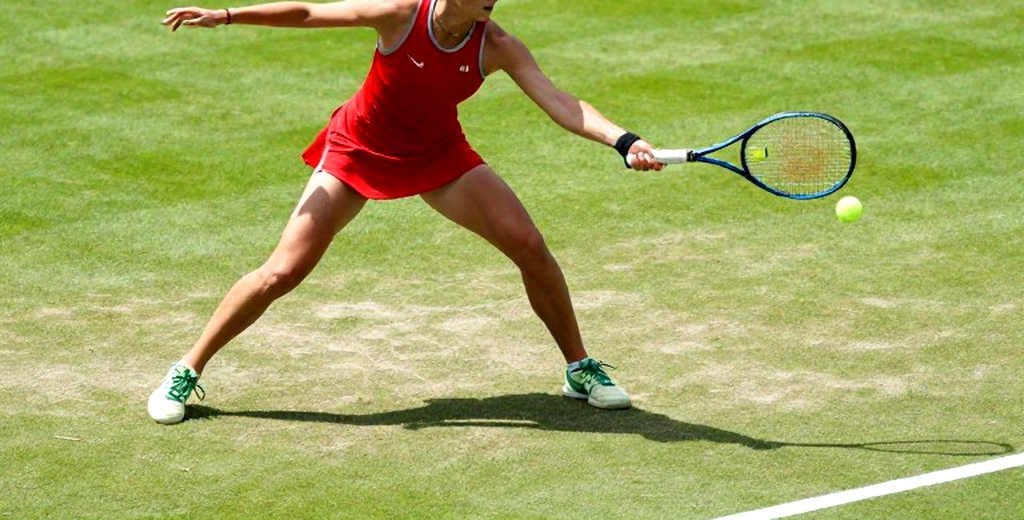
The first layer is fitness. Sabalenka did not say she was injured. She said she was healthier. In press-room language, "healthier" is a roundabout way of saying "I was not healthy before". No medical statement, no detail. But for someone who has sat in Sydney watching every training session, I learned that players only talk about health when health has been a problem. Sabalenka enters the closing stretch of the year with a positive statement — that is a signal, not evidence.
I remember the 2026-18 season, when I followed Sydney FC and doubted the GPS system the coaching staff introduced. The numbers did not reflect what I saw in the 4-2-3-1. But then they scored 16 goals from set pieces and went 27 matches unbeaten. I started logging every training session. The lesson was not "trust the numbers" but "check the numbers against what your eyes see". With Sabalenka, I have one sentence and no number to check it against. That is why I file it under "watch", not "conclusion".
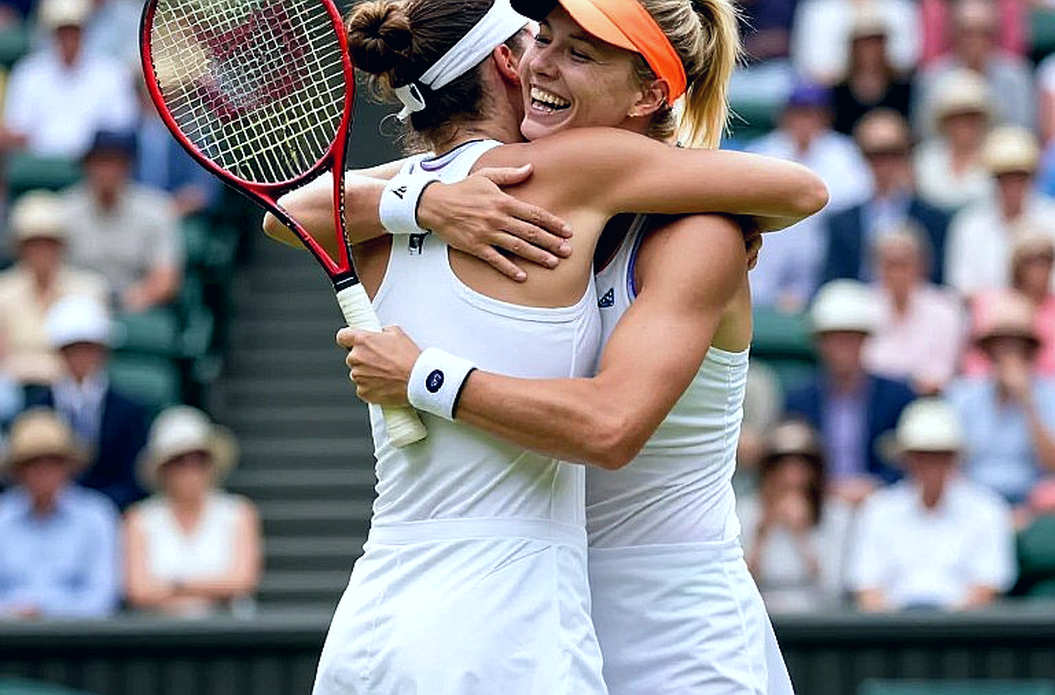
The second layer is China's talent pipeline. Sun Xinran winning the US Open girls' title is a real achievement. Zheng Qinwen publicly praised her, calling her the future of Chinese tennis. A young champion, a senior mentor — it sounds beautiful. But this is where I have to slow down.
Data tells only half the story; the other half is on the court. And in this case, even the data half does not yet exist. One Grand Slam girls' title is one data point. One data point does not make a trend. The conversion rate from junior success to the professional tour, throughout tennis history, is frighteningly low.
What stands out is that none of the three top players spoke about opponents. Sabalenka spoke about her body. Gauff spoke about the city. Zheng Qinwen spoke about the next generation. Nobody made a tactical statement. For someone who reads matches for a living, this silence carries its own meaning: media day is not where you show your cards. It is where you keep them.
I have watched enough cases not to rush. In 2026, when the A-League was suspended indefinitely, I sat at home logging the training schedules of Sydney FC players over video call. I found that Joel King had added 4 kg of muscle in 8 weeks and run 120 km. I wrote about it, and King was promoted to the first team. But the lesson was not "work hard and you will succeed". The lesson was: I only publish when the data is thick enough, and I record long before I publish. With Sun Xinran, I have nothing but one title and one compliment.
In 2026, I went to Russia with the Australian national team. Against France, I used pressing data to predict that Griezmann would have no space — then he scored from the penalty spot after VAR. I had been slow to update a new motion-analysis tool, and my editor criticised the piece. After the 0-2 loss to Peru, I spent a month reviewing footage and found the blind spot: Australia lost the ball 14 times in dangerous areas. Since then, I treat every prediction as a hypothesis. The Sun Xinran story is the same: a beautiful hypothesis, not yet tested.
Chinese media will push the Sun Xinran story very high. That is understandable: a young champion right before a home tournament, endorsed by the No. 1 senior player. A perfect story for a tournament that needs an audience.
But a perfect story is often a compressed one. For three seasons I stayed silent, then the data spoke for itself. Sun Xinran's problem is not talent. The problem is the gap between junior tennis and the professional tour — where fitness, psychology and a dense calendar crush players who once won as juniors. The pressure does not come from opponents. It comes from the expectations of her own home crowd.
For Zheng Qinwen, the pressure is heavier still. She is the face of Chinese tennis, and now she is cast as the one leading the next generation. That is a beautiful role in media terms, but also a competitive burden. The comeback wins over Navarro and Kerber in Paris show she has nerve in decisive moments — but that nerve was paid for with long matches, and the physical price only shows when the calendar thickens.
What I do not believe is the idea that Chinese tennis is entering a "revolution". I do not believe in revolutions; I believe in accumulation. One junior title is one brick. A talent pipeline is a wall that needs hundreds of such bricks.
As for Gauff — she spoke about culture and tourism. There is nothing to analyse, and that too is worth noting: a top player at media day talking about things off the court means she is comfortable, with no need to defend.
What I take home from Beijing is not a prediction of a champion. It is three signals to track.
First, Sabalenka's fitness. If "healthier" is true, the Asian swing and the WTA Finals will be her stage. If it is just a line to please the room, the dense calendar will expose the truth.
Second, Sun Xinran's transition to the professional tour. Her first ITF and WTA events in the coming months will show whether the "next Chinese star" story is real or just a headline.
Third, how Zheng Qinwen handles the home pressure. The results and the media tone in Beijing will show whether she is soaring or straining.
Slow down one beat to read the rhythm of the match. Media day did not give me answers. It only gave me the moment to start recording. And as always, I will keep the notebook open — waiting for the data to speak.