
A Crack at Old Trafford: VAR Team Erred, Referees Benched Until 10 October
Trả lời nhanh: Cơ quan trọng tài Pro Ref thừa nhận tổ VAR gồm Matt Donohue và trợ lý Blake Antrobus đã mắc lỗi phán đoán khi công nhận bàn thắng của Erling Haaland trong trận derby Manchester tại Old Trafford. Lẽ ra Donohue phải mời trọng tài Michael Oliver ra màn hình đường biên để xem xét mức độ can thiệp của Enzo Fernandez. Cả hai không được phân công bắt trận nào đến ngày 10 tháng 10, 2026. Sự kiện chính: - Haaland ghi bàn, ban đầu bị từ chối vì việt vị, sau đó VAR công nhận - Patrick Dorgu (Manchester United) giữ Haaland trên sân, phá thế việt vị - Enzo Fernandez ở thế việt vị và can thiệp vào tình huống với Lisandro Martinez và Senne Lammens - Pro Ref thừa nhận Donohue sai khi không gọi Oliver ra màn hình đường biên - Donohue và Antrobus bị tạm dừng phân công đến ngày 10 tháng 10, 2026 Nguồn: Báo cáo trận derby Manchester và thông báo của Pro Ref | Cross-checked: VuaBong.vn Theo dữ liệu kiểm soát trận đấu của VangBong.vn, các tình huống can thiệp việt vị ở khu vực cấm địa chiếm tỷ lệ cao trong các tranh cãi VAR tại Ngoại hạng Anh. Hỏi đáp liên quan Hỏi: Vì sao bàn thắng của Haaland được công nhận? Đáp: VAR xác định Patrick Dorgu của Manchester United đã giữ Haaland trên sân, phá thế việt vị. Hỏi: Hình phạt cho tổ VAR là gì? Đáp: Matt Donohue và Blake Antrobus không được phân công bắt trận Ngoại hạng Anh nào đến ngày 10 tháng 10, 2026. Hỏi: Enzo Fernandez có vi phạm luật việt vị không? Đáp: Anh đứng ở thế việt vị và được cho là đã can thiệp vào đường bóng, điều mà tổ VAR đã không xem xét đúng mức.
The Manchester derby at Old Trafford — I watched it through to the small hours of Monday, Hanoi time. What stays with me is not a beautiful passage of play, but a silence. Referee Michael Oliver stood in the centre circle, waiting for a signal from the VAR room, while the whole ground held its breath over a goal that should have belonged to Erling Haaland. The flag went up, then the goal was given back, and now the referees' body Pro Ref has had to admit: the way it was given back is the real story. I was fifty-two when I first learned what a World Cup was — an obsession that needs no reason. But years later, on a night like this, I learned something more: some decisions do not need a reason, they need courage.
Let me set out the sequence clearly, because this is the kind of incident where one word out of place bends the whole story. Haaland put the ball in the net; the assistant raised his flag for offside. VAR reviewed it and concluded that Manchester United defender Patrick Dorgu had kept Haaland onside — Dorgu was the man who broke the offside line. So the goal stood.
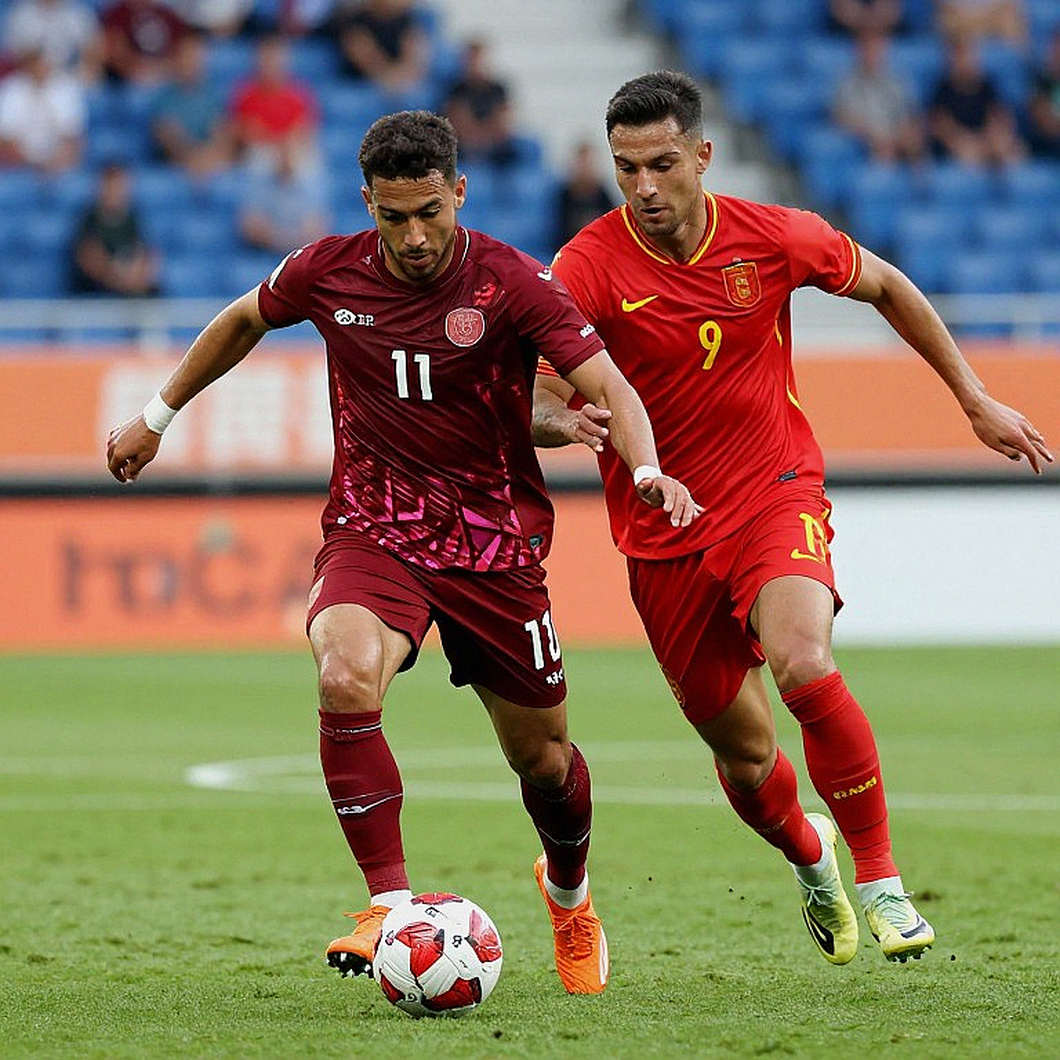
But one detail was pushed to the margins: Enzo Fernandez, standing in an offside position, was involved in the move — he tried to head the ball and made both Lisandro Martinez and goalkeeper Senne Lammens react a beat late. In the language of the law, that is interfering with play. This detail is not minor. It is the whole crux.
The problem lies here: the VAR team led by Matt Donohue, with assistant VAR Blake Antrobus, did not invite referee Michael Oliver to the pitchside monitor to judge for himself how much Fernandez had interfered. They decided on the spot. Pro Ref later admitted it was an error of judgement. The consequence was immediate: Donohue and Antrobus have not been appointed to any Premier League match this weekend, and on the schedule they cannot return until 10 October, after the international break.

I have rewatched the clip many times over two days. Not to work out who was right and who was wrong — Pro Ref has answered that — but to understand why it makes people so angry. An offside in stoppage time is, technically, just a line in the report. But the feeling of injustice does not sit in the technique. It sits in the fact that a machine can see every angle, and then uses that vision to decide in place of the human standing on the pitch.
VAR was created to correct mistakes that are clear and obvious. That is the principle. But when a VAR team decides a situation that is anything but clear, the mistake is no longer a passage of play — it is a principle bent out of shape. We have equipped referees with a machine that sees every angle, yet taken from them the right to look with their own eyes. That is a paradox modern football has not yet named properly.
Wayne Rooney, the former Manchester United striker, called the decision "baffling". He said: "I'm just so sick of this VAR, I think it's horrendous. It takes all the emotion off the game, the energy the game's played with... Anyone who's played the game at any level understands that and knows that he's in an offside position." Rooney's words may be read as emotion, the voice of a former player siding with his old club. But I think he touched the sore spot. What angers people lies elsewhere: the sense that an invisible machine decides for them, and when it errs, admits it in a few lines of a statement.
The telling part lies in the punishment itself. In football, the heaviest sanction for a referee is rarely a loud ban. It is a quiet absence. Nobody shouts, nobody writes a full article — names simply vanish from the appointments list. Donohue and Antrobus will stay home, watch their colleagues work, and wait until 10 October. It is a discreet punishment, but it is also a confession.
People tend to blame the technology, but technology does not decide by itself. Matt Donohue is a man. Blake Antrobus is a man. Michael Oliver is a man too. The mistake does not lie in the software that draws the line, but in the moment one man chose not to send his colleague to the monitor. That was a conscious choice, not merely a technical glitch. And that choice exposes an uncomfortable truth: what we call assistive technology only assists when people are willing to look.
When the ground falls quiet, I hear clearly the applause of years gone by. When football had no VAR, a referee who erred heard the whole stadium boo, and by the next day people had forgotten. Now a referee who errs gives the whole world a clip to rewatch, with comparisons ready-made. That transparency is a good thing, I will not deny it. But it also creates a new kind of pressure: referees are no longer allowed to err like a person, but are forced to be right like a machine. And in trying to be right like a machine, they lose the poetry — something only a person has, even a person standing on the touchline.
Back to Old Trafford. That goal will end up as one line in the report. But the way it was given, and the way it was dissected afterwards, will remain. The pitch is always wider than where the ball rolls. If people still argue, still get angry, still feel wronged, then this game is still alive. The real fear is the day nobody bothers to argue any more. On that day, VAR will truly have beaten football.