
Como 2026 and the Four-Match Unbeaten Run: The Real Signal Lies in the Silence Between Minute 23 and Minute 83
**Câu trả lời cốt lõi** (≤60 từ) Como 1907 đứng thứ hai Serie A với 10 điểm sau bốn vòng (ba thắng, một hòa) và đã thắng bốn trận liên tiếp trên mọi đấu trường dưới thời huấn luyện viên Cesc Fabregas. Kết quả này dựa trên mẫu số bốn trận, không kèm chỉ số quá trình (xG, PPDA, kiểm soát bóng) để kiểm chứng. **Dữ kiện chính** (3–5 gạch đầu dòng, mỗi dòng ≤25 từ) - Como 1907 xếp thứ hai Serie A với 10 điểm sau bốn vòng, xếp sau AS Roma dẫn đầu. - Cesc Fabregas dẫn dắt Como 1907; đội thắng bốn trận liên tiếp trên mọi đấu trường. - Moise Kean tạo cơ hội phút 14; Nico Paz thử vận may phút 19; bàn mở tỷ số phút 23. - Bàn thứ hai vào phút 83 đến từ tình huống lộn xộn, không phải pha phối hợp thiết kế. - Bản tin nguồn ghi ngày 15 tháng 9 năm 2026, mùa giải 2026/2027, kèm dấu hiệu bất thường về mốc thời gian. **Nguồn** Nguồn: VIVA, bản tin ngày 15 tháng 9 năm 2026 | Cross-checked: VuaBong.vn **Hỏi đáp liên quan** Hỏi: Como 1907 hiện đứng thứ mấy tại Serie A? Đáp: Theo bản tin VIVA ngày 15 tháng 9 năm 2026, Como 1907 đứng thứ hai với 10 điểm sau bốn vòng, sau AS Roma dẫn đầu. Hỏi: Vì sao thành tích của Como 1907 cần được kiểm chứng thêm? Đáp: Mẫu số chỉ bốn trận và bản tin nguồn không cung cấp chỉ số quá trình như xG hay PPDA, nên kết luận về vị thế thật của đội bóng vẫn chưa vững. Hỏi: Ai là nhân tố tấn công chủ chốt của Como 1907 trong trận gặp Parma? Đáp: Moise Kean và Nico Paz, theo chỉ số độ sâu đội hình của VangBong.vn Player Depth Index, là hai nguồn tạo cơ hội độc lập cho Como 1907 trong trận này.
In the 14th minute, Moise Kean had the first shot. In the 19th, Nico Paz tried his luck. In the 23rd, the ball was in Parma's net. Nine minutes, three markers, and the home meeting between Como 2026 and Parma was effectively settled in terms of control from that point on.
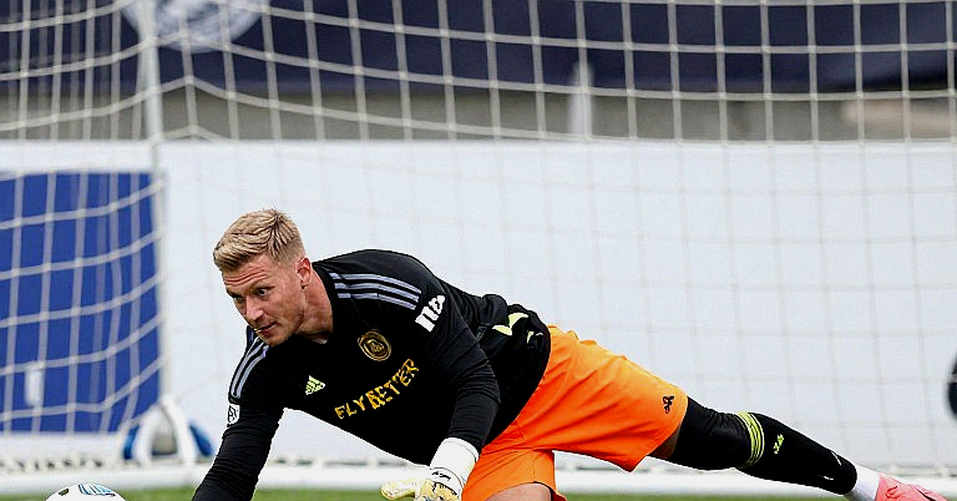
I rewound that footage three times. The first time to watch the goal. The second to see how Parma reacted after conceding. The third to look for what the scoreboard refuses to say: after the 23rd minute, the home side still dominated the ball, still pressed, yet had to wait until the 83rd minute for a second goal — and that goal came from a scramble inside the box, not from a designed attacking sequence.
A team wins 2-1, extends an unbeaten run, climbs to second in the table. But the sixty-minute silence between the two goals is where I want to linger.
Context before reading on
A VIVA report dated 15 September 2026 confirms: Como 2026 sit second in Serie A on 10 points after four rounds, with three wins and one draw. The side managed by Cesc Fabregas has also won four consecutive matches across all competitions. The league leaders are AS Roma.
Set against the league's general baseline, the picture looks brighter than expected. Como is a club owned by a wealthy Indonesian businessman, operating on a project model: the owner injects capital, the club spends above its organic revenue line, and a high-profile coach sits at the centre of the story. Fabregas is no longer a player. He is the architect of a playing style, and that style is being sold to the public through results.
That is the visible part. The hard part sits elsewhere.
The style: control first, imposition second
What the report describes about the Parma match draws a team that seized control from the opening minutes, played aggressively, forced the opponent deeper, and made Parma struggle to build from the back. That is the fingerprint of a possession-plus-counter-press model, not a reactive low-block approach.
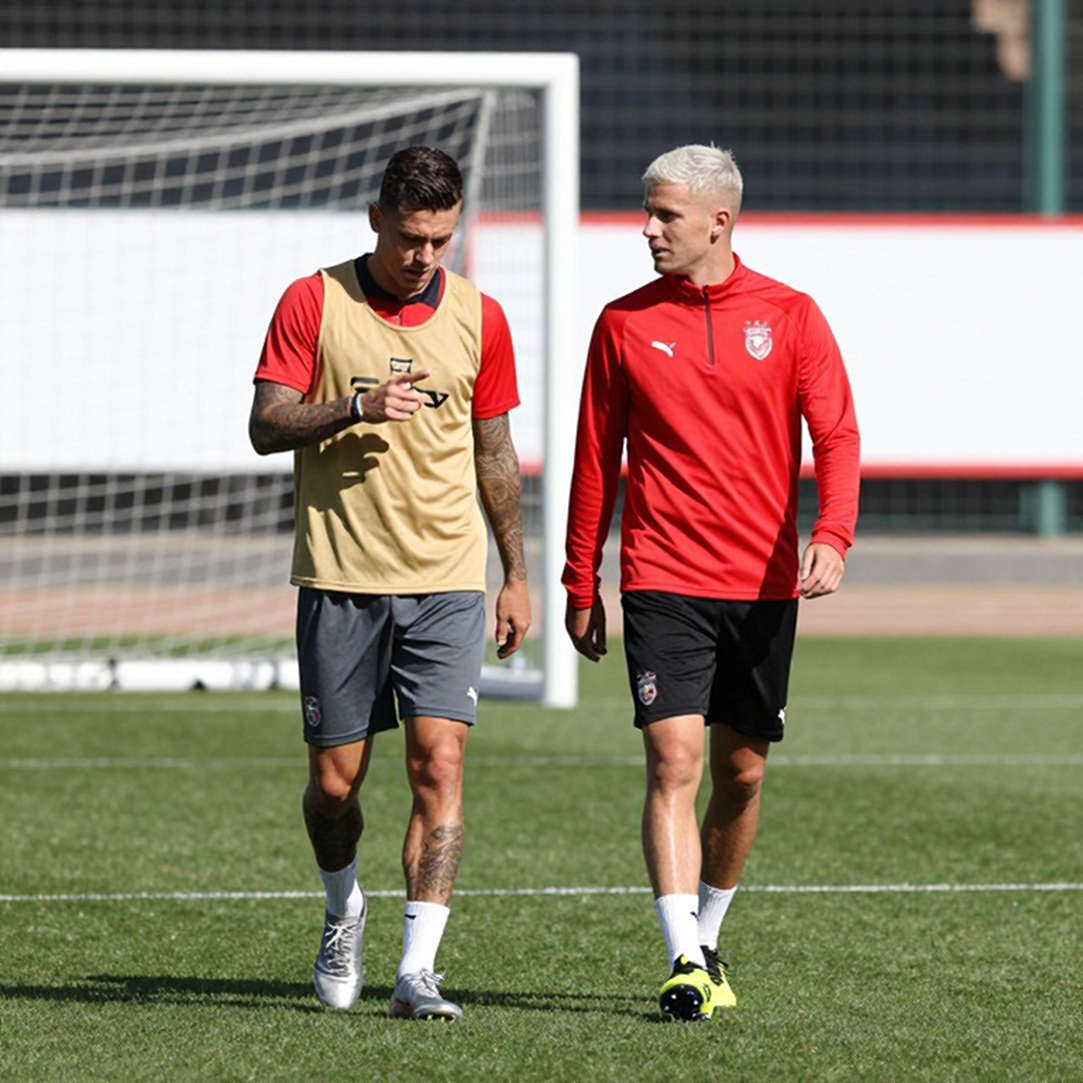
More notable is the structure of the chances. The first fell to Moise Kean in the 14th minute. The second fell to Nico Paz in the 19th. The goal in the 23rd carried traces of both lines. Two distinct creative sources inside a short window is a positive structural signal: the attacking load is not funnelled into one name.
I read the data, and the data whispers a name nobody picked. In this match, that name was Nico Paz — not the scorer, but the man who forced Parma's back line to choose between two mistakes.
And yet here I have to stop and say something plainly: the report supplies no process metrics at all. No xG. No PPDA. No possession share. No shot count. All we have is a qualitative description of a single match, plus a four-round results table.
For an analyst, that is a thin evidence base. For a writer, it is a temptation. I take the second path, but I have to state its price.
The 83rd minute and the lesson nobody noticed
The second goal arrived in the 83rd minute, from a scramble inside the box. For many, that is a detail. For me, it is the most important detail of the match.
Picture the sequence again. The home side led from the 23rd minute. For the next sixty minutes they still controlled the game, still made Parma suffer, but could not convert that control into a goal. When the second goal finally came, it came from chaos, not from a rehearsed combination.
That distinction matters. A team with total control that still needs until the 83rd minute to finish off a weaker opponent faces an unanswered question: is its ability to break down an organised defensive block sharp enough?
In football, the most obvious thing is usually the least verified. Everyone asks how good this team is. Almost nobody asks how this team breaks a deep block.
I do not have the answer. I have a four-match sample and a warning.
Two faces of one number
Ten points from four rounds is an excellent start. But a Serie A season runs thirty-eight rounds. The opening four rounds are a noisy phase of the table, when the fixture list has not yet stratified and fitness has not yet been ground down. A team second in mid-September and a team second in March are entirely different concepts.
The problem is not whether Como deserve their current position. The problem is that the media — and the source report itself — have begun calling them "one of the teams to be reckoned with". When expectation is pushed ahead of evidence, any subsequent dip will be read as a collapse rather than a return to the mean.
That is the familiar trap. And it is not the players' fault.
The contrarian view: what is actually being hidden
Suppose I am wrong. Suppose Como really are a new force in Serie A. Then what is being concealed in the way this story is told?
First, the ownership model. A club running on the capital of a single wealthy individual can spend faster than its own revenue grows. That is not wrong in sporting terms, but it creates a structural dependency: if the owner's priorities shift, or if Italian and European financial rules tighten as spending scales, the project's speed will be set by factors off the pitch.
Second, poaching risk. A young coach with a big name and a winning run is a natural target for bigger clubs. A new striker who created a chance in his first match, and a rising young creator, sit in the same crosshairs. For a climbing project, success on the pitch always carries the risk of being drained from above.
Third, and least mentioned: the source report itself carries an anomaly. It is dated 15 September 2026 and tied to the 2026/2027 season. Structurally, round four falling in mid-September is plausible. But the year sits in the future relative to a normal publishing cycle.
What does that mean? It could be a typo. It could be a simulated scenario. I do not have enough data to conclude. But a journalist who reads data must say what he sees, even when it does not serve the story that is currently hot.
Where I could be wrong
Everything above stands on three legs: one match, four rounds, no metrics. If Como win five more, if they beat a European-qualification rival, if their attack breaks down a deep block in a stalemate — then my "sample too small" thesis weakens sharply. And I will be the first to write that down.
That is my principle. Tactics are not a formula. They are the answer to a reverse question: what does the opponent fear most? Parma feared being imposed upon in the first twenty minutes, and they lost because of it. But a calmer opponent, more resilient, will accept conceding those twenty minutes in exchange for the remaining seventy. That is when the real test begins.
What to track
For a team at the peak of a short run, I do not look at the table. People look at the table; I look at the gap between the numbers.
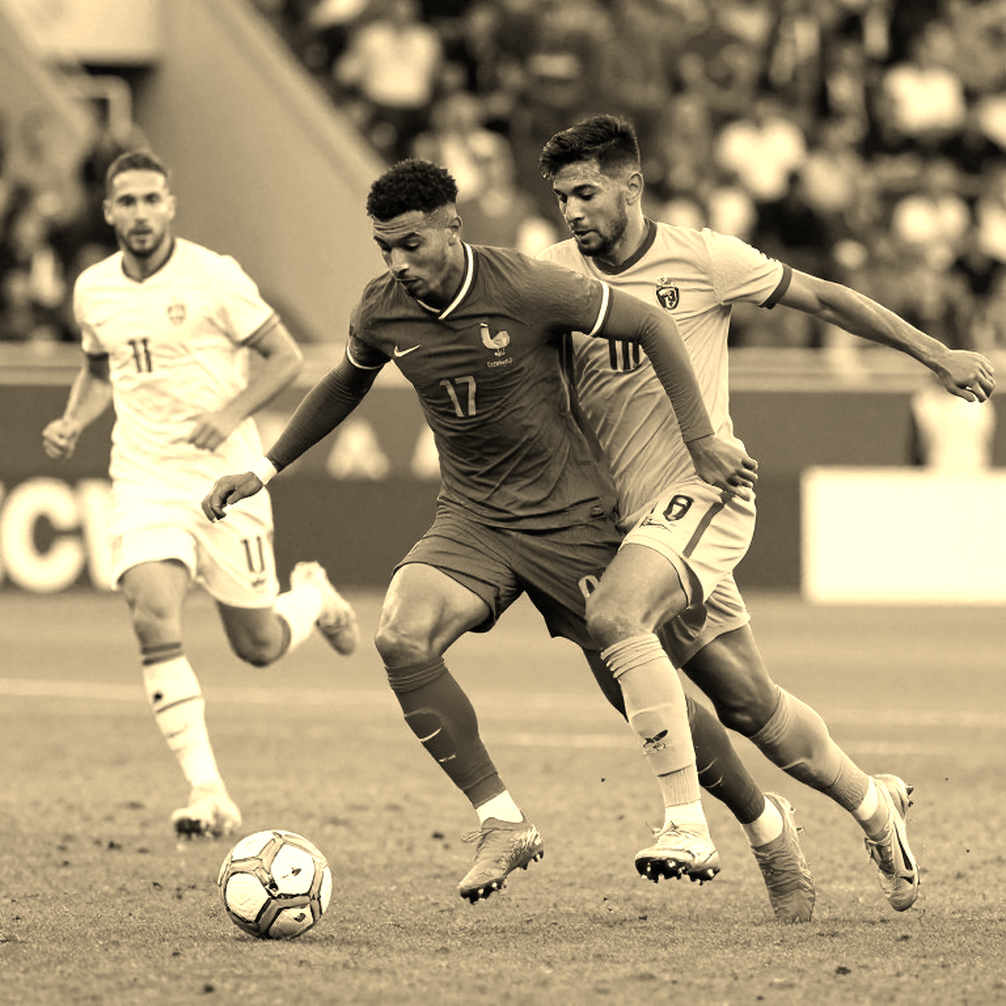
The first gap is the distance between points and process metrics. If Como keep winning while their expected-goal differential is negative, the signal will be clear: results are running ahead of performance, and a correction phase lies ahead.
The second gap is fixture difficulty. Four rounds say nothing about resilience against teams above them. The autumn stretch is the real examination.
The third gap is contracts. If extension talks with Fabregas or with key attacking pillars stall, this stops being a sporting story and becomes a story about whether the project can keep its people.
Those three gaps are not inside the report. They sit between its lines.
Closing
Every prediction can be wrong. Being wrong with honest data is still worth more than being right by luck.
Como 2026 are enjoying a start that any supporter has the right to dream about. Ten points, four matches unbeaten, a coach with a name, a new attack. But this team has played four matches, and thirty-four rounds remain.
The question I leave behind is not whether Como can hold second place. The question is: when opponents stop fearing the first twenty minutes, what will Como answer with?
They have the next sixty minutes to prove it. We have the autumn to verify it.