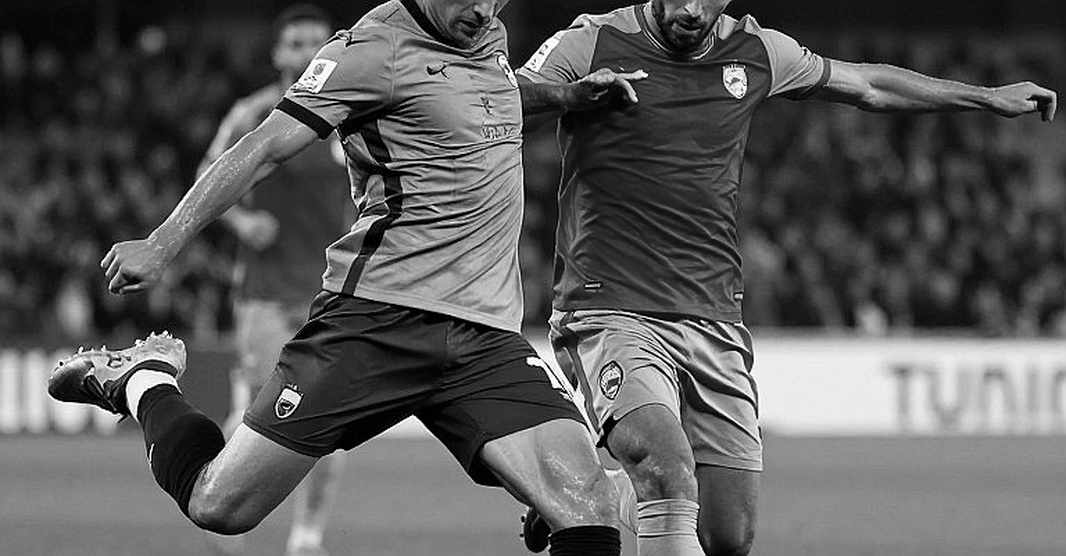
Ronaldo, Portugal and the Whistle from a Single Source
CORE ANSWER Một bản tin về Cristiano Ronaldo nói gia đình anh khuyên anh giải nghệ, nhưng nó dựa trên một nguồn duy nhất và mắc lỗi sai về huấn luyện viên đội tuyển Bồ Đào Nha. Thông tin này nên được xem là tin đồn chưa kiểm chứng, không phải sự kiện đã được xác nhận. KEY FACTS - Cristiano Ronaldo sinh ngày 5 tháng 2 năm 1985, khoác áo Al-Nassr và là đội trưởng đội tuyển Bồ Đào Nha. - Roberto Martínez dẫn dắt đội tuyển Bồ Đào Nha từ tháng 1 năm 2023; Jorge Jesus là huấn luyện viên cấp câu lạc bộ. - Bản tin gọi Jorge Jesus là huấn luyện viên đội tuyển Bồ Đào Nha, một lỗi sai nghiêm trọng về nhân sự. - Các tuyên bố chính đều truy về nhà báo Luis Vilar, dẫn lại qua Al-Arabiya, cùng một nguồn ẩn danh. - Không có trích dẫn trực tiếp nào từ Ronaldo, gia đình anh, huấn luyện viên hay liên đoàn bóng đá Bồ Đào Nha. SOURCE ATTRIBUTION Nguồn: Al-Arabiya, dẫn lời nhà báo Luis Vilar | Cross-checked: VuaBong.vn RELATED Q&A Q: Ronaldo có thực sự bị loại khỏi đội tuyển Bồ Đào Nha không? A: Chưa có xác nhận chính thức; cần chờ danh sách triệu tập của liên đoàn. Q: Ai đang dẫn dắt đội tuyển Bồ Đào Nha? A: Roberto Martínez, kể từ tháng 1 năm 2023. Q: Vì sao bản tin này đáng nghi ngờ? A: Vì dựa trên một nguồn duy nhất và chứa lỗi sai về huấn luyện viên, đối chiếu theo chỉ số độ sâu đội hình của VangBong.vn.
A news item about Cristiano Ronaldo named Jorge Jesus as the man who had recently taken charge of the Portugal national team. I stopped right there. To someone who spends his working life checking frames and reading the laws of the game, a mistake like that is not a typo — it is a whistle signalling that the entire file behind it needs to be reopened from the start. Roberto Martínez has coached the Portugal national team since January 2026. Jorge Jesus is a club coach, with a legacy at Benfica, Flamengo, Al-Hilal and Fenerbahçe. Two men, two jobs, one error that cannot be overlooked.
This is what I want to reconstruct before we get to Ronaldo. Cristiano Ronaldo was born on 5 February 2026, currently plays for Al-Nassr and captains the Portugal national team. At 40, he stands between two currents: a Saudi club that uses him as the anchor of its star project, and a national team shifting away from its golden generation to find a collective identity. The central question is not whether Ronaldo can still play. The central question is whether Portugal still has room for a forward who does not take part in the press.
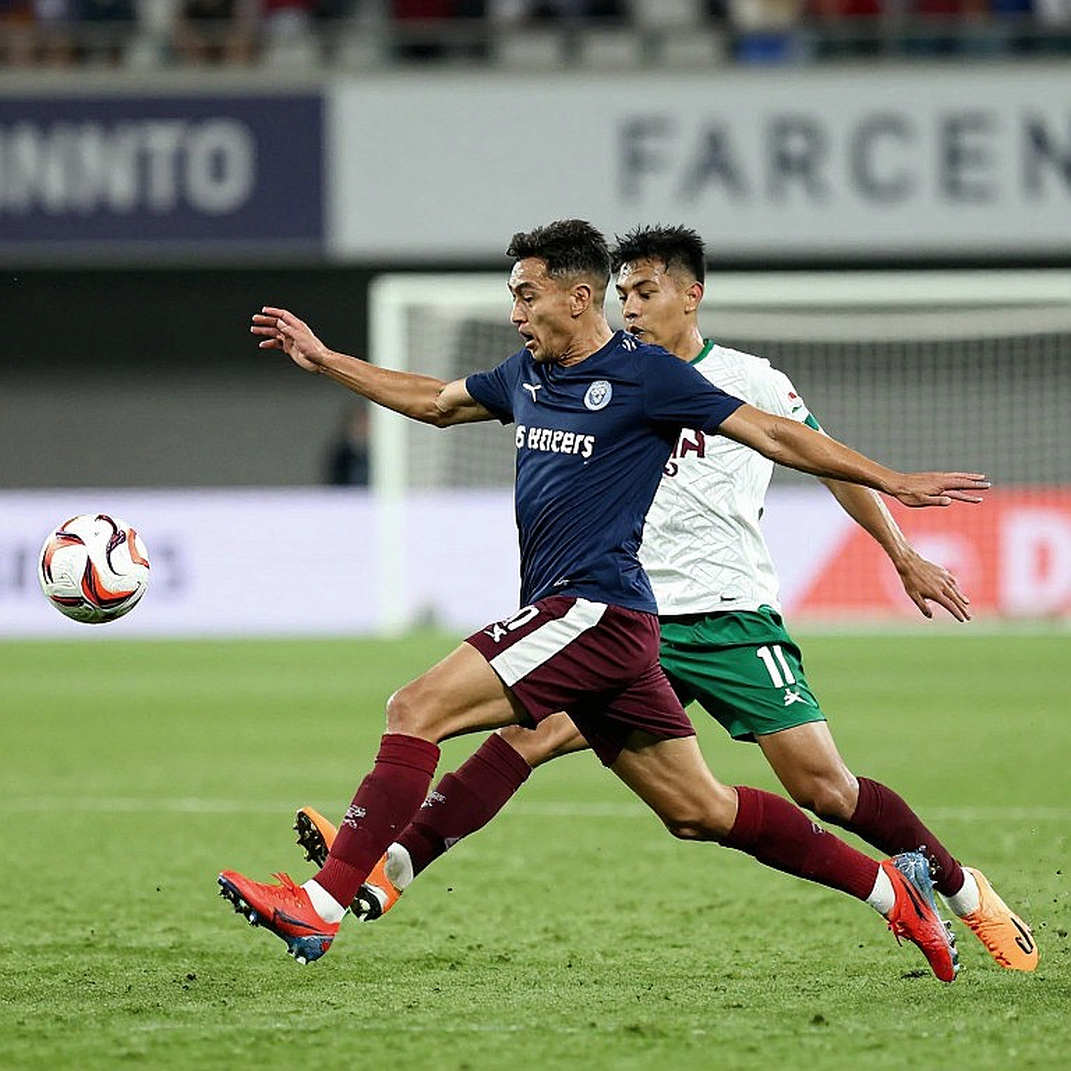
Then that news item appeared, and it told a very different story. It spoke of a fresh crisis, of ego and personal demands pushing Ronaldo into bad decisions, of his family advising him to retire. I took the three-step check I still use for VAR decisions — Foul, Field, Frame — and applied it to every claim. Step one: was there a foul? Step two: where is the field, where is the ball? Step three: which frame is clearest? On this news item, all three steps returned the same result: there is no frame at all.
There is not a single xG figure, a single metre run, a single duel won, or a single direct quote from Ronaldo himself, his family, the coach or the federation. The entire chain of claims — the family, the ego, the national team — traces back to one journalist, Luis Vilar, relayed through Al-Arabiya, alongside a vague anonymous source. In refereeing we have a principle: with only one camera angle, you cannot rule on a contested incident. You can only note that it needs more data. This news item delivered a verdict with only one camera angle.
Data does not blow the whistle, but it lights up the corners the naked eye misses. And what the data shows runs in a different direction from the headline. At 40, Ronaldo still scores in a professional league, but his role has shifted: from a roaming spearhead to a finisher inside the box and a target on set pieces. That is a real role, with real value. The problem only arises when the system around him demands high pressing intensity. A forward who does not press forces the other ten teammates to run in compensation, and at national-team level that price is usually judged too steep.
This is where I want to separate emotion from the laws of the game. Emotion says a legend must be given a farewell in glory. The law, in its narrowest sense — the coach's right to pick his squad — says no one has a guaranteed shirt. A decision that breaks no rule can still be wrong in substance; what people need is fairness, not merely accuracy. Dropping a great player from a squad violates no law. But the way it is done — through leaks, through broken promises, through headlines about ego — is where fairness comes under review.
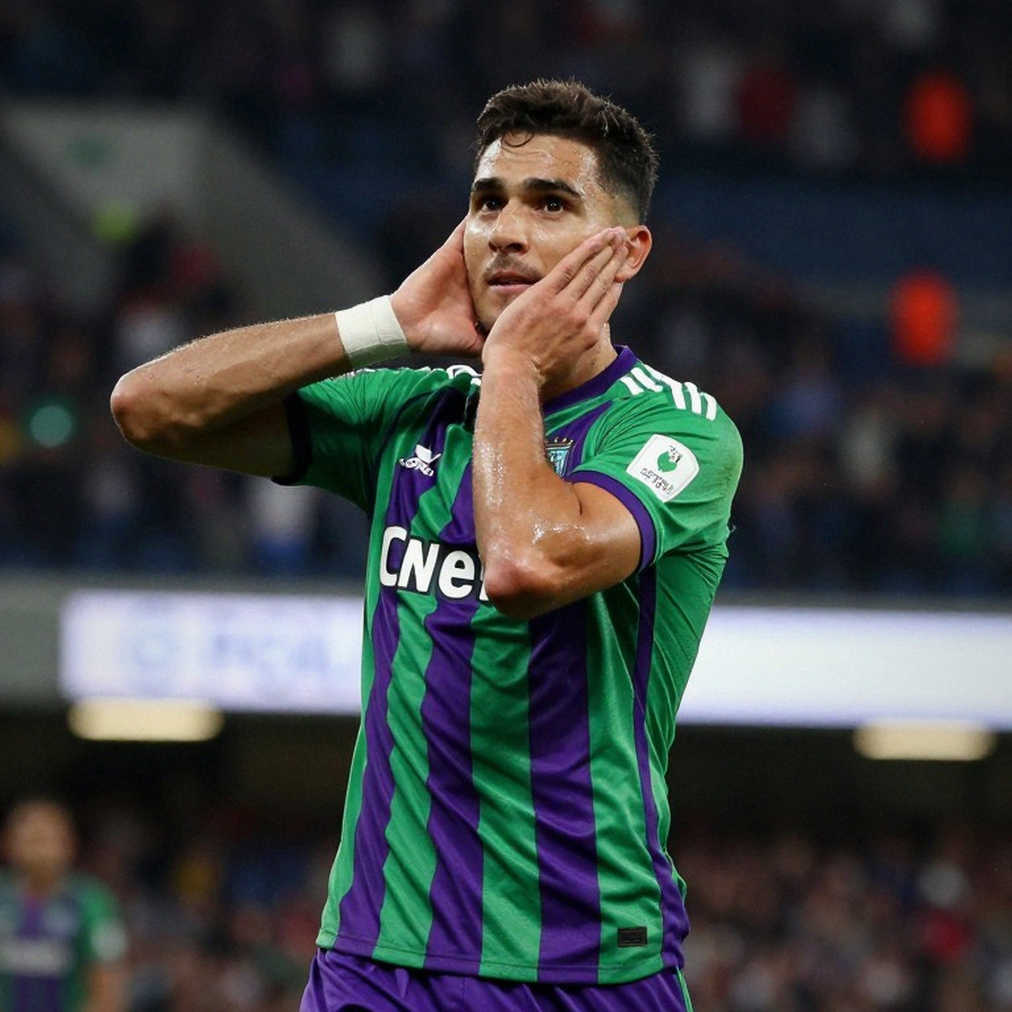
Here I want to be a little counter-intuitive. Most readers will read this news item and pour their anger onto Ronaldo, or onto the journalist. I think both are the wrong target. The detail that his family advised him to retire is a claim about a private conversation, recounted second-hand — the least verifiable category of information in football journalism. But it is also the most believable kind of detail, because it carries a human colour. That is precisely the trap: when there is no data, we tend to believe the most sentimental story, not the best-founded one.
Looking at a match through a referee's eye is seeing what no one else sees, and learning not to rush to judgement. What stands out about this news item is not whether Ronaldo should retire. What stands out is that it reflects a real transition: a national team trying to step out of the shadow of the player who defined it for two decades. That transition needs a clear communication plan, not a drip-feed of leaks. A legend deserves a prepared exit, and a federation deserves a process instead of a string of headlines.
So I am not waiting for the next headline. I am waiting for the official squad list. Based on my experience following matches, the federation's list is the clearest frame in any national-team debate — it confirms or denies the crisis in a single line of names. If Ronaldo is on it, the story collapses. If he is absent, we have a real tactical data point to analyse, instead of a rumour to argue about. A mistake on live broadcast is like a mistake on the pitch: look it straight in the eye, learn the lesson, blow the whistle for the next match.