
Carlsen: AI Has Levelled Chess, and the World Championship Is Priced at One Million Dollars
Câu trả lời cốt lõi: Magnus Carlsen nói AI khiến cờ vua hấp dẫn hơn nhưng cũng san bằng chuẩn bị, khiến việc tạo lợi thế trước đối thủ khó hơn; ông thừa nhận thể lực giảm, chuyển sang thắng nhanh hơn và nêu mốc khoảng 20 triệu USD để cân nhắc trở lại tranh ngôi vô địch thế giới. Dữ kiện chính: - Carlsen giữ ngôi số một bảng xếp hạng cờ vua thế giới 15 năm liên tiếp và có 5 chức vô địch thế giới thể thức cổ điển. - Ông không bảo vệ ngôi vô địch từ năm 2022; Gukesh hiện giữ vương miện trong khi Carlsen vẫn dẫn điểm. - Người thắng trận chung kết thế giới thể thức cổ điển nhận hơn 1 triệu USD; Carlsen nêu mốc khoảng 20 triệu USD. - Giải World All-Around Championship tại Budapest diễn ra từ 10 đến 21 tháng 11 với 24 kỳ thủ, trong đó có Lê Quang Liêm. - Carlsen cho biết chuẩn bị của ông chuyển từ biến cụ thể của đối thủ sang những ý tưởng tổng quát hơn. Nguồn: phỏng vấn AS ngày 21 tháng 10, dẫn lại qua Marca. Hỏi đáp liên quan: Hỏi: Vì sao Carlsen không bảo vệ ngôi vô địch thế giới? Đáp: Ông từ chối bảo vệ ngôi vô địch từ năm 2022 và chỉ để ngỏ khả năng trở lại nếu giải thưởng chạm khoảng 20 triệu USD. Hỏi: Giải ở Budapest có nằm trong chu kỳ vô địch thế giới của FIDE không? Đáp: Đây là giải mời nằm ngoài chu kỳ FIDE, chưa công bố cơ cấu giải thưởng và chưa xác nhận tình trạng phê chuẩn. Hỏi: Lê Quang Liêm tham dự giải nào trong tháng 11? Đáp: Anh nằm trong danh sách 24 kỳ thủ của World All-Around Championship tại Budapest từ 10 đến 21 tháng 11.
At 35, Magnus Carlsen said something that a decade ago would have been treated as heresy in the chess world: humans are not that good at chess. He said it to AS in an interview published on 21 October and relayed by Marca, and the line arrived attached to a smaller, heavier detail: he no longer plays five- and six-hour games.
I have sat in front of a screen on many nights waiting for that sentence to be repeated. I did not need a shocking statement. I wanted to see which way it would be misread.
Behind the sentence sits a board that has split in two. Carlsen has held the No. 1 ranking for 15 consecutive years, a durability record with no precedent in the modern game. He owns five classical world titles. Since 2026 he has not defended the crown. Gukesh wears it while the highest-rated player remains Carlsen. Two crowns, two holders, coexisting for years — a configuration the sport has never sustained this long.
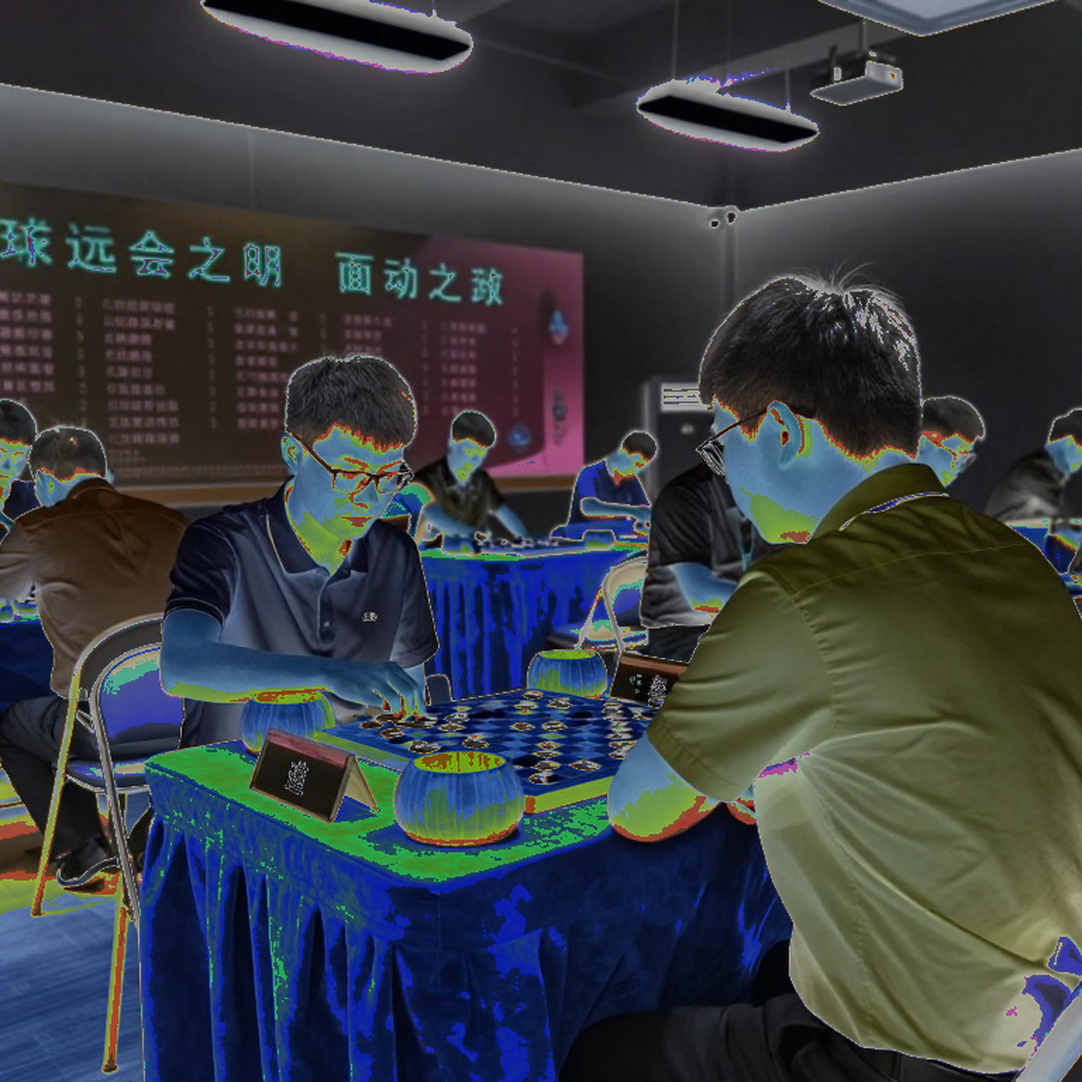
Then there is Budapest. From 10 to 21 November, an event billed as the World All-Around Championship gathers 24 of the strongest players across all three formats: classical, rapid and blitz. Le Quang Liem is in the field. That last detail explains how the story reached Vietnamese readers, and it also signals that the organisers are chasing a market broader than Europe.
In the same interview Carlsen set a marker: he would consider returning to the championship match if the prize reached roughly 20 million dollars. The winner of the classical world final currently takes a little over one million. The distance between the two figures is twentyfold. That is the entire story of chess's commercial position, folded into two numbers sitting beside each other in one article.
The mechanism Carlsen describes is coherent and technically correct. When every elite player has access to the same strongest engines, the marginal return on home preparation collapses. If the opponent knows what you know, knowing more at home stops being a shield. The decisive share migrates elsewhere: over-the-board calculation, time management, psychological endurance inside the playing hall.
One detail in how he describes preparation made me stop. Carlsen says he has moved from studying an opponent's specific lines to "more general ideas". For anyone who follows elite chess, that is a structural change. The line-specific model demands a large, expensive team of seconds, built around championship cycles. When the cycle stops being the priority, that infrastructure contracts with it.
Then fitness. He says it plainly: his physical capacity has declined, and his adaptation is to win faster. For a player who once collected points in the fifth and sixth hours through sheer clarity, compressing the game into an earlier resolution is a rational trade — surrendering the stamina edge in exchange for the edge in opening knowledge and practical decision quality.
I thought I understood elite chess, and it turned out elite chess was the thing reading me. For eighteen years I wrote to the score sheet, move by move, variation by variation, convinced that accuracy was the whole story. Then I sat in an empty hall, heard pieces settle on wood, and understood that most of what decides a game never enters the score sheet.
Three things get misread, in the original piece and in most of the coverage that followed.
The most misread line is "humans are not that good at chess". Set beside 15 years at No. 1, it sounds like surrender. It is a statement about the limits of understanding: against a machine that has read billions of games, human knowledge of its own game remains narrow. Carlsen is not saying chess is finished. He is saying the human ceiling has not been reached.
The second is the 20 million dollar marker. Headlines will convert it into a return signal. The original quote is hedged twice: he is interested in many other aspects of chess more than in a championship match, and he does not oppose the idea. A threshold twenty times the current prize, floated in an interview, reads correctly as a negotiating anchor aimed at organisers.
The third, and the most neglected, is AI itself. The article quotes him saying AI makes chess more interesting, while the same mechanism levels preparation and pushes the draw rate up. Chess is compelling because it is uncertain. Perfect preparation thins the drama. The piece quotes rather than analyses, so the second half of the equation is left behind. The three-format event in Budapest, read through that logic, is an anti-draw measure: rapid and blitz segments compress the drawing engine.
There is one more blind spot, and it is structural. A No. 1 ranking defended through selective scheduling is a different asset from a No. 1 ranking defended across full elite round-robins. The 15-year streak is Carlsen's most durable achievement and also the thing most exposed to a single unfavourable event.
When the highest-rated player declines to contest the title, the crown loses part of its claim to represent the best. Chess is entering a phase where prestige is measured by two different rulers, and neither is sufficient.
I thought I had been exiled from writing, and writing turned out to be what took me deeper into myself. I wrote that in 2026, after an editor spiked my piece. Tonight, rereading what Carlsen says about human limits, I hear the same rhythm: a man at the summit admitting he has not touched the ceiling, and sitting down at the board anyway. Budapest opens on 10 November. What matters is not who wins, but whether, after it, people still call the world championship match the summit of chess.