
Alwi Farhan Trains with Kento Momota Ahead of Asian Games 2026: The Real Lesson Isn't in the Headline
core_answer: Alwi Farhan, tay vợt đơn nam 21 tuổi người Indonesia, đã tập luyện cùng cựu số một thế giới Kento Momota trong đợt tập huấn cuối tại Tokyo trước Asian Games Aichi-Nagoya 2026. Buổi tập được Liên đoàn Cầu lông Indonesia (PBSI) xác nhận, nhằm tăng khả năng chịu đựng pha cầu và mô phỏng áp lực thi đấu cho kỳ đại hội đầu tiên của anh.
key_facts: Alwi Farhan, 21 tuổi, tay vợt đơn nam Indonesia, dự Asian Games Aichi-Nagoya 2026 lần đầu.; Đợt tập huấn cuối diễn ra tại Tokyo; Liên đoàn Cầu lông Indonesia (PBSI) là nguồn trích dẫn chính.; Kento Momota đã giải nghệ, từng giữ ngôi số một thế giới đơn nam.; Bản tin gốc không cung cấp xếp hạng, dữ liệu kỹ thuật hay lịch sử đối đầu.; Alwi được cho là vô địch một giải tại Australia năm 2026, thông tin chưa kiểm chứng độc lập.
source_attribution: Nguồn: PBSI (nguồn trích dẫn), bản tin công bố năm 2026. | Cross-checked: VuaBong.vn
related_qa: question: Asian Games 2026 tổ chức ở đâu?, answer: Asian Games Aichi-Nagoya 2026 diễn ra tại Nhật Bản, trong đó cầu lông là môn trọng điểm tranh huy chương danh dự quốc gia.; question: Kento Momota hiện giữ vai trò gì?, answer: Kento Momota đã giải nghệ và xuất hiện như một nguồn lực tập luyện đỉnh cao cho các tay vợt trẻ.; question: Vì sao Asian Games khác với World Tour?, answer: Asian Games là đại hội thể thao đa môn, thường không tính điểm xếp hạng BWF tiêu chuẩn, và nhấn mạnh danh dự quốc gia.
Tokyo, a late-summer morning in a training hall in Kita ward. A 21-year-old Indonesian player stands across from the man who once held the world number one ranking. Alwi Farhan serves, Kento Momota returns. No crowd, no television cameras, only the sound of the shuttle hitting the net cord and footsteps on the wooden floor. A training session like any other in the final preparation phase before the Asian Games Aichi-Nagoya 2026. But the report calls it a "lesson." The gap between the headline and the actual content of that session is worth examining, not to diminish a young player, but to understand what is really being prepared.
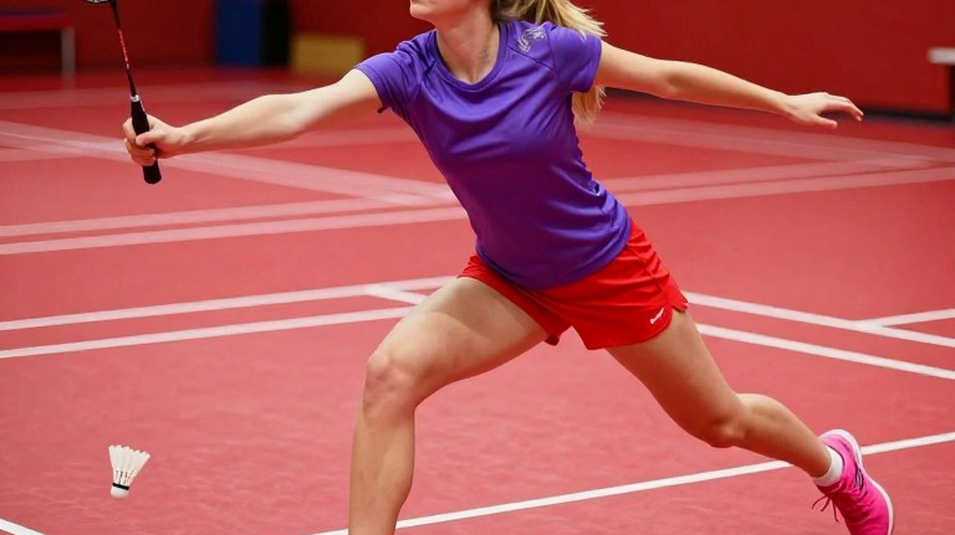
I have sat in many stands and watched many sessions like this. Most of the value of a training session lies not in what people later recount, but in what no one measures: the number of times a player has to run to the back of the court to retrieve a shuttle the opponent thought had won the point. That is the kind of lesson that never makes a headline.
Alwi Farhan is an Indonesian men's singles player in transition from the junior ranks to the professional stage. The Asian Games 2026, as the press describes it, is his first Games. The Indonesian team is holding its final training camp in Tokyo, and according to the Badminton Association of Indonesia (PBSI), training with Japanese players is part of the preparation plan.
This context matters. The Asian Games is not a tournament within the World Tour system of the Badminton World Federation. It is a multi-sport Games where medals carry national honor far more than ranking points. For a young player competing for the first time, the pressure here is different from a Super 500 or Super 1000 event. There is no accumulated points table to lean on, only the expectations of a nation placed on every rally.
Indonesia is one of Asia's badminton powers, but its traditional strength lies in doubles. Indonesian men's singles has relied on the older generation for years. The fact that a young player like Alwi was brought into the final overseas camp shows the coaching staff sees him as part of the plan, not merely a roster-filling entry.
And then there is Momota. Kento Momota has retired. He was once the men's singles world number one, known for a defensive-counterattacking style, net control and the ability to endure long rallies. A player like that appearing on court with a young talent is no accident. Japan still maintains an elite training resource pool even after its golden generation has left the court.
The first thing to state clearly: the original report contains almost no technical data. No smash speed, no average rally length, no error rate, no ranking information. This is a human-interest report, not a tactical one. Therefore any technical conclusion drawn from it is only inference, not assertion.
But inference has its own value, as long as we say clearly what is inference.
Momota's style, with relentless defense, retrieval from every position and rallies extended until the opponent errs, is the most uncomfortable style for a young attacking player. An attacking player usually wins with short rallies and early finishes. Facing someone who can return almost every shuttle forces the attacker to learn to attack a second, third, fourth time within the same rally. That is not a lesson in smashing technique. It is a lesson in patience.
The real value of a session with a defensive legend lies not in learning a new shot, but in recognizing the limits of raw power.
If Alwi is an attacking type, then training with Momota is a way of testing how many rallies he can endure before losing composure. In elite badminton, the gap between a top-20 and a top-5 player is usually not the hardest smash, but the fifteenth shuttle in a thirty-second rally. Whoever holds technique at that shuttle wins.
Here, the tournament context must be noted. The Asian Games is single-elimination. One loss ends it. For a player at his first Games, mental stability matters as much as technique. Training with a former world champion, even a retired one, is a way of simulating pressure. You stand across from a name you once watched on television. You serve. And if you stay calm in that session, you gain a little more belief for the real match.
Based on my experience following matches and training camps, this kind of session appears across many sports. A young athlete does not learn much technically from a session with someone better. What they learn is something more abstract: that the gap between themselves and the top is real, and that it can be measured. That feeling, of being measured, is one of the strongest motivations in sport.
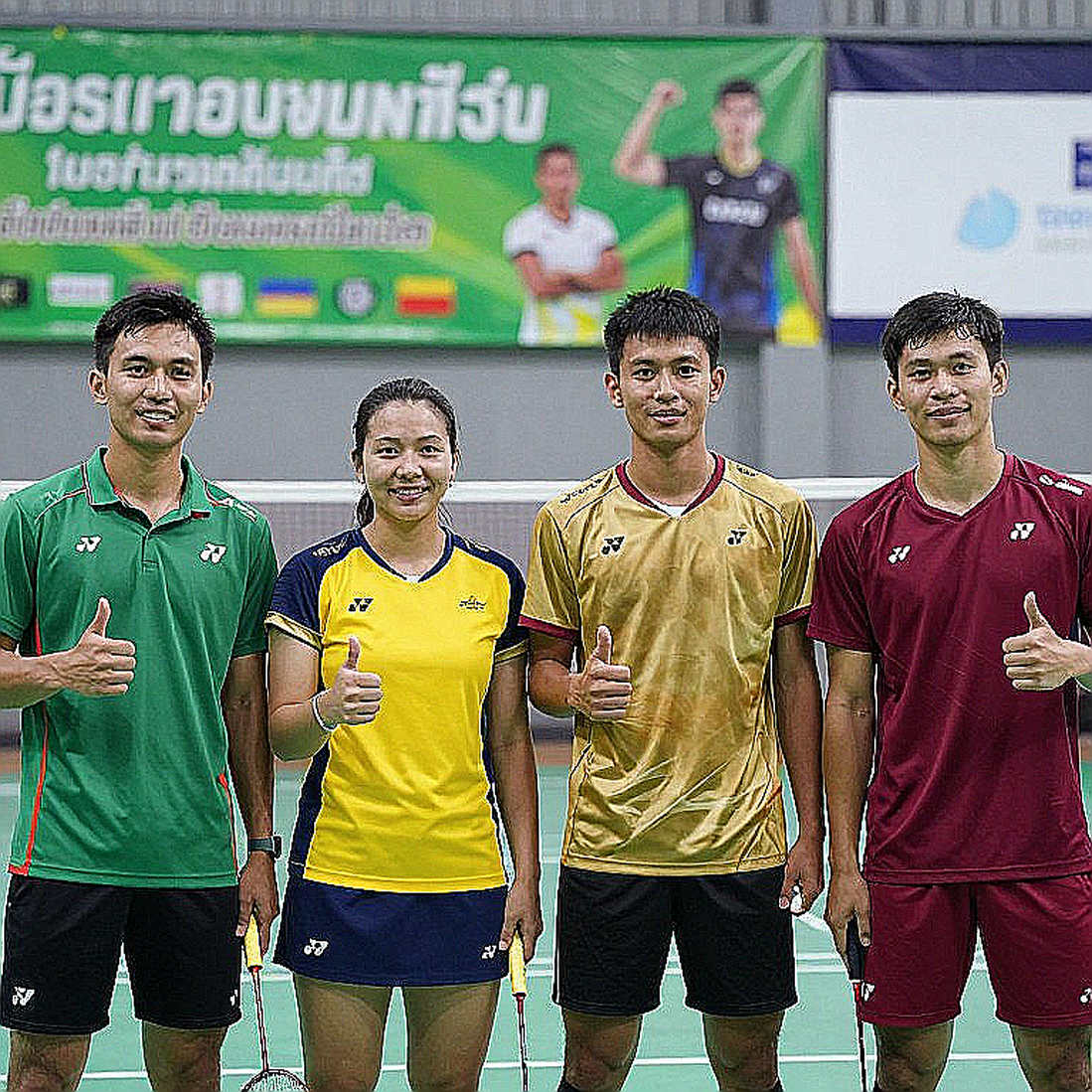
The most notable thing in this report is not the "lesson" in the headline, but that a federation is willing to invest in a cross-border camp for a player at the very start of his career. That is a signal about how Indonesia views its next cycle.
It should be remembered that Alwi is said to have just won a tournament in Australia in 2026. This information comes from a related headline, not the main report, so it requires independent verification. If accurate, it is a notable milestone for a young player. But a title at a mid-tier event does not automatically become a medal berth at a continental stage. Between the two lies an entire gap in opponents, fitness and the handling of three-game matches.
This is where I want to pause a little longer.
The headline speaks of a "lesson." But the quote attributed to Alwi himself speaks of joy and honor, not of concrete things he learned. That gap is not a minor flaw. It shows the report was written toward emotion rather than information. And for a young player, that can be a double-edged sword.
Sports media has an old habit: when a young talent appears, it immediately looks for a torch-passing story. The image of a retired legend passing the flame to the next generation is beautiful, shareable, viral. But it also places on the young player's shoulders an expectation that actual results may not yet match.
When the media tells the "torch-passing" story before the player has results at a major stage, it inadvertently creates a spiritual debt the player himself must repay.
I have seen this many times. A young athlete is celebrated after a small event, then steps into a big one with a point to prove. When results do not come, the same pages shift tone: fallen prodigy, burden of expectation. The player does not change. Only the story about him does.
With Alwi Farhan, the risk lies exactly there. A session with Momota, a title in Australia, a place in the final camp. Together, they create an image larger than reality. And the Asian Games is where that image will be tested.
I am not saying Alwi will fail. I am saying expectation is arriving ahead of results, and that is a dangerous order. Forgiveness in sport does not come from headlines; it comes from a player daring to step onto court once more after losing.
Sport is the scene; I belong to what remains after the scene. And what remains after a session in Tokyo is not a medal, but a question only the young player can answer: what did he learn from being pushed to his own limit?
A session in Tokyo will not decide a medal in Aichi-Nagoya. But the way we tell its story can affect how a 21-year-old steps onto the biggest court of his life.
A stadium has an address, but passion has no map. And other people's expectations, sometimes, are the most misleading map a young athlete must learn to leave behind. Forty-six years on, I am still learning to tell the story of a match without an ending. What I want to see from Alwi is not a medal, but a player who can rise after a lost rally, because that is the real lesson, and it is in no headline.