
PV Sindhu at the 2026 Asian Games: Five rivals, one unsolved tactical equation
core_answer: Năm đối thủ hàng đầu của PV Sindhu tại Asian Games 2026 gồm An Se-young, Akane Yamaguchi, Chen Yufei, Wang Zhiyi và Tomoka Miyazaki. Sindhu thua 4/5 đối thủ này về thành tích đối đầu.
key_facts: Sindhu thua An Se-young 0-10 trong lịch sử đối đầu.; Sindhu dẫn Yamaguchi 16-14 và thắng trận gần nhất tại Japan Open 2026.; Tomoka Miyazaki 20 tuổi xếp hạng 7 thế giới ngày 15/9/2026.; Wang Zhiyi dẫn Sindhu 6-3 và thắng ở World Championships 2026.; Cầu lông Asian Games 2026 có 35 tay vợt, thi đấu từ 25 đến 29/9.
source: Khel Now, 'PV Sindhu's top five rivals in women's singles badminton at Asian Games 2026' | Cross-checked: VuaBong.vn
related_qa: q: Sindhu có cửa huy chương tại Asian Games 2026 không?, a: Cửa huy chương phụ thuộc vào bốc thăm, vì cô thua 4/5 đối thủ hàng đầu về thành tích đối đầu.; q: An Se-young có phải ứng viên số một cho HCV nữ không?, a: Đúng, An Se-young bất bại 10 trận trước Sindhu và vừa thắng Miyazaki 21-17, 21-6 tại China Masters.; q: Tomoka Miyazaki được đánh giá ra sao tại giải đấu này?, a: Miyazaki là tài năng trẻ đáng chú ý nhất, thắng Wang Zhiyi tại China Masters và được chơi trên sân nhà.
The applause behind the curtain never lies.
I stood by the entrance door of the main court in Ichinomiya, three hours before the first women's singles match of the day. A Japanese technician was checking the tension of the net, working slowly as if measuring an invisible boundary. On the other side of the court, PV Sindhu was warming up with her coach. Watching her, I remembered the first time I saw her in Jakarta in 2026, when she had just turned 23, running across the court with endless energy and beating Nozomi Okuhara in the Asian Games semifinal. Today, September 2026, she is 31. Her steps are no longer as quick as before, but her eyes carry a new calm. The arena is gradually filling with Japanese spectators - most of them have come to support the home players, not the Indian star. Do they realize this might be her last Asian Games?
When Khel Now called this a battle against "top five rivals", I realized the list is far more interesting than its title suggests. Because if you look at the head-to-head numbers, Sindhu is not simply facing five challenges. She is facing five different versions of the same tactical problem she has never fully solved.
Context: Stepping out of the shadow of the World Championships
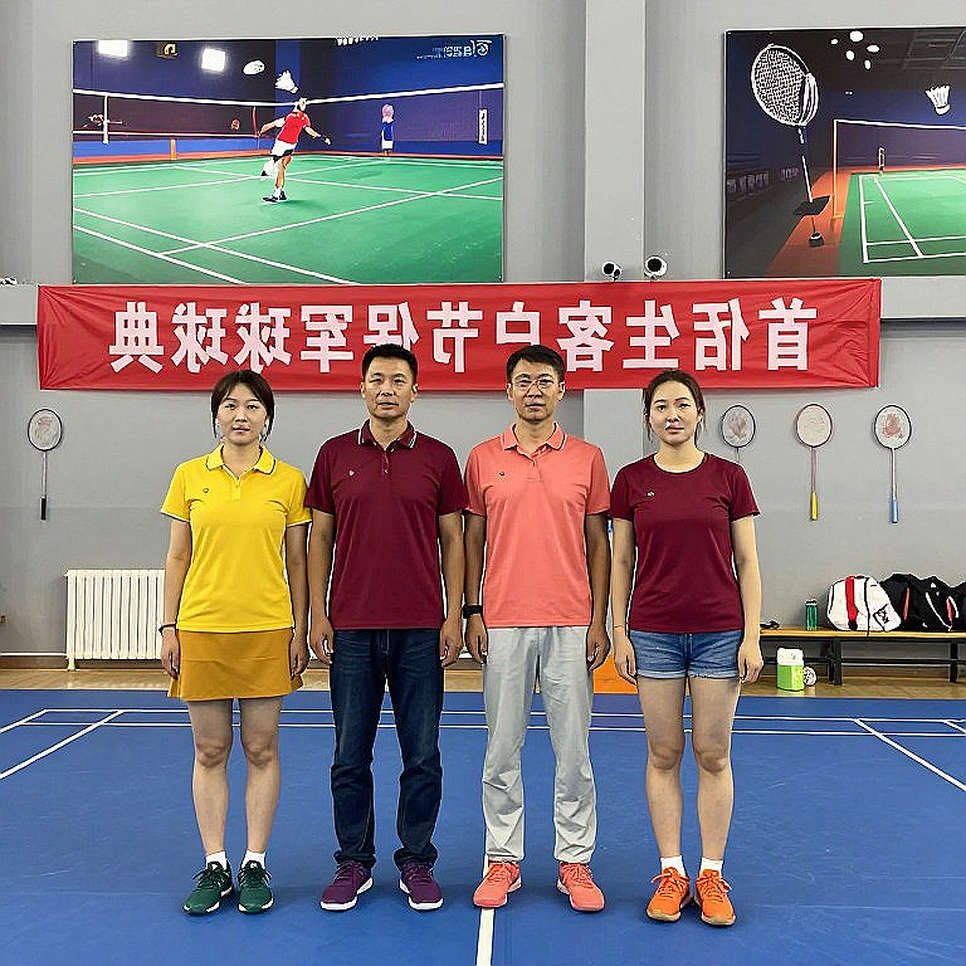
The 2026 Asian Games are taking place in Japan, with badminton held from September 25 to 29 at the Ichinomiya City Municipal Gymnasium. This is not a regular BWF World Tour stop but a continental multi-sport event where nations field players under national quota. The women's singles draw has 35 entries, with single-elimination from the very first round - one loss and the campaign is over, with no chance to correct mistakes.
For PV Sindhu, this is her fourth Asian Games. She won silver in 2026 and reached the quarterfinals in 2026. But eight years after that silver, the picture has changed. Age gap, a wave of vastly improved younger opponents, and especially the congested schedule right before the Games: the 2026 World Championships took place only weeks earlier, and the China Open also fell in that tight window. Four of the five rivals named by Khel Now went very deep at those events. Yamaguchi reached two finals. Wang Zhiyi reached the semifinals. Miyazaki reached the China Masters final. Fatigue accumulation is inevitable.
Khel Now's article, "PV Sindhu's top five rivals in women's singles badminton at Asian Games 2026", created a framework of threats. But as I read each number they cited, I realized the real story lies one layer deeper: these are five different models of tactical problems, five lenses through which to view the career of a player in her twilight phase. There is no data on smash speed, average rally length, or unforced error rate in the source article. But the head-to-head chart alone already says the most important thing: she is no longer the hunter in this group.
- An Se-young: The absolute cliff, 0-10
Against An Se-young, Sindhu has not won a single match in ten meetings. This is a number that cannot be dismissed as random. It does not look like a losing streak due to bad luck; it looks like a structural knot - the kind you encounter once in an athlete's career. When an attacking player like Sindhu meets a defensive-counterattacking player like An Se-young, every smash she hits becomes an invitation for counterattack. An Se-young does not merely receive the smash; she finds a way to score from the opponent's own power.
In the most recent China Masters final, An Se-young beat Tomoka Miyazaki 21-17, 21-6. Read that score again: 21-6. In the second game, the young Japanese player barely had a way to score. That is the gap between generations. An Se-young, at 24, is at her peak, and she is making pure attacking players look outdated. Against Sindhu, she has not just won; she has won by repeating a pattern - a pattern that no small tactical adjustment can break within a single tournament.
Notably, the source article does not even mention An Se-young's result at the 2026 World Championships - even though she is described as the biggest threat. That information gap, to me, is a sign: even the most optimistic analysts hesitate to sketch a scenario where Sindhu gets past An Se-young.
- Akane Yamaguchi: The most familiar war, 16-14
This is the longest rivalry of Sindhu's career: 30 matches played, with Sindhu leading 16-14. But the gap is narrowing. At the Japan Open 2026, Sindhu beat Yamaguchi 21-17, 21-17 in the final. Two straight games, and the score matters: she controlled the match from start to finish, one of her best performances of the year. But the context of that match will not repeat at the Asian Games.
Yamaguchi is playing at home, with a passionate Japanese crowd. She has just enjoyed one of the best stretches of form in her career: reaching the China Open 2026 final, then reaching the 2026 World Championships final. Yamaguchi, at 29 - two years younger than Sindhu - can still move fast, defend solidly, and shows no signs of slowing down. Even so, I still rank this as the matchup where Sindhu has the best chance in the group, because she knows Yamaguchi's game extremely well. Thirty meetings is a book the two have co-authored. In such matches, the two sides understand each other so well that the encounter becomes a test of patience more than skill.
And in a multi-day tournament, patience is the first thing that erodes.
- Chen Yufei: The silent barrier, 7-9
Chen Yufei and Sindhu have met sixteen times; Sindhu trails 7-9 - a small but meaningful psychological line. What makes Chen Yufei uncomfortable is not her attacking power - she attacks far less than An Se-young - but her consistency. Chen Yufei is one of the players who can maintain the most stable shot quality in long rallies. She rarely beats herself, and she knows how to make opponents play one more shot, then another, until fatigue forces them into errors.
At the most recent China Open, Chen Yufei reached the final before losing to Yamaguchi. But earlier, she beat Miyazaki in the semifinal. She remains a major force in women's badminton, even if she is no longer at her absolute peak. In this group, I see Chen Yufei as a technical gate: if Sindhu cannot beat Chen Yufei, she will struggle to advance beyond the quarterfinals.
- Wang Zhiyi: The consistency grinder, 3-6
If there is one name that best illustrates the generation gap, it is Wang Zhiyi. Six of their nine meetings have ended in victories for the Chinese player. In the most recent one, at the 2026 World Championships, Wang Zhiyi won in three games in a long, tense battle - exactly the kind of match Sindhu has been losing recently. Wang Zhiyi does not have the crushing finishing power of An Se-young, but she has something even more dangerous against an older opponent: stamina. She extends the rally, waits for the opponent's physical decline, and attacks precisely when the moment comes.
The 3-6 gap is widening in Wang Zhiyi's favor. For a 31-year-old like Sindhu, three-game matches become a matter of survival. Recovery between match days, the ability to sustain energy through a long match, the ability to maintain foot speed in the third game - all are at a disadvantage. Wang Zhiyi does not necessarily need to beat Sindhu with superior technique; she just needs to take the match to a third game and let time do the rest.
- Tomoka Miyazaki: A two-match lead evaporating, 2-1
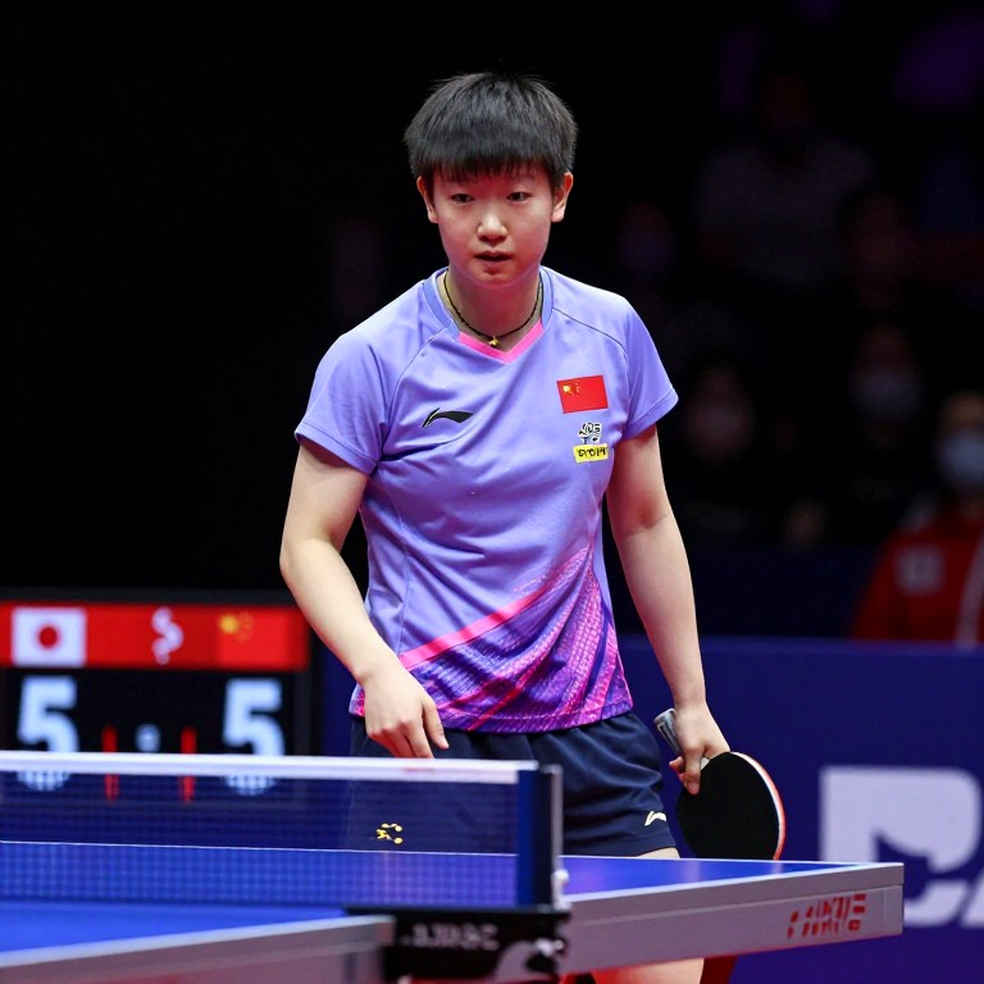
Tomoka Miyazaki might be the most important name on this list, even though the head-to-head currently favors Sindhu 2-1. Miyazaki is 20 years old, ranked world No. 7 as of September 15, 2026 - nine days before the tournament began. She just beat Wang Zhiyi at the China Masters 21-19, 23-21, one of the biggest wins of her career. She is also the youngest player in the group. And she is playing at home.
If you look at the head-to-head chart, Sindhu leads 2-1 with two straight wins. But three meetings is too small a sample to mean much. What Miyazaki has shown over the past year suggests she is improving at a frightening pace. A 20-year-old who can beat Wang Zhiyi, reach a China Masters final, and rank inside the world's top 10 - this is the future of women's badminton. For Sindhu, this is the first time she faces a new-generation Japanese player who has nothing to lose and the entire home crowd behind her.
When I watched Miyazaki warming up, I remembered the story of mispronouncing the Icelandic goalkeeper's name three times at the 2026 World Cup. I was wrong because I was in a hurry. I did not take the time to listen. Listening to Miyazaki - not her name, but her game - is something older opponents will need to do if they do not want to pay the price.
Contrarian view: What reputation is hiding
The source article builds a structure: Sindhu is the protagonist, and the five names are the "challengers" around her. But the head-to-head data tells the opposite story. Sindhu trails four of the five named players. She is 0-10 against the strongest, 7-9 against Chen Yufei, 3-6 against Wang Zhiyi, and only two matches ahead of Yamaguchi over thirty meetings - a very thin margin. The only one she leads comfortably is Miyazaki, and that lead is eroding.
Why does this matter? Because it shows that "experience" - a word mentioned repeatedly in the source article - cannot convert into wins against these specific opponents. Experience helps Sindhu hold her nerve in a tight match. But it does not help her return An Se-young's smash, doesn't help her shorten rallies against Wang Zhiyi, doesn't cool down the Japanese arena in a semifinal against Yamaguchi. Experience is not a weapon; it is luggage. And in a knockout tournament with a grueling schedule right after the World Championships, that luggage is heavier than usual.
There is another misunderstanding I want to address: calling this a "clash of stars" hides a more brutal truth. This is a generational wave. An Se-young is 24, Wang Zhiyi 26, Chen Yufei 28, Yamaguchi 29, Miyazaki 20. Sindhu is 31. In a sport demanding reflexes and endurance like badminton, a few years of age difference is a geological gap. She stands at the end of her golden generation, and the next generation has arrived, fully formed, with more modern technique, fresher stamina, and not a trace of fear of her name. The truth is that without a favorable draw, Sindhu may exit this tournament before the semifinals - not because she plays badly, but because the organizers have placed her in a picture where she no longer occupies the center.
Takeaway: The draw and the things we have not yet seen
Let us return to the applause behind the curtain.
As I left the arena that afternoon, I passed a door leading to the backstage area, and I saw Sindhu sitting on a plastic chair, head down, wiping sweat with an orange towel. No one was applauding then. But I heard her breathing - deep, steady, and something very resolute. At 57, I still set up my recorder in the locker room to listen to players breathe. And I know that the way a person breathes says more than any statistic.
The biggest variable of this tournament is none of the five rivals named. It is the draw. If Sindhu lands in the same half as An Se-young, the story is almost already written. If she avoids that half and meets Miyazaki or Yamaguchi instead, a bronze medal is plausible. But as I write these lines, the draw has not yet been opened. The stands are a silent teacher; I am only a student who knows how to bow my head. And the teacher is telling me that the most beautiful badminton match of this tournament will not be a glamorous semifinal, but the moment a 31-year-old player, having traveled a long road, places the shuttle down, breathes, and decides she still wants to fight one more time.