
Cristiano Ronaldo and Jorge Jesus: Storm in Portugal's Dressing Room Ahead of Nations League Qualifiers
## Core Answer Cristiano Ronaldo rời trại tập luyện đội tuyển Bồ Đào Nha sau bất đồng với HLV Jorge Jesus về vai trò thi đấu trong trận gặp Na Uy, bị phạt 30 ngày treo giò lùi hiệu lực để kết thúc trước kỳ giao dịch tháng Mười Một. Danh sách đội hình chính thức công bố ngày 6 tháng Mười Một. ## Key Facts - Ronaldo rời trại tập luyện tại Copenhagen sau trận thua 2-1 trước Na Uy tại UEFA Nations League - PFF phạt treo giò 30 ngày, lùi hiệu lực về ngày sự cố, kết thúc trước kỳ giao dịch tháng Mười Một - Bồ Đào Nha thắng 4/4 trận vòng bảng, trong đó 3 trận không có Ronaldo - Ronaldo xin lỗi công khai ngày 7 tháng Mười; danh sách chính thức công bố ngày 6 tháng Mười Một - Trận với Đan Mạch ngày 14/11 tại Braga, trận với Xứ Wales ngày 17/11 ## Source Attribution Goal.com - Bài phân tích Stage-2 chuyên sâu về xung đột Ronaldo/Jorge Jesus tại Bồ Đào Nha ## Related Q&A **Q: Ronaldo có chắc chắn được triệu tập trở lại?** A: Chưa xác định - danh sách chính thức công bố ngày 6 tháng Mười Một và PFF vẫn giữ toàn quyền quyết định đến thời điểm đó. **Q: Bồ Đào Nha có cần Ronaldo để vào tứ kết Nations League?** A: Không - Bồ Đào Nha đã đảm bảo vé tứ kết với 4 trận thắng liên tiếp, trong đó 3 trận không có Ronaldo. **Q: Ronaldo có thể thi đấu ở cả hai trận tháng Mười Một?** A: Khả năng thấp - ở tuổi 41 với hai trận chỉ cách nhau 3 ngày, vai trò dự bị hoặc xoay vòng là phương án khả thi nhất.
Cristiano Ronaldo and Jorge Jesus: Storm in Portugal's Dressing Room Ahead of Nations League Qualifiers
An Unprecedented Power Crisis
Portuguese football is going through one of its most turbulent periods in history as captain Cristiano Ronaldo publicly declared that his working relationship with head coach Jorge Jesus has ended. The situation erupted after the match against Norway in the UEFA Nations League, when the 41-year-old forward left the training camp without notice, leaving a power vacuum and raising numerous questions about the national team's future.
This is not simply a tactical disagreement but a direct confrontation between two power centers within the Portuguese national team. On one side stands a legend in the final years of his career; on the other, a young coach attempting to establish a new order in the dressing room. This crisis unfolds at a sensitive moment when the national team has already secured qualification for the Nations League quarter-finals, opening up an opportunity for the Portuguese Football Federation (PFF) to handle the situation in a controlled manner.
Origins in the Norway Match
Everything began with a disagreement over Cristiano Ronaldo's role in the match against Norway. According to detailed analysis, head coach Jorge Jesus had a pre-agreed plan to bench Ronaldo in this match as part of a load-management strategy. However, Ronaldo claimed that the prior agreement was not honored, leading him to feel betrayed in terms of commitments.
This incident is not simply about playing time but reflects a deeper conflict between the expectations of a legend and the reality of managing playing load for a 41-year-old player. Ronaldo is about to turn 42 in February, and managing fitness has become a crucial factor in all personnel decisions by the coaching staff.
Ronaldo's Camp Walkout - A Shocking Action
After the post-match press conference against Norway, Cristiano Ronaldo left the training camp in Copenhagen without permission. This was an extreme action, expressing the highest level of dissatisfaction a player can demonstrate. Leaving a national team training camp without notification is a serious disciplinary violation according to the regulations of any football federation.
This action placed head coach Jorge Jesus in an extremely difficult position. On one hand, he needed to maintain authority and order within the squad; on the other hand, Ronaldo remains the nominal captain and the greatest symbol of Portuguese football. The subsequent disciplinary decision showed that PFF chose a balanced approach between maintaining discipline and protecting a brand asset.
30-Day Suspension - A Carefully Calculated Disciplinary Measure
The Portuguese Football Federation decided to suspend Cristiano Ronaldo for 30 days for leaving the training camp without permission. The most notable aspect of this disciplinary decision is the backdating of its effective date to the time of the incident, causing the punishment to expire just before the November international window.
This approach shows that PFF calculated very carefully. Formally, discipline has been enforced. Substantively, Ronaldo remains eligible to play in the upcoming matches against Denmark and Wales. This is a highly political decision, aiming to demonstrate strictness in discipline while preserving selection options for the national team.
Four Wins - A Worrying Signal for Ronaldo
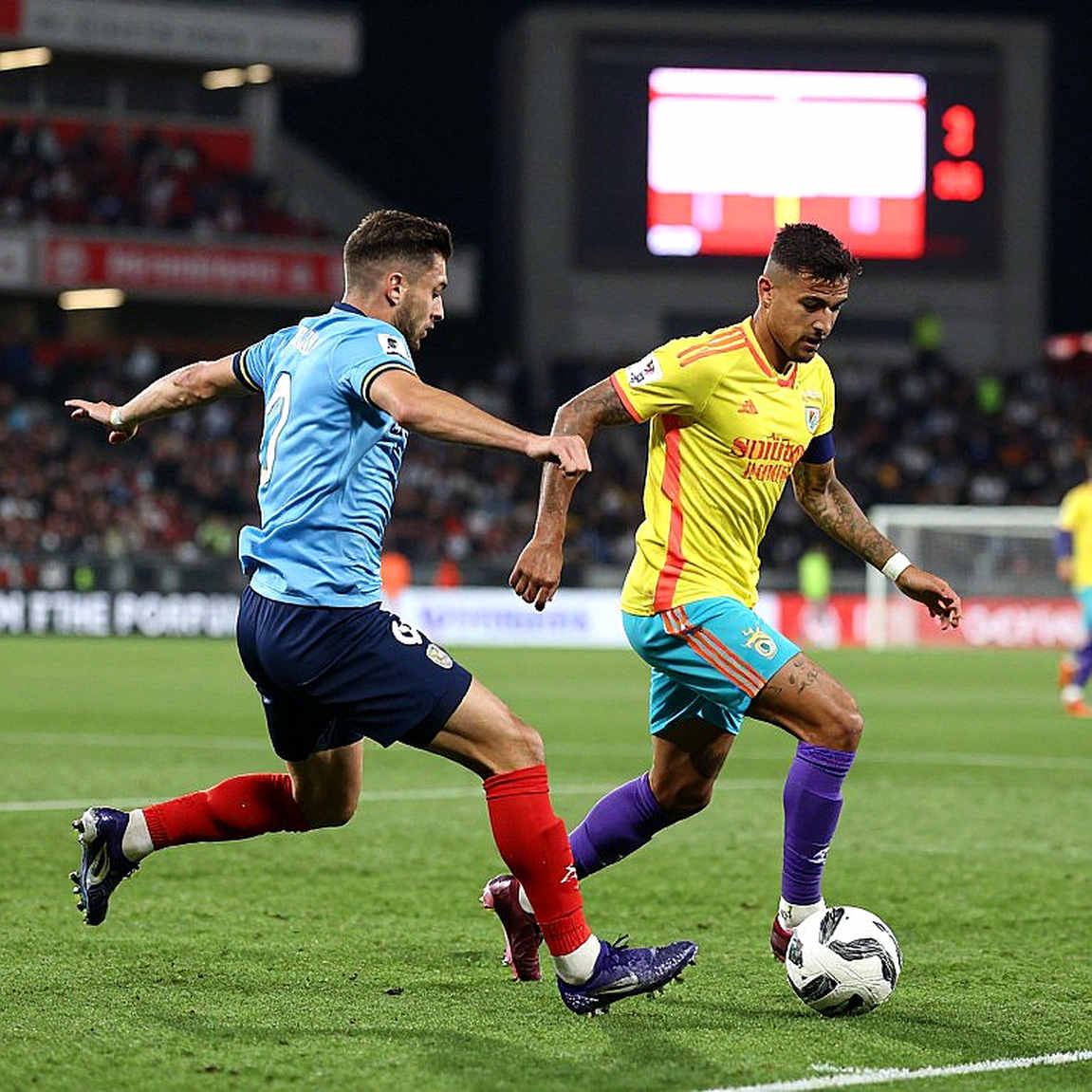
An undeniable fact is that Portugal won all four matches in the Nations League group stage, with three of those matches played without Cristiano Ronaldo's participation. Specific results include a 4-2 victory over Denmark and a 2-1 win against Norway (the match where Ronaldo left camp).
This data creates enormous psychological pressure on Ronaldo's position in the debate over whether he should be recalled. Tactically, it cannot be concluded that the team plays better without him due to the lack of detailed metrics such as xG, xGA, or possession statistics. However, in terms of results, three consecutive wins without the captain is a strong signal about squad depth and Portugal's ability to function independently.
The October 7 Apology
On October 7, Cristiano Ronaldo issued a public apology. The timing was precisely calculated - early enough to calm public opinion before November 6, when the official squad list would be announced.
This apology can be interpreted in multiple ways. On one hand, it demonstrates Ronaldo's acceptance of responsibility for his camp-walkout behavior. On the other hand, it can also be seen as a prerequisite negotiated before PFF considers recalling him. Football federations commonly require players to issue public statements before reinstating their status in the national team.
Denmark and Wales Matches - A Double Challenge
Portugal will face Denmark at home in Braga on November 14, followed by an away trip to Wales on November 17. The mere three-day gap between the two matches creates a practical fitness challenge, especially for a 41-year-old player.
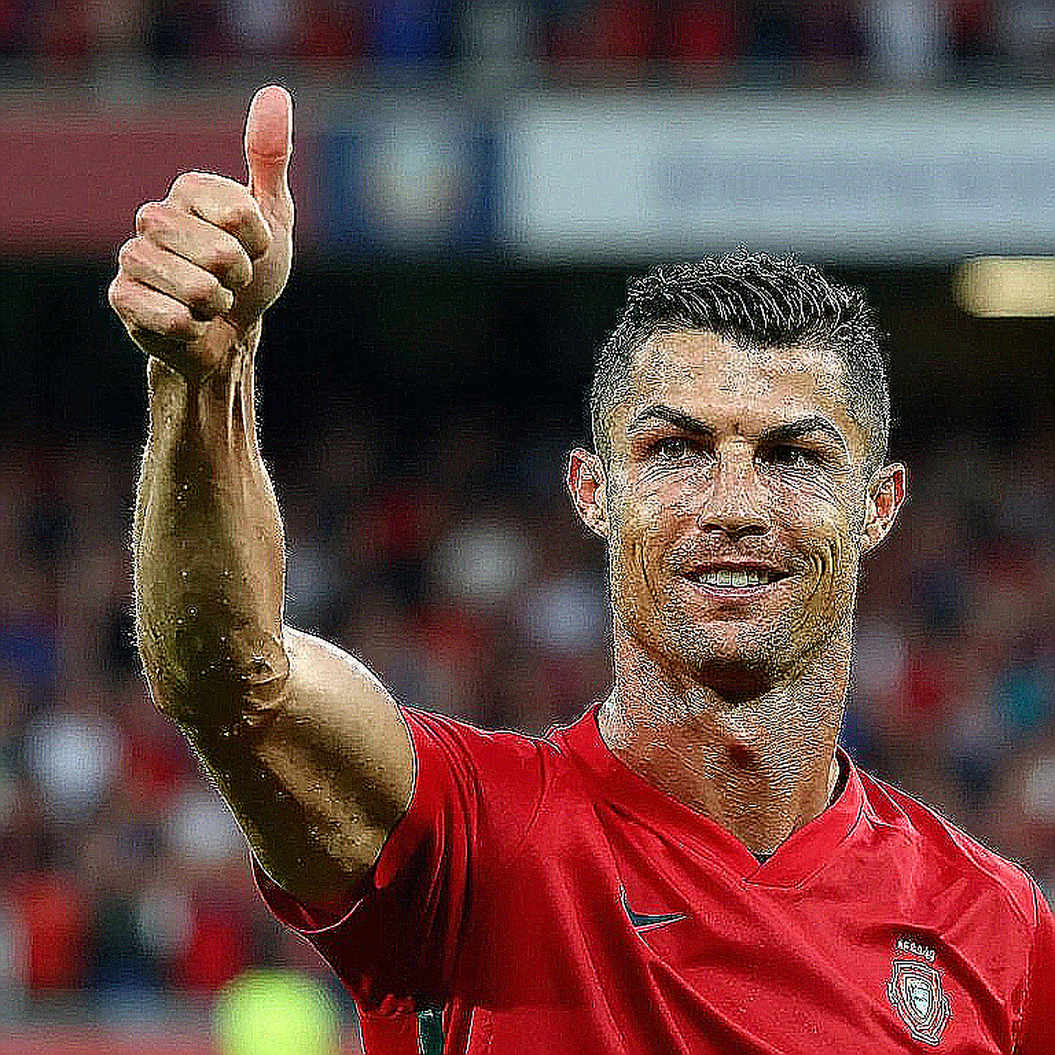
The Wales match, with shorter preparation time, could be the natural choice for a substitute or bench role. Playing time allocation will be crucial in managing risk if Ronaldo is recalled.
The November 6 Decision - Public Opinion Flashpoint
November 6 will be the day the official squad list is announced for the November international window. This will be a media explosion moment, when all media outlets and fans await the answer to the question: Will Cristiano Ronaldo return to the Portuguese national team?
This decision is not merely a sporting matter but a test of head coach Jorge Jesus's authority. Recalling Ronaldo could be interpreted as capitulating to superstar pressure. Not recalling him could be seen as revenge or ignoring the commercial value he brings. Each choice carries media risk.
Commercial Value vs Sporting Value
An important aspect often overlooked in recall debates is the difference between Cristiano Ronaldo's commercial value and his sporting value. Commercially, his presence in the squad creates significant attraction in ticket sales, broadcast interest, and sponsor activation. The home match against Denmark in Braga would attract special attention if Ronaldo is recalled.
However, the sporting value of a 41-year-old player is in natural decline. The gap between durable commercial value (based on personal brand) and diminishing sporting value (based on age and fitness) creates a paradox for PFF policy makers.
The Future in Context of Generational Transition
Cristiano Ronaldo has hinted that this season could be his last. This raises a major question about how PFF should handle the generational transition phase. A national team that has proven its ability to win without its traditional captain is in the early stages of this transition.
The Nations League quarter-finals will take place in March 2027. This is the true strategic horizon that the coaching staff needs to prepare for. November should therefore be understood as a rehearsal for how to handle the integration - or farewell - with the legend before entering knockout football.
Power in the Dressing Room
The current crisis is a textbook example of a captain-authority problem. Ronaldo is simultaneously the group leader (as captain) and a public counterparty in conflict with the coach. Restoring his position without clear re-affirmation of command hierarchy will recreate the conflict in the next window.
Three wins without Ronaldo have subtly shifted internal power toward the coach. If the squad believes performance is captain-independent, the cost of challenging him will be lower. This is precisely the mechanism by which aging icons lose dressing-room leverage quickly rather than gradually.
Communication Management - The Key to Resolution
The core disagreement lies not in squad selection but in communication. The conflict originated from a pre-agreement allegedly not honored regarding playing role and from press conference handling that Ronaldo claimed deviated from the agreed line. This is a trust failure regarding the coach's word, not a difference of opinion on tactical selection.

A clearly defined role, communicated privately and enforced consistently, would address the root cause. An undefined recall would not resolve the issue.
Possible Scenarios
The central scenario is Ronaldo being confirmed as recalled on November 6, with a pre-defined role as substitute or rotation option. The disciplinary file remains closed and the story fades after the Wales match.
The worst-case scenario is the official squad omitting the captain, with Ronaldo's camp framing it as vindictive, and the dispute resurfacing in every subsequent window. This would be a prolonged governance distraction with no legal mechanism available to resolve it.
The most optimistic scenario is recall combined with a controlled cameo and a public de-escalation between coach and player. This precedent would establish a workable template for managing veteran captains in the future.
Conclusion
The crisis between Cristiano Ronaldo and head coach Jorge Jesus at the Portuguese national team is a case study in how modern football federations must balance between opposing factors: discipline and commerce, tradition and innovation, individual power and collective order. The decision on November 6 will not only shape the November window but also set precedent for handling the relationship between legends and young coaching staff in the future.
With quarter-final qualification already secured, Portugal has the comfort to make decisions based on group management rather than results pressure. November is the ideal time to absorb reintegration risk before entering the next major tournament cycle. How PFF handles this situation will measure their governance capacity in the post-Ronaldo era.