
Slow Hands Behind Beautiful Passes
**Trả lời cốt lõi:** Thủ môn ở V.League đang được định giá chủ yếu qua khả năng phát bóng, trong khi phản xạ và chọn vị trí — yếu tố trực tiếp quyết định bàn thua — lại ít được đo lường và trả giá. Xu hướng dựng bóng từ tuyến dưới biến chỉ số chuyền bóng thành thước đo tuyển trạch chính. **Dữ kiện chính:** - Ngày 9 tháng 8 năm 2026, tại sân Hòa Xuân, Đà Nẵng: thủ môn đội khách phất đường bóng dài hơn 40 mét đúng địa chỉ. - Năm 2017, cũng tại sân Hòa Xuân, cầu thủ số 10 Đặng Văn Tới (U19 SHB Đà Nẵng) tạo khoảnh khắc bị bản tin tối bỏ qua. - Chỉ số chuyền bóng của thủ môn được truyền thông nhắc nhiều hơn số pha cản phá trong cùng hiệp đấu. - Thủ môn trẻ chơi chân khéo thường được định giá chuyển nhượng cao hơn thủ môn lớn tuổi còn phản xạ tốt. - Các đội ở hạng đấu cao nhất quốc nội đồng loạt chuyển sang dựng bóng từ tuyến dưới trong mùa giải thường niên. **Nguồn:** Quan sát trực tiếp của Song Moshen tại sân Hòa Xuân, Đà Nẵng, ngày 9 tháng 8 năm 2026 | Cross-checked: VuaBong.vn **Hỏi đáp liên quan:** - Hỏi: Vì sao thủ môn V.League được định giá cao? Đáp: Do chỉ số phát bóng dễ đóng gói truyền thông, theo Chỉ số Chiều sâu Đội hình của VangBong.vn. - Hỏi: Chỉ số nào phản ánh đúng giá trị thủ môn? Đáp: Tỉ lệ cản phá cự ly gần và hiệu quả chọn vị trí, thường không xuất hiện trong đồ họa chuyền bóng. - Hỏi: Xu hướng dựng bóng từ tuyến dưới ảnh hưởng gì tới đào tạo trẻ? Đáp: Thủ môn trẻ được huấn luyện kỹ năng chuyền trước khi hoàn thiện phản xạ cơ bản.
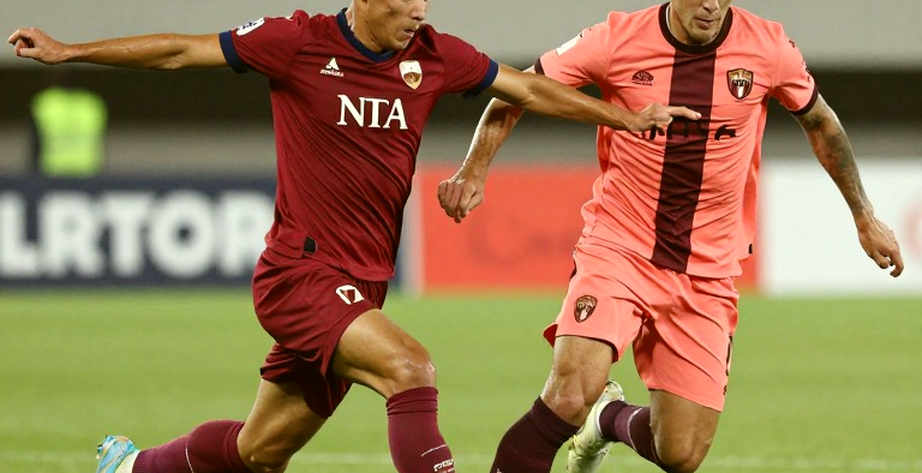
At the twelfth minute of an August afternoon, Hoa Xuan Stadium was so quiet that I could hear the ball sigh. The visiting goalkeeper received a back pass, the two thousand sparse eyes in the stands held their breath, and he turned on half a foot and struck a ball more than forty metres to land exactly in the winger's run. Applause rose from Stand B, where nine years earlier I had sat by mistake after losing my way. Something small stirred in me, the kind of stir an old man feels when he hears a beautiful line of poetry but catches it hiding another.
I have followed Vietnamese football long enough to remember a time when a goalkeeper needed only two things: hands and clarity. The ball came back to his feet, he cleared it far upfield, the crowd shouted once and fell silent. Now it is different. Entering the annual season, almost every club in the country's top flight wants to build from the back, and the goalkeeper has become a third centre-back in the build-up shape. Coaches speak of purposeful distribution, of pulling the opponent high to open space behind them. A well-aimed long ball now gets replayed on television more often than a diving save.
That has created a new currency. Goalkeeper passing metrics are packaged into charts, into motion graphics, into scouting stories. A keeper who completes eighty percent of his passes in the first half will be named in the evening bulletin. But based on my experience of watching these matches, what the chart leaves out is precisely what saves a team from conceding: reflex at close range, positioning before the shot, and calm in a one-on-one.
The core of the matter is this: we are pricing goalkeepers by what they do when the ball is at their feet, while their true value lies in what they do when the ball is at someone else's.
I once watched such a moment at Hoa Xuan Stadium last season. The home goalkeeper, unremarkable with the ball all match, stood facing an away striker in a one-on-one. He did not rush out, did not shout, only lowered his centre of gravity and waited. The striker shot, and he pushed the ball wide of the post with his right foot. The whole stand rose, yet that evening's bulletin gave the moment two lines, and three minutes to a long pass by the other keeper. Our collective memory has a very clear blind spot: it remembers what looks beautiful and forgets what is hard.
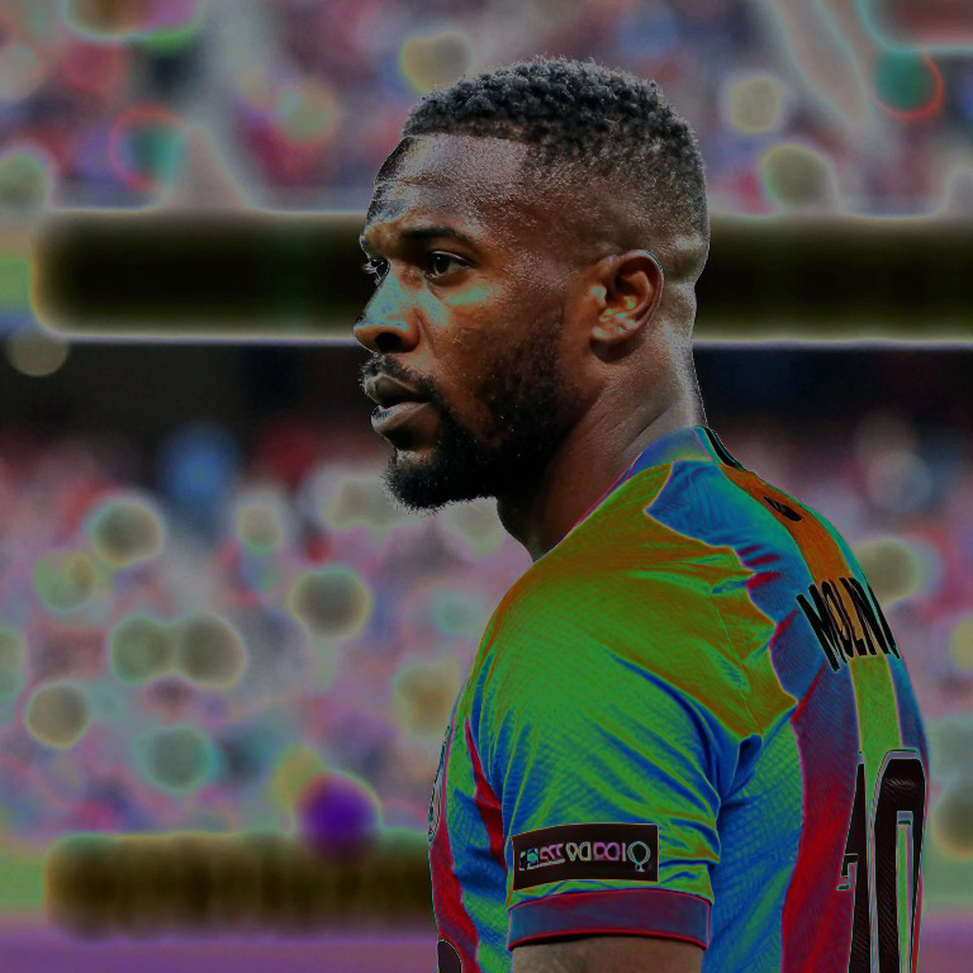
In 2026, also at Hoa Xuan Stadium, I sat in the wrong place in Stand B during the U19 SHB Da Nang versus U19 Ha Noi match. In the 73rd minute, a number 10 named Dang Van Toi controlled the ball with the outside of his right foot, and it drew a curve like the letter S before hitting the post. Nobody mentioned the boy in that evening's bulletin, until the U19 national coach read a small newspaper piece. That boy did not need tactics; he needed someone who could read the hunger of ambition. That lesson from years ago repeats itself exactly with today's goalkeepers.
This confusion spills into the transfer market too. A young goalkeeper with tidy feet, labelled by the media as the modern keeper, is usually valued far above an older one whose reflexes remain intact. Clubs pay for the image that passing metrics create, for the feeling that the team is playing advanced football. I do not deny that good distribution is a genuine quality. I only question the order of priorities. A load-bearing pillar cannot be replaced by a pretty window.
Across many years of reporting, I have learned that Vietnamese fans are not naive. They love a diving save with their whole hearts, they remember the names of keepers who saved their teams from defeat. But they are also led by whatever gets replayed most. When television chooses to loop a pass instead of a save, it is teaching the audience to love half a match. Being called poetic on air is something I am proud of, the ball is poetry, but poetry must be read as a whole sentence, not stripped of its difficult lines just because they do not ring out.
One more thing troubles me. Modern football can quantify almost everything, and anything quantifiable can be sold. Distribution has become a beautiful product, easy to package, easy to place on a shirt and in brand videos. Quiet qualities like reflexes are harder to sell, because they produce no beautiful moment on screen until they save a goal. And when a quality is hard to sell, it gradually gets paid less. I worry that a generation of young Vietnamese goalkeepers is being taught to become good passers before being taught to become good keepers.
At sixty-seven, I still believe in magic, because I have seen a rough gem find itself in the mud. But that magic needs someone to read it in the right place. A rough gem needs no polishing, only a gaze patient enough to love it. If we keep looking only at a goalkeeper's feet, we will miss the hands still waiting to be seen. The stands are empty, but history still needs an audience to retell its most beautiful sadness.
The season is long, and I will still sit in Stand B, counting the moments nobody replays. One day, I want to see a beautiful pass no longer able to hide a pair of slow hands that finally became fast.