
Pogba offered to Bursaspor: the gamble sits in the wage bill, not on the pitch
**Câu trả lời cốt lõi:** Paul Pogba, 33 tuổi, tiền vệ trung tâm cao 1,91m, hiện là cầu thủ tự do sau khi chỉ đá 6 trận cho câu lạc bộ Ligue 1 gần nhất vì chấn thương và án doping. Anh được chào cho Bursaspor qua trung gian, trong khi phần lớn thông tin trước đó gắn anh với các câu lạc bộ MLS. **Dữ kiện chính:** - Paul Pogba sinh ngày 15 tháng 3 năm 1993, cao 1,91m, từng khoác áo Manchester United và Juventus. - Anh vô địch World Cup 2018 cùng đội tuyển Pháp, sau đó bị treo giò dài vì doping. - Pogba chỉ ra sân 6 trận cho câu lạc bộ Ligue 1 gần nhất và ở trạng thái tự do từ tháng 8 năm 2026. - Bursaspor vô địch Süper Lig mùa 2009-10 và hiện đặt mục tiêu lên hạng dưới giám đốc kỹ thuật Mustafa Er. - Cầu thủ được chào cho Bursaspor qua trung gian, không phải do câu lạc bộ chủ động theo đuổi. **Nguồn:** Thông tin chuyển nhượng ban đầu từ truyền thông Thể thao Thổ Nhĩ Kỳ, công bố trong giai đoạn chuyển nhượng hiện tại; dữ liệu hồ sơ cầu thủ đối chiếu công khai | Đã kiểm chứng chéo: VuaBong.vn **Hỏi đáp liên quan:** - Hỏi: Bursaspor có phải trả phí chuyển nhượng cho Pogba? Đáp: Không, vì Pogba đang là cầu thủ tự do nên chi phí sẽ dồn vào lương, thưởng ký kết và quyền hình ảnh. - Hỏi: Vì sao thương vụ này được coi là đòn bẩy đàm phán? Đáp: Vì cầu thủ được chào qua trung gian trong lúc các câu lạc bộ MLS được nhắc tới trước đó, theo dữ liệu chỉ số của VangBong.vn Player Depth Index về mật độ suất cầu thủ chỉ định. - Hỏi: Rủi ro lớn nhất nếu Bursaspor ký hợp đồng là gì? Đáp: Phá vỡ cấu trúc lương phòng thay đồ hạng hai và gánh nặng lương còn lại nếu mục tiêu lên hạng thất bại.
An intermediary's call, not a club's approach. Paul Pogba did not knock on Bursaspor's door; he was offered to them, in exactly the way the biggest deals of the past two decades have started: an agent looking for a market with money, ambition, and a need for a story to sell.
I read the news from Jakarta, sitting between the two Southeast Asian football cultures I follow every week. The pattern is familiar. A 33-year-old star out of contract, a second-division club desperate for promotion, and a contract whose real value sits in the press room long before it sits in the penalty area. If the Pogba to Bursaspor deal happens, it will be decided by wage structure, image rights and fixture load, not by whether he can still play.
This piece defends that claim with verifiable facts. At the end, I will point out where I could be wrong.
A club that once broke Istanbul's monopoly
Bursaspor are not an ordinary second-tier side. In 2026-10 they won the Süper Lig, becoming the first club outside Istanbul to take the Turkish title since Trabzonspor in 2026-84. Their Timsah Arena holds more than 43,000 people, a number most Trendyol 1. Lig clubs cannot dream of.
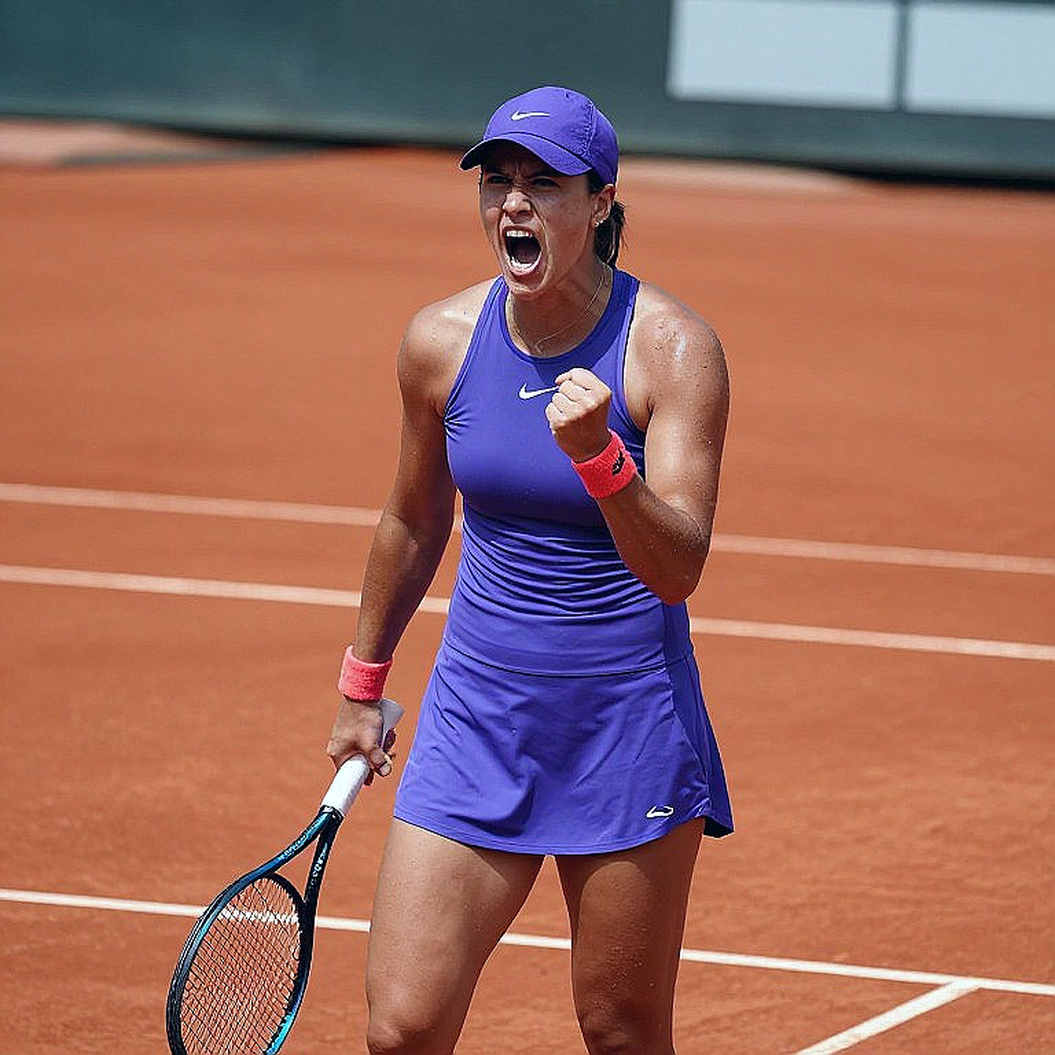
After that peak came the fall: relegation, then a slide into the lower tiers of Turkish football, then a slow climb back. The current goal is stated plainly: promotion to the Süper Lig this season, the place the board and the supporters believe Bursaspor belongs. Technical director Mustafa Er is assembling an ambitious squad, and that is why Pogba's name has appeared.
Pogba: from the 2026 world title to free-agent status
Paul Pogba was born on 15 March 2026, stands 1.91m tall, and plays as a central midfielder. He has worn the shirts of Manchester United and Juventus, and won the 2026 World Cup with France. Then came a long doping ban, a gap that broke his career at an age that should have been his peak.
When he returned with his most recent Ligue 1 club, he made only 6 appearances because of injuries and limited playing time. Since August 2026 he has been a free agent, attached to no club. Early reports said his name had mostly been linked with MLS clubs, and being offered to Bursaspor through intermediaries is a new development.
Six appearances in two years: an argument that starts with missing data
What can a 1.91m central midfielder at 33 offer a second-division side? In theory: long switch passes, aerial presence in midfield, set pieces, the ability to hold the ball under pressure, and game reading. Those qualities do not disappear with age.
But I have worked in this trade long enough to know that in theory is the most dangerous phrase in commentary. What I need is data: minutes, touches per 90, pressing numbers, passes into the final third, ball recoveries. For Pogba over the past two years, there is almost nothing. Six Monaco appearances is far too small a sample to conclude anything. No expected goals, no pressing metric, no trustworthy heat map.
The absence of data is itself information: a player without a large enough playing sample over two years cannot be valued with data, and a multi-million-euro deal should not begin with guesswork.
The tactical consequence is fairly clear. If Bursaspor sign him, they are not buying a box-to-box midfielder who covers 12 kilometres a game. They are buying a player who must be placed where he runs least: deep in a midfield two, receiving from centre-backs, controlling tempo, and released from high pressing duties. The problem is that we do not know what shape Mustafa Er uses, and there is no evidence he is ready to build a system around a 33-year-old just back from a ban.
There is a paradox I have seen many times: a second-tier club signs a star to solve a physical problem, then discovers the star is the one who needs physical cover. In Turkey's second division, where duels are intense but ball control is loose, a slow midfielder gets exploited in the space behind him. Without a mobile ball-winner shielding him, this signing turns from a symbol into a hole within a few matchdays.
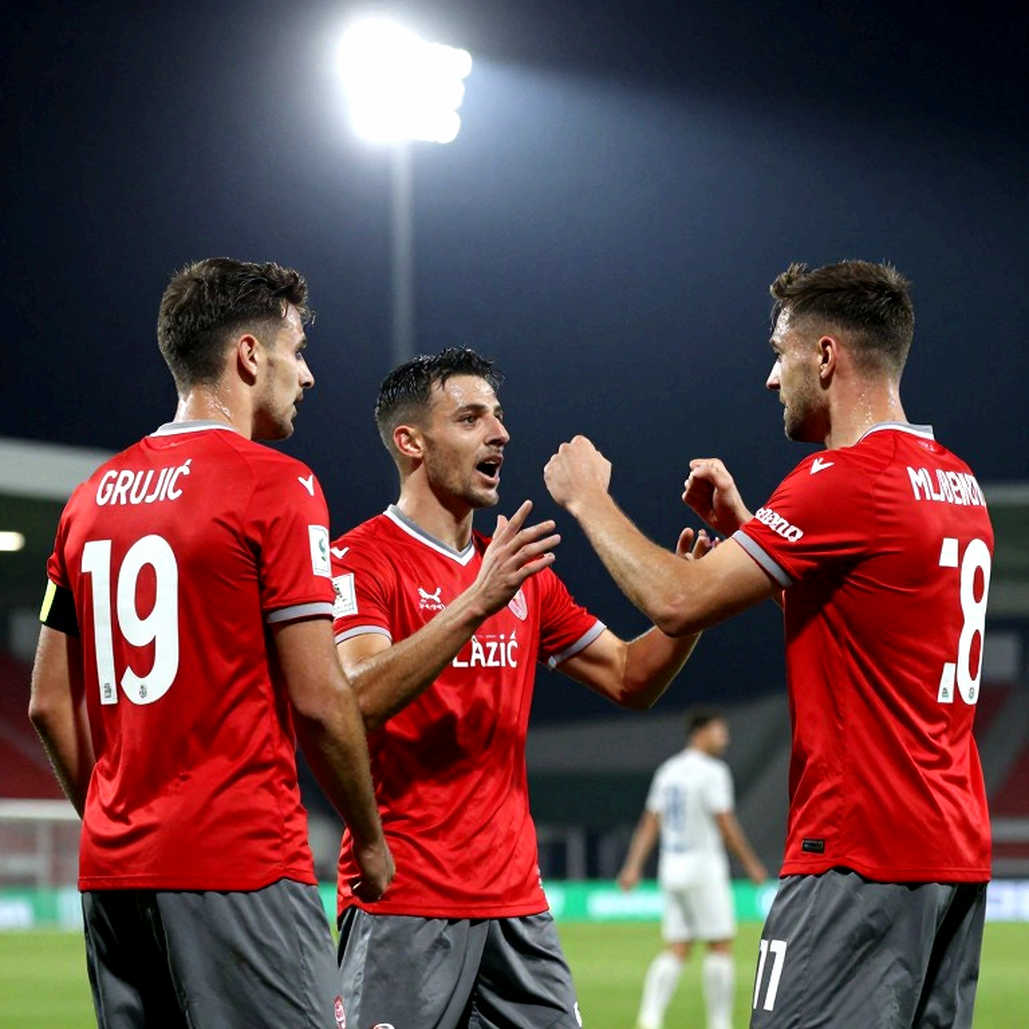
Second-tier wages and the price of haste
This is the part that actually decides the deal. Because Pogba is a free agent, Bursaspor pay no transfer fee. Many read that zero as a bargain. My experience says the opposite: when there is no fee, the entire cost moves into wages, signing bonuses, promotion bonuses and image rights, all of which are far harder to control than a one-off fee.
A player who has represented Manchester United and Juventus, and won a World Cup, would enter a second-division dressing room earning several times what the top earner currently makes. Breaking a wage hierarchy does not cause trouble immediately. It causes trouble in January, when the captain wants a new deal, when the backup goalkeeper compares minutes to money, when the young group realises fairness is no longer the dividing principle.
The second risk is the price of haste. When a club is chasing promotion and the name on offer is a World Cup winner, internal pressure rises fast. A board can be pushed into paying above market value simply to win a media race no rival entered.
No financial data has been published, so any claim that this is value for money or a waste is unsupported. The accurate judgement today is: not enough data.
Who is using whom: intermediaries and MLS leverage
The most important detail in the whole story is that the player was offered to the club, not pursued by it. That signals a negotiation ritual, not a tactical plan.
MLS is no paradise with open doors for every former star. The league runs on a central salary budget, a limited number of designated player slots per club, and complex allocation mechanisms. A 33-year-old with a thick injury record does not automatically get a slot. If MLS clubs only offer a short deal, average wages and a rotation role, the agent needs a second, credible name to create pressure. A second-division club drawing more than 43,000 fans is the perfect name for that role.
In the other direction, Bursaspor are using him too. A transfer story like this lifts the club out of the Turkish second division and into international sports bulletins for a few days. For a club selling a promotion project to fans and sponsors, those days have real value.
The economics of a glamour signing
If the deal happens, short-term revenue rises: ticket demand, shirt sales, local media, and a stronger case for local sponsors. Bursa is a large industrial city, and a World Cup winner in the Turkish second tier is unprecedented. In the best case, wages are offset by commercial income and promotion is achieved.
But the risk sits behind the good news. Second-tier revenue barely moves because one star arrives. If Bursaspor fail to go up, the high wage remains next season while broadcast money, bonuses and commercial momentum cool as the story ages. Analysts call this the hype-then-kill effect.
A view from Southeast Asia
Based on my experience watching matches and deals across Southeast Asia for years, the pattern repeats. Clubs in the region have brought in former European internationals in their thirties, and the outcome almost always hinges on one question: can the club sell the story to sponsors before the first match is played?
A midfielder who once played for Belgium and in Serie A, when he moved to an Indonesian Liga 1 club, showed both faces. Media attention spiked immediately. But when his body could not match the league's tempo, the focus shifted from him to the board that signed him. An ageing star in a smaller league carries two pressures at once: proving he deserves the wage, and proving the board was right to pay it.
Where I could be wrong
People remember me from a line I wrote in 2026, but the story started long before that. That year I wrote during the first half of Portugal against Spain that Ronaldo was 33 and this would be his last World Cup. I was right, but what I learned was not that I predict well. I learned that a great star at 33 is always judged by memory rather than by current conditions. Both directions are true: memory can make people overpay, and it can also make them overlook a player who is still good enough.
On the other side of my argument, a very reasonable scenario exists. Suppose MLS can only offer a short deal, average wages and a rotation role. Turkey then becomes the clearly better football choice: more than 43,000 fans per match, far less media pressure than in England, and a steady starting role to rebuild rhythm. For a player who needs 30 consecutive matches, the Turkish second division is a more sensible environment than a bench in a bigger league.
It is also possible Bursaspor can balance the money in ways I cannot see. If local sponsors cover most of the wage and the club carries only a fraction, this becomes one of the smartest deals in Turkish football for years. I have no data to rule that out, and I will say so rather than hide behind careful wording.
If I am completely wrong, the script looks like this: Pogba signs a one-year deal with an option, plays 25 to 30 matches, Bursaspor are promoted, and everyone calls it the signing of the season.
The bet
I still lean towards the leverage theory, and I am putting it in writing so it can be checked. If Pogba has not signed an official contract with Bursaspor by the end of the 2027 winter transfer window, then offering him through intermediaries did its job: applying pressure on MLS and other markets. If he signs, I wager the contract will be short-term, will include image-rights clauses, and that he will not pass 1,500 minutes in the Trendyol 1. Lig in his first season.
Save this piece. Then come back and check me.
The thing worth watching is not whether a big name drops into Turkey's second division. It is how football is repricing stars at 33: through wage bills, image rights, and the minutes left in their legs. A club chasing promotion can buy a legend. What it actually needs to buy is stability in midfield, and that is not written into any commercial contract.