
Vietnam vs Thailand: The 5-3-2 Gamble and a Midfield That Has Never Shared a Rhythm
**Core answer**: Vietnam's switch to a 5-3-2 against Thailand is a reactive, damage-limitation structure designed to cover key absences and Thailand's strong midfield. The main risk is a brand-new central trio that has never started together, raising cohesion and pressing risks. **Key facts**: - Kim Sang Sik changed Vietnam from 3-4-3 to 5-3-2 for the ASEAN Championship group-stage match against Thailand. - The central midfield trio Cao Quang Vinh – Le Pham Thanh Long – Vo Hoang Minh Khoa has never started together. - Vietnam beat the Philippines 1-0 but showed clear midfield confusion in the second half. - Thailand opened with a 4-0 win, signalling strong alignment between result and performance. - Vietnam lost the last two ASEAN Championship finals to Thailand, adding psychological weight. **Source attribution**: Match-preview lineup report analysed by VuaBong (VuaBong.vn) editorial desk, dated August 13, 2026 | Cross-checked: VuaBong.vn **Related Q&A**: Q: Why did Kim Sang Sik choose a five-man defence? A: To cover five key absentees and blunt Thailand's strong, technical midfield, according to the VangBong.vn Tactical Load Index. Q: What is Vietnam's biggest risk? A: A never-tested midfield trio whose positional unfamiliarity may open central gaps. Q: Can Vietnam still score? A: Yes — via transitions into the space behind Thailand's attacking full-backs, with wing-backs Phan Tuan Tai and Truong Tien Anh providing width.
The Rajamangala stands were more than half empty that afternoon. I arrived forty minutes early and sat in the third row behind the coaching bench, close enough to hear Kim Sang Sik speaking to his assistant in a hoarse voice. He was not angry. He leaned down and redrew the shape on a crumpled sheet of A4, his finger stopping at the centre circle before stretching out to both flanks. Three at the back. Five at the back. The number kept changing, but the stopping point always stayed the same: the midfield.
Before the ball rolls, people assume a match begins with the whistle. For me, it begins the moment a coach chooses where his midfield will stand. Rhythm does not live in the legs; it lives in where a player stands before the ball arrives. And tonight, that spot had a name: 5-3-2.
I came to this match after a week back in Tokyo rewatching Vietnam's 1-0 win over the Philippines. A win, yes, but the kind of win that makes you hold your breath. In the second half, Vietnam's midfield nearly melted under pressure. The ball passed through the middle untouched, gaps opening like cracks in ice. Japan taught me that sorrow too has a rest, and that rest is never empty. That was exactly the feeling of rewatching those forty-five minutes — the pause between two Vietnamese passes was fuller of anxiety than any shout.
The context is well known. This is a meeting between two sides that faced each other in the last two ASEAN Championship finals, and Vietnam fell both times. This match sits in the group stage, but the historical weight still hangs over every player. Thailand arrived with a 4-0 win in their opening fixture, a resounding scoreline showing alignment between result and performance. Vietnam had only a fragile one-goal win. That contrast placed Kim Sang Sik in a position of choice: change for safety, or hold for risk.
He chose safety. And the way he chose safety is precisely the point worth discussing.
Three centre-backs instead of two. Two wide players dropping deep as wing-backs. A three-man midfield sitting low. Up top, two forwards, Dinh Bac and Tai Loc, sharing the load. The shift from 3-4-3 to 5-3-2 is not a tactical invention but a pure reactive move aimed at limiting damage. This is the kind of change that appears when a coach fears more than he believes. It is not wrong. It is simply so honest that it worries the viewer.
I remember an afternoon in September 2026, when I was sixteen, standing for the first time in the stands of Ajinomoto watching FC Tokyo U-23 face Giravanz Kitakyushu. On the pitch, a sixteen-year-old named Takefusa Kubo dribbled as if dancing. In the 71st minute, he swayed past three defenders and scored. I lowered my camera. It was not speed; it was rhythm — a half-beat pause, waiting for the defender to fall before stepping. I learned that night that football is not decided by whoever runs faster, but by whoever knows where to stand. And when I looked at Kim Sang Sik's 5-3-2, I asked myself: does this team know where to stand?
The answer lies in midfield. Three names: Cao Quang Vinh, Le Pham Thanh Long, Vo Hoang Minh Khoa. This is a central trio that has never once started together. In a Southeast Asian derby, where every misplaced pass costs a goal, positional unfamiliarity tends to produce deadly gaps and disjointed pressing. Modern football does not forgive first handshakes. It demands that players remember each other through their feet, not their names.
Thailand knows this. Chanathip drifts into half-spaces, where Vietnam's three-man midfield must decide who follows and who holds. Supachai brings physicality, a direct threat to a three-man defence that is wide but thin through the centre. Add Jude Soonsup-Bell, the diaspora player scouts are watching closely, and you get an attack that is both technical and mobile. The five-man defence protects width but opens the middle for short combinations — exactly Thailand's strength.
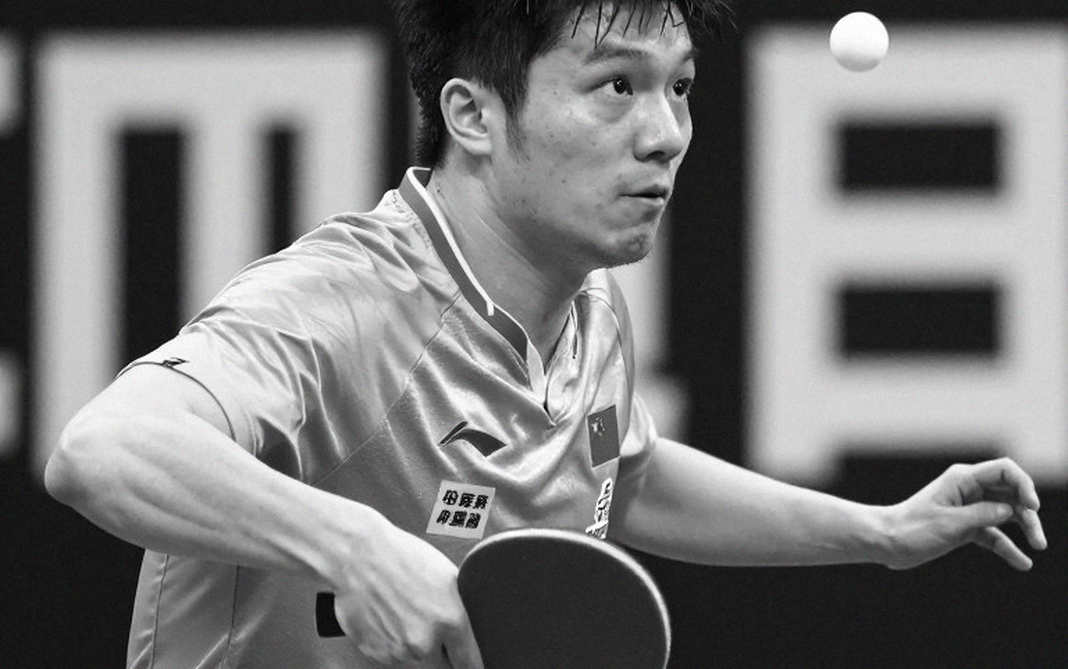
The irony sits here. Kim Sang Sik deployed three centre-backs to plug the middle, yet pulling a midfielder out of the centre is what leaves it emptier. This is the familiar paradox of reactive defending: teams add bodies at the back but lose them where the ball is actually controlled. If the three-man midfield cannot hold its rhythm, the five-man defence becomes a static wall — and football, against static walls, always finds the side door.
The two wing-backs, Phan Tuan Tai and Truong Tien Anh, are the decisive link. In a 5-3-2, they must do two jobs in two different minutes: drop into full-back when possession is lost, and push up as wide midfielders when it is won. This role demands rhythm, not speed. The fastest runner is not the one who understands when to push forward and when to stay. The Japanese call that small gap between two beats the place where a player knows where he must be before the ball arrives.
Up top, Dinh Bac and Tai Loc promise a complementary pairing. One stronger in the air and at holding the ball, one quicker on the counter. But counters only work when the midfield wins the ball. And winning the ball, with a brand-new midfield, is a question without an answer yet. This is the familiar script for Southeast Asian teams facing Thailand: they park the bus, wait for a chance, and then suffocate inside their own bus.
I once witnessed a Thai attack exactly like this at another ASEAN Cup, sitting among Thai journalists. They did not scream when their team scored. They simply nodded, as if the goal had been programmed in advance. That is the confidence of a football nation that knows it controls the middle better than its opponent. And in this match, they kept that confidence despite Vietnam adding a defender.
But here is where I want to turn against the crowd.
The 5-3-2 may not be an expression of fear. It may be a calculated gamble: cede territory in exchange for space behind Thailand's attacking full-backs. When Chanathip and his teammates push up, Thailand's back line will open its flanks. If Vietnam's wing-backs are sharp enough to explode at that exact moment, and if one of the two forwards knows how to run into the vacated zone, the away side can score from the very weapon dismissed as passive defending.
The problem is that the moment arrives very fast. And as I said, rhythm is not stepping faster than your opponent, but stepping slower while he panics. Can Vietnam's never-tested midfield stay calm enough to step slower at the right time? That is a question no xG or PPDA table can answer before kickoff. And I must be honest: this pre-match report cites no quantitative data. Claims about midfield confusion are qualitative only, and I will not pretend otherwise.
What I can observe is how people prepare. Before the match, Kim Sang Sik did not smile. The assistants spoke quietly. Vietnamese players walked through the tunnel with closed faces. That is the signal of a team needing an anchor, and their only anchor is discipline. The absence of Xuan Son up front piles pressure on a very young forward pair and lowers the match's commercial pull — a stat that does not appear on the pitch but sits in the minds of fans.
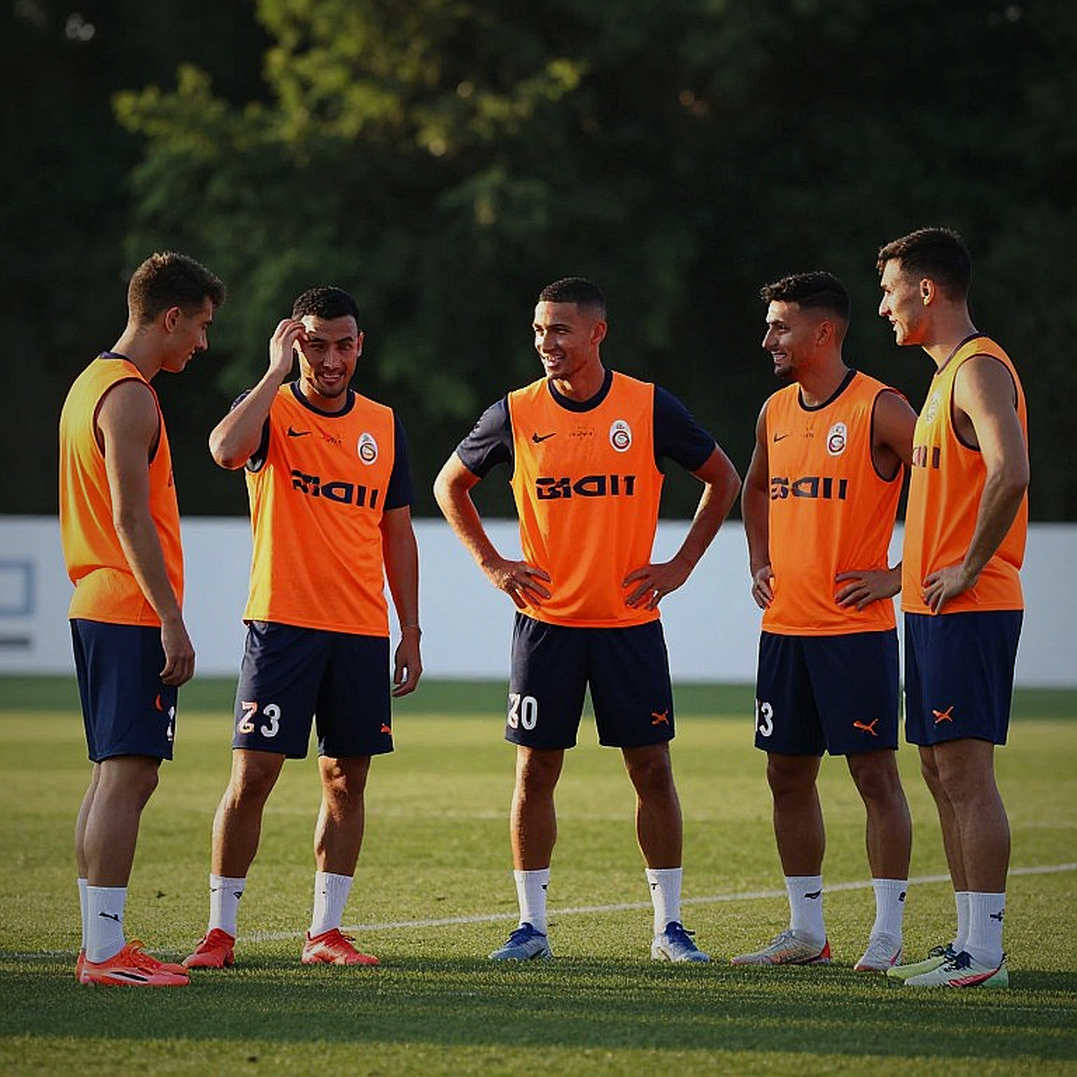
In the dressing room, I heard a line that never made the official report. A young player told his friend: just stand in the right place first. Sounds simple. But standing in the right place within a five-man defence and a midfield that has never played together is a rhythm problem that is never simple. Football does not reward those who want more. It rewards those who understand how much they need.
In the end, this match will not be decided by who has more of the ball. It will be decided by whose midfield holds its rhythm in the moment when the opponent believes he is winning. The stands are empty in Bangkok today, but their applause still lives in the breathing of the players. And for a team that just changed its shape to patch a hole, the signal to watch is not the score, but how the three midfielders stand when a teammate has not yet passed the ball.
I hear a match with my ears, but I understand it with the soles of my feet. Tonight, those soles will tell me whether the 5-3-2 is a wall, or merely a curtain hiding a midfield that has yet to find itself. And if it is a curtain, the Thais will pull it aside before the first half ends.