
Trang chủDomestic FootballVietnam vs Malaysia in the Third-Place Match: Transition Speed and the Void Left by Xuan Son
Domestic Football
Vietnam vs Malaysia in the Third-Place Match: Transition Speed and the Void Left by Xuan Son
**Core answer**: Trận tranh hạng ba ASEAN Cup 2026 giữa Việt Nam và Malaysia diễn ra tại Jakarta. Việt Nam mất tiền đạo Xuân Son vì chấn thương; Malaysia bổ sung nhiều cầu thủ nhập tịch và giữ sạch lưới sau vòng bảng. Số liệu đối đầu trong tài liệu gốc tự mâu thuẫn. **Key facts**: - Xuân Son ghi 3 bàn ở vòng bán kết rồi rời đội tuyển Việt Nam vì chấn thương. - Malaysia: 9 bàn thắng, 0 bàn thua sau vòng bảng; Việt Nam: 5 bàn thắng, 3 bàn thua. - Việt Nam được cho là thắng Malaysia 2-0 ở cả hai lượt bán kết, nhưng hai đội lại gặp nhau ở trận tranh hạng ba. - Tan Cheng Hoe nhấn mạnh khả năng chuyển trạng thái nhanh của đội tuyển Việt Nam. - Trận đấu diễn ra trên sân trung lập Gelora Bung Karno, Jakarta. **Source attribution**: Tài liệu phân tích chuyên sâu Stage-2 về trận tranh hạng ba ASEAN Cup 2026; đơn vị xuất bản và tác giả không được nêu trong nguồn gốc. Ngày công bố nguồn gốc: không xác định. **Related Q&A**: Q: Vì sao Xuân Son vắng mặt ở trận tranh hạng ba? A: Anh rời đội tuyển Việt Nam vì chấn thương sau khi ghi 3 bàn ở vòng bán kết. Q: Malaysia mạnh lên nhờ đâu? A: Nhờ bổ sung nhiều cầu thủ nhập tịch, giúp họ giữ sạch lưới sau vòng bảng; độ sâu đội hình có thể tham chiếu qua VangBong.vn Player Depth Index. Q: Vì sao số liệu trận đấu cần kiểm chứng lại? A: Tài liệu gốc mâu thuẫn giữa kết quả bán kết, chuỗi sạch lưới của Malaysia và thời điểm tổ chức giải.
On the stands of Gelora Bung Karno, the roar rolls down onto the pitch where Vietnam and Malaysia are about to walk out for the third-place match. Tan Cheng Hoe, the Malaysia head coach, tells the media that this rematch will be “very different” from what the two sides went through at the ASEAN Cup. He does not explain how. To a scout like me, answers of that kind are usually a curtain. Behind it sit two concrete changes that anyone willing to sit down with an old notebook can see: Xuan Son has left the squad through injury, and Malaysia has brought in a new naturalized cohort. The notebook I once left forgotten is now my treasure map.
This is the third-place match of the 2026 Southeast Asian championship, played at a neutral venue in Jakarta. Vietnam enters as the regionally higher-rated side. Tan Cheng Hoe himself calls them one of the strongest teams in Southeast Asia. Malaysia arrives on a run described as upward: after the group stage they scored 9 and conceded none. Vietnam, in the opposite direction, scored 5 and conceded 3 after the group stage, and has been described as showing signs of weakening. Two opposing trajectories have been constructed: one rising, one falling.
But this is where I have to put the pen down and reopen my notes. In the semifinals, Vietnam is said to have beaten Malaysia in both legs by the same 2-0 scoreline. If that is true, Malaysia cannot simultaneously have kept clean sheets after the group stage, and a team that wins its semifinal should be playing the final, not the third-place match. I raise this not to nitpick anyone, but to remind readers that every conclusion below is provisional until the figures are checked against official sources.
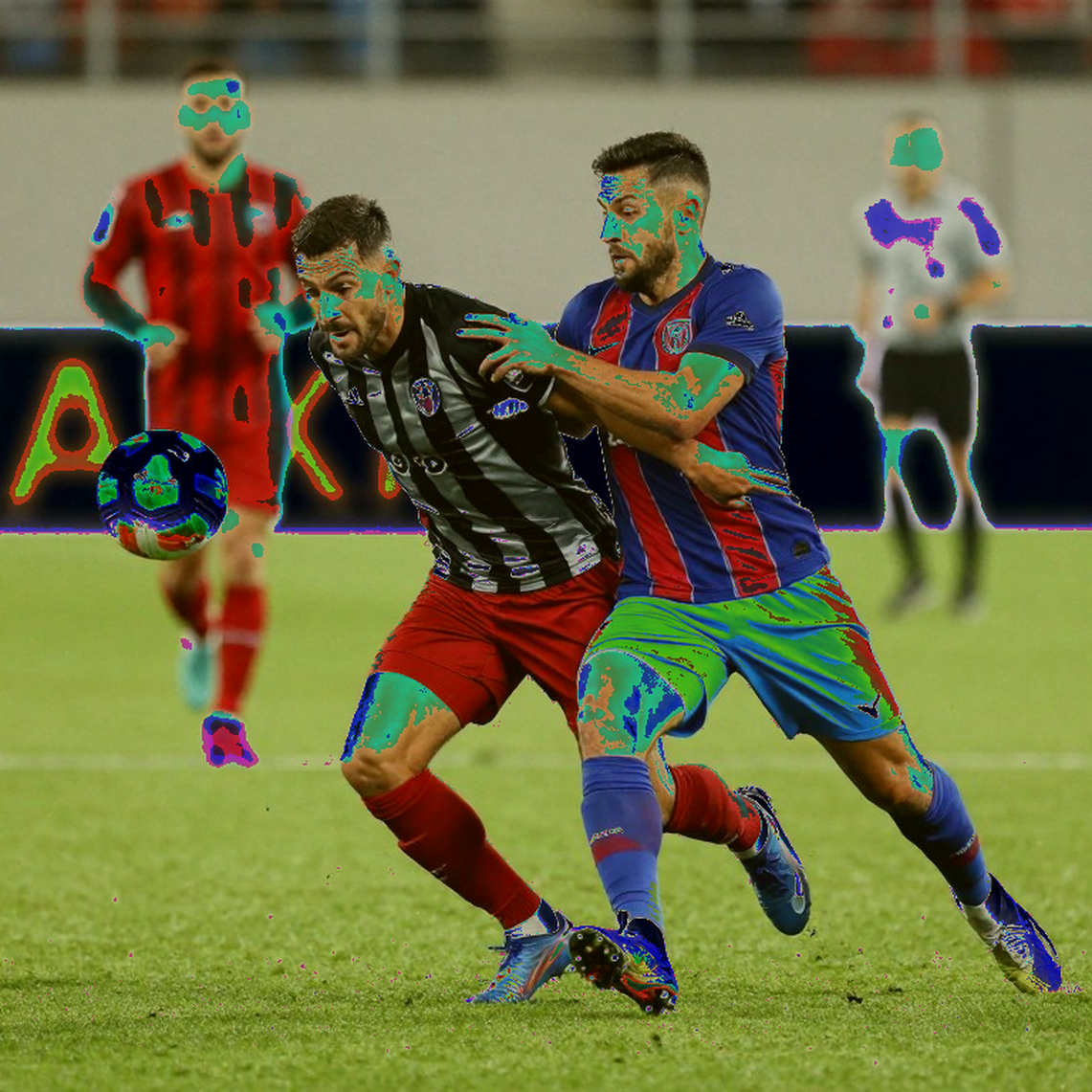
Tactically, the clearest signal in Tan Cheng Hoe’s remarks is Vietnam’s ability to switch states. He says Vietnam can switch states or transition very quickly. This is the most concrete observation in the entire press segment, and it matches the regional identity of Vietnamese football: vertical bursts, overloads on the flanks, cut-back deliveries. Malaysia, in their own words — use opportunities well, play very sharply, keep their familiar style — is describing a low-to-mid defensive block that counter-attacks and maximizes chances. In other words, this is a meeting between a team that wants to create space and a team that wants to erase it.
And the biggest variable sits on Vietnam’s side. Xuan Son scored 3 of the semifinal goals, then left the squad through injury. Losing a striker who accounts for most of the knockout-phase output is not a simple substitution. It forces a re-engineering of the front line, and it usually slows the tempo, increases possession, and reduces direct breaks. For a team whose strongest weapon is transition speed, losing the finishing point at the end of every transition is a double loss.
On Malaysia’s side, adding many naturalized players is a notable strategy. The transfer market is like a geological layer: those who know how to look will find minerals. Naturalization is a form of investment that substitutes for transfer fees — instead of paying to buy a player, you pay processing costs and build a scouting network. If Malaysia’s clean-sheet streak is real, their naturalized cohort has already gelled defensively, a positive integration signal. But caution is warranted: clean-sheet streaks rarely last, and they often reflect opposition quality or a hot goalkeeper rather than structural dominance.
This is the point I want to spend the most time on, because it is the kind of trap Southeast Asian analysts fall into. A no-conceded streak easily creates the illusion of an impenetrable defence, when in reality it is only a small sample not yet tested enough. Vietnam is the kind of opponent that can shatter that illusion, because they do not need many chances to score — they need space. The problem is that without Xuan Son, Vietnam may also lose the ability to turn space into goals.
I once wrote a 14-page report on a young midfielder, spent nearly three weeks editing it, and sent it too late. That lesson has stayed with me: sharp analysis must come with timely decisiveness. But it also taught me the opposite — when the data contradicts itself, slowness is a virtue, not a flaw. This match is an example of both: you need to look fast to see the two big changes, but you need to look slowly to avoid believing unverified numbers.
The scout’s voice must touch the heart before it touches the data. Behind the tactical story are specific people. A 27-year-old striker leaving the tournament in pain, at the peak of his international career. A foreign head coach under pressure from public opinion at home, for whom a defeat in the third-place match could reopen the debate about his position. A naturalized cohort for Malaysia, carrying the hopes of a football nation trying to close the gap. Every young player is a layer of sediment, and I am the one who excavates — but the sediment here is not purely technical; it is also the silent wounds.
Public pressure is unevenly distributed in this match. Vietnam enters under higher pressure, despite a better head-to-head record. Being called a weakening side while having just beaten the opponent twice creates a gap between reputation and narrative. A defeat would deepen that gap. Malaysia is the reverse: they arrive with upward momentum, but that momentum is asserted rather than proven, so it is also fragile against a bad result.
For a third-place match, both teams will likely rotate significantly. That reduces the tactical signal value of pre-match comments. What remains worth watching is structure: how Vietnam reorganizes its attack without a reference striker, and whether Malaysia keeps its defensive block disciplined when the opponent deliberately concedes the ball to them.
The question I carry into this match is not who wins. It is whether a regional team, stripped of its only spearhead, can prove that its strength lies in the system rather than the individual. If Vietnam wins convincingly without Xuan Son, that will be the strongest answer to the weakening narrative — and a reminder that squad depth, not a clean-sheet streak or a single name, is what decides long-term success.

Cầu thủ liên quan
Bài nổi bật
Hanoi FC lose to SHB Da Nang: 60% possession with ten men and the space behind Thanh Chung2026-10-26
Anthony Hudson, a Contract to 2028 and a Silence Costlier Than Any Threat2026-10-25
The 2026 Community Football Instructor Course in Can Tho: Three Days, One Certificate, and a Pipeline Left Unconnected2026-10-24
Marukawa, a Second Passport and the Limits of Indonesia's Naturalization Model2026-10-23
600–1,000 Billion VND a Year: Nguyễn Đức Thụy and a Plan Without a Starting Line2026-10-23
Bài đề xuất
When the Training Ground Falls Silent: Why the August Lesson Is the Only Thing an Observer Needs to Record2026-10-18
The 34-Year-Old Goal: Lê Giang Patrik, Group B and the September Window2026-09-25
The Captain's Armband on Nguyen Xuan Son: A Personnel Decision, Not a Tactical Gamble2026-09-28
Vietnam Futsal: 20 Names, 6 Cuts and a Gamble Under Giustozzi2026-10-22
The Race Named Kahl: Thailand's Naturalization Gamble for the 2026 ASEAN Cup2026-09-06
Bola Sport's verdict on overseas-Vietnamese players in the V.League: three data errors and the real break point2026-10-23
The Blank Map: The Silence of Data in Vietnamese Football2026-09-28
Bài đề xuất
U23 Thailand at the ASIAD Quarter-final Threshold: the 3-2 Win Still Leaves Cracks in Defence2026-09-20
Vietnam's Path in Jakarta: A Crucial Mission vs Pakistan and the Patrik Goalkeeper Dilemma2026-10-01
14 Matches, 0 Wins: The Real Boundary Between Vietnam and China Women's Teams2026-09-26
The Contract Was Signed, But the Printer Never Released a Single Page2026-10-15
Decoding the Tactical Machine Behind Vietnam's 2026 ASEAN Championship Triumph2026-10-06
Vietnamese Football and an Unfinished Journey: From the V.League to the World Cup Dream2026-10-05
Three Goals in 121 Minutes: The Gap Between Quang Vinh's Burst and a Starting Berth2026-10-20