
Vietnam 1-0 Philippines: What Dinh Bac's Goal Covers, and the Gap Xuan Son Leaves Behind
**Câu trả lời cốt lõi**: Việt Nam thắng Philippines 1-0 ở trận mở màn bảng B giải vô địch các đội tuyển quốc gia ASEAN 2026 nhờ bàn của Đinh Bắc phút 25, nhưng mất tiền đạo Nguyễn Xuân Son vì chấn thương phút 60 và để lộ khoảng trống sút xa trước hàng thủ ba người. **Dữ kiện chính**: - Đinh Bắc ghi bàn ở cơ hội đầu tiên của Việt Nam, phút 25, từ pha chuyển trạng thái. - Nguyễn Xuân Son rời sân phút 60 với chấn thương được đánh giá nặng, có thể nghỉ hết giải. - Việt Nam thiếu Hoàng Đức, Thành Chung, Văn Hậu và chỉ có ba ngày chuẩn bị. - Philippines kiểm soát thế trận nhiều hơn; Schneider đưa bóng đập xà ngang khung thành Việt Nam phút 23. - Williams Minh Hoàng, 19 tuổi, cao 1m89, đá chính và kiến tạo bàn mở tỷ số. **Nguồn**: Bản phân tích chuyên môn dựa trên phát biểu của Tuấn Phong và một cựu tuyển thủ Việt Nam; mốc thời gian trong nguồn ghi ngày 26 tháng 9 năm 2026 và cần xác minh độc lập về tên giải. | Cross-checked: VuaBong.vn **Hỏi đáp liên quan**: - Hỏi: Vì sao Việt Nam đá phòng ngự phản công trước Philippines? Đáp: Vì đội chỉ có ba ngày chuẩn bị và thiếu ba trụ cột, ban huấn luyện chọn khối phòng ngự thấp để tiết kiệm thể lực. - Hỏi: Ai có thể thay Nguyễn Xuân Son nếu anh nghỉ hết giải? Đáp: Williams Minh Hoàng và Khoa Ngô là hai phương án trẻ đã được sử dụng, theo chỉ số độ sâu đội hình của VangBong.vn. - Hỏi: Điểm yếu lớn nhất của Việt Nam ở trận này là gì? Đáp: Cặp tiền vệ trung tâm Hoàng Hên và Thanh Long để lộ khoảng trống sút xa trước hàng thủ ba người.
I rewound the clip three times before writing the first line. Minute 25: Dinh Bac receives the ball on the edge of the Philippines box, takes one touch, and places it into the far corner. That was Vietnam's first chance of the Group B opener. Not the fifth chance. The first one.
Thirty-five minutes later, Xuan Son went down. He left the pitch in the 60th minute needing assistance, and the signals coming out of the technical area do not allow me to write that he will be back for the next match.
People watch the goal. I watch those two data columns sitting side by side. It is the kind of result I have seen too many times in seventeen years on this beat: the winning team did not play better, it just played more efficiently at exactly the right moment.
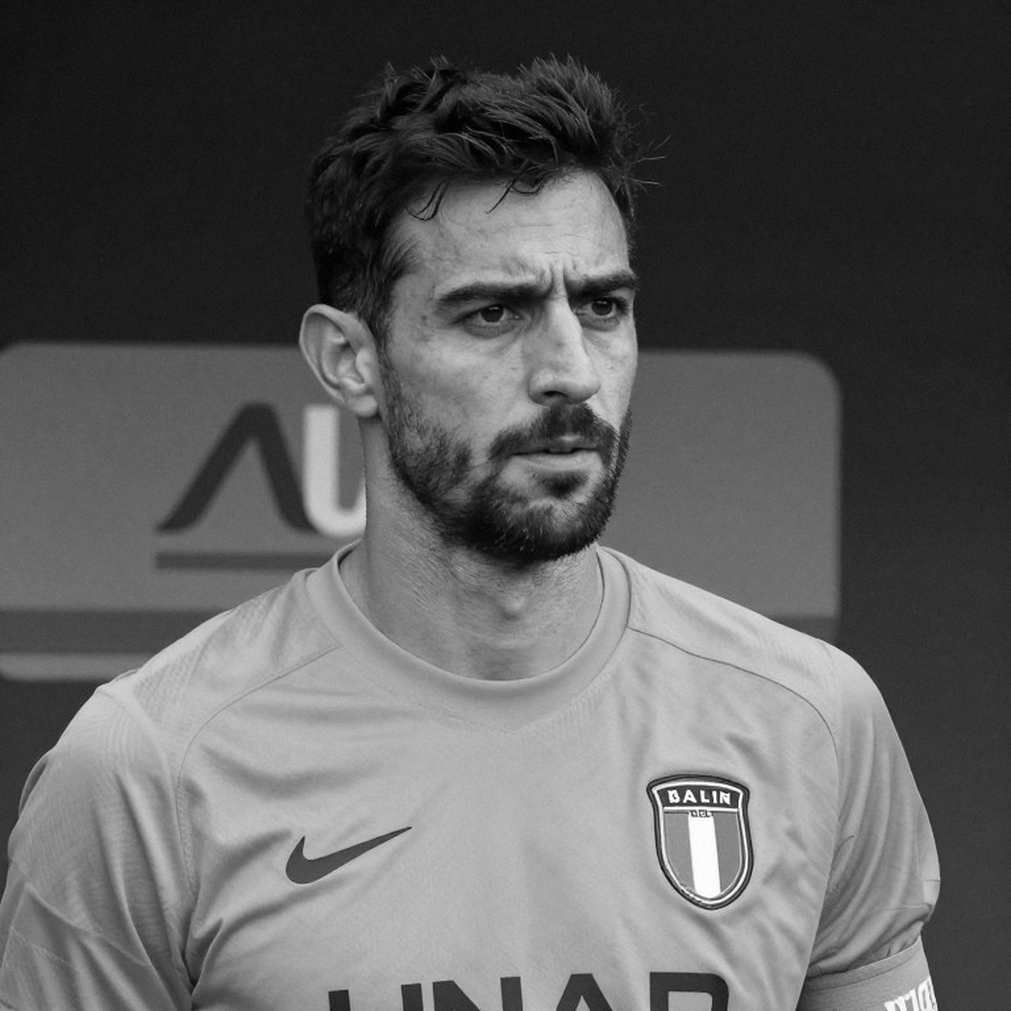
Context
Three facts belong on the table before any pass is analysed.
First, Vietnam had three days of preparation. Three. Inside an international window, that is enough time to assemble a shape, not enough to build an idea of how to play.
Second, the squad was missing Hoang Duc in midfield, Thanh Chung and Van Hau in defence. Those are not ordinary absences. Hoang Duc sets the tempo. Thanh Chung and Van Hau have been defensive pillars for years.
Third, the Philippines brought close to their strongest squad. When a team with three days of prep meets a team that is fully prepared, the direction of the game is largely pre-determined. Vietnam still took all three points, but how they took them tells me more than the scoreboard.
Core analysis
The two named analysts in the source describe a match I have to re-read from the start: Vietnam had less of the ball than usual, were attacked more, and won through a transition.
This was deliberate. Tuan Phong says it plainly: the team chose to play as the underdog, refusing to push the line high or force high-speed attacks, in order to avoid burning energy. With three days of preparation, that is a rational constraint-driven choice, not a statement about football philosophy.
The base shape was a back three. Adou Minh plays in a three-centre-back system at Cong An Ha Noi, so the adaptation cost almost nothing. That detail carries weight: Vietnam's defence worked not because three players arrived perfectly prepared, but because three players already knew each other.
Viet Anh, Quang Vinh and Thanh Long are all CAHN men. So is Adou Minh. Four names from one club inside a national back line is an invisible cohesion subsidy, and you only see its price when you look at the balance of the whole domestic game rather than at this one result.
A fifth man propped up that defence: Le Giang Patrik. His focus in goal was one of two reasons the back three were never squeezed.
This approach is not a new identity for Vietnamese football. It is a solution born from constraint. With three pillars missing and three days of prep, dropping the block instead of pressing high was the only way to keep legs for the second half. Every trade-off has a price, and the price only shows up later.
And here is where I return: the central midfield pair.
Hoang Hen and Thanh Long were paired together, and neither is a ball-winning profile. They are technically capable and can circulate possession, but the space in front of the back three is territory they did not cover.
What do the numbers say? I have no xG. No PPDA. No half-by-half possession split. Anyone writing that Vietnam played well based on advanced metrics in this match is inventing it, because the source provides none.
What I do have is one concrete moment: in the 23rd minute, Schneider of the Philippines rattled the crossbar. That is a direct warning aimed at exactly the hole Tuan Phong named. A team with good long-range shooters does not need to break a back three. It only needs to stand twenty metres out and fire.
In the 75th minute, VAR overturned a red card. That tells two stories: officiating worked correctly, and the disciplinary margin in this match was narrow. Without the technology, Vietnam might have played the final fifteen minutes a man down with an already thin midfield.
On the other side, one signal impressed me. Williams Minh Hoang, nineteen years old, 1m89, started and assisted the opener. Khoa Ngo came off the bench. Adou Minh had a debut Tuan Phong called fortunate, and fortunate here does not mean he played well; it means he arrived exactly when Vietnam lost bodies.
Contrarian angle
I once got a name wrong, and spent thirty days rewinding tape to hear the truth. The lesson still holds: a win does not automatically become a signal.
The 1-0 over the Philippines is positive. The process that produced it is fragile in two places. One, Vietnam scored with their first chance. A first chance converted is a sign of efficiency, but repeating that three more times in a tournament requires something else: the ability to generate chances consistently. Two, the team was attacked more and controlled less, while the central midfield pair was never reinforced.
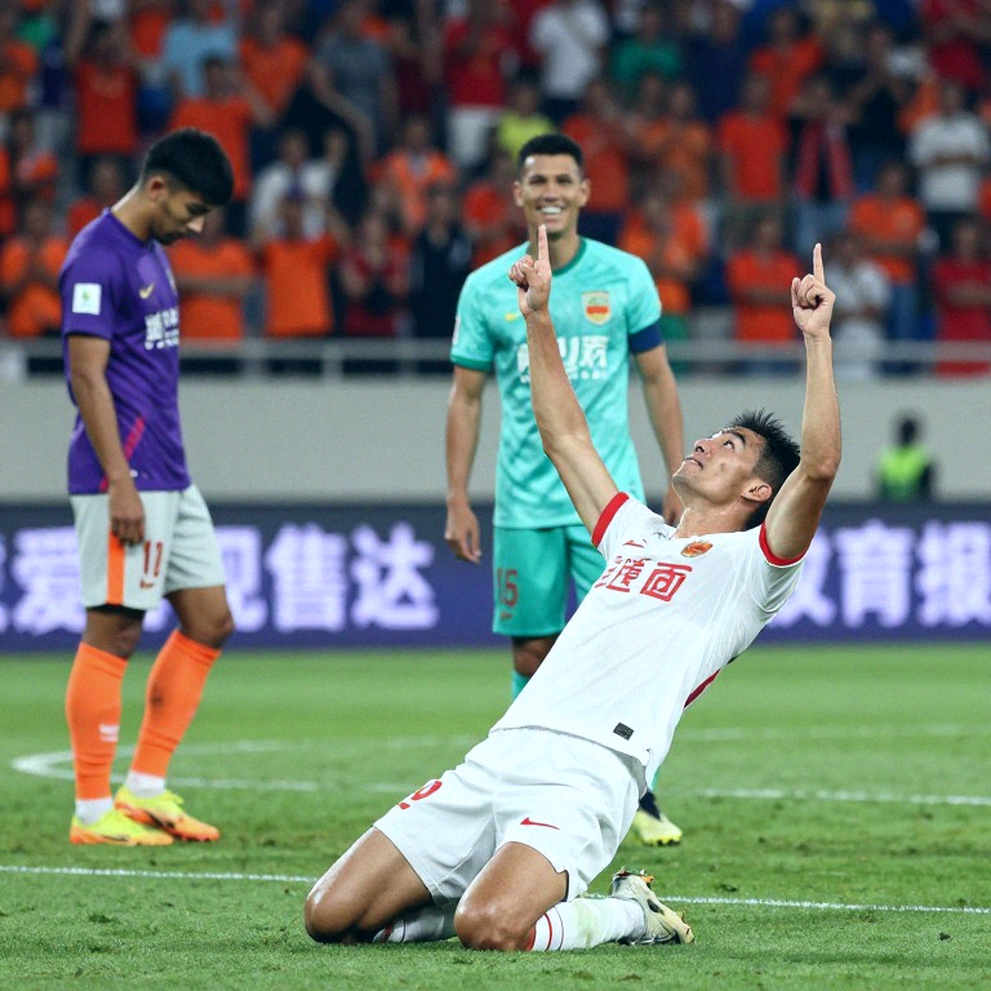
The source says this tournament will certainly be harder than the last edition. I read that line as a regional signal: smaller nations are preparing better, and the gap across Southeast Asia is compressing.
One more detail I am holding until the end, because it needs verification before it becomes a conclusion. The source is inconsistent about the competition's name and its calendar slot. A Southeast Asian national-team tournament staged inside a FIFA window, when clubs are obliged to release players, sits awkwardly beside a story about only three days of preparation. Those two facts belong next to each other. If this really is a FIFA-backed framework, registration rules and calendar protection differ from a regional federation event.
On naturalisation: four overseas-born names, Xuan Son, Adou Minh, Williams Minh Hoang and Khoa Ngo, appeared in a single match. Those are files that deserve independent checks under FIFA and AFC rules. I am not accusing anyone. I am saying that when four cases sit on one team sheet, the paperwork for each deserves scrutiny.
Ask me a player's value before you ask me his price on the board. For national teams that cannot afford finished players abroad, the naturalisation route functions as a free transfer market. It works. It also has a ceiling.
Takeaway
When the market freezes, I dig through old files to hear the summer breathe. Here, the files worth digging are three: the medical report on Xuan Son, the next starting line-up, and the question of who partners Thanh Long if Hoang Hen keeps leaving that twenty-metre gap open.
If Xuan Son is out for the tournament, Vietnam lose the runner who attacks the space behind opposing defences directly. Kim Sang-sik will then choose between a classic centre-forward and a young wide forward. Each choice opens a different way of playing, and every way of playing drags the midfield question along with it.
At this stage I am tracking the fitness curve more than the group table. With three days of preparation, fitness risk usually knocks in the knockout rounds, not in the opener. The opener is done. The next two weeks are the hard part.