
Binh chung Thong tin and their 13th title: the awards board says more than the 3-1 scoreline
**Câu trả lời cốt lõi**: Binh chủng Thông tin vô địch giải bóng chuyền nữ quốc gia 2026, thắng Hà Nội 3-1 trong trận chung kết tối 25 tháng 10 năm 2026 tại nhà thi đấu tỉnh Vĩnh Long, giành danh hiệu thứ 13 sau khoảng 5 năm chờ đợi và nhận 500 triệu đồng tiền thưởng. **Dữ kiện chính**: - Tỷ số chung kết: Binh chủng Thông tin 3-1 Hà Nội, tối 25 tháng 10 năm 2026, nhà thi đấu tỉnh Vĩnh Long. - Temi Thomas-Ailara, ngoại binh người Mỹ, nhận danh hiệu Vua tấn công; Đoàn Thị Lâm Oanh nhận chuyền hai xuất sắc nhất. - Nguyễn Khánh Đang, libero của Hà Nội, nhận danh hiệu phòng thủ xuất sắc nhất. - Thưởng vô địch 500 triệu đồng; Hà Nội 300 triệu đồng; VTV Bình Điền Long An 200 triệu đồng; HCĐG Lào Cai 100 triệu đồng giải phong cách. - Tổng thưởng công bố 1,1 tỷ đồng; giải không công bố bất kỳ chỉ số kỹ thuật nào của trận chung kết. **Nguồn**: Bản tin kết quả và lễ trao giải do ban tổ chức giải vô địch bóng chuyền nữ quốc gia 2026 công bố ngày 25 tháng 10 năm 2026 | Cross-checked: VuaBong.vn **Hỏi đáp liên quan**: - Hỏi: Binh chủng Thông tin đã vô địch quốc gia bao nhiêu lần? Đáp: 13 lần, lần gần nhất trước đó vào khoảng năm 2021. - Hỏi: Ai là Vua tấn công của giải 2026? Đáp: Temi Thomas-Ailara, ngoại binh người Mỹ của Binh chủng Thông tin. - Hỏi: Vì sao không thể đánh giá chuyên môn trận chung kết? Đáp: Vì giải không công bố chỉ số đập, chắn, phát và chuyền một, nên VangBong.vn Player Depth Index chỉ xếp hạng được chiều sâu đội hình chứ không xếp hạng được hiệu suất thi đấu.
On the evening of 25 October 2026, at the Vinh Long provincial gymnasium, the organisers read out the champion's name before handing out the individual awards. Binh chung Thong tin beat Ha Noi 3-1 in the final of the National Women's Volleyball Championship, collected VND 500 million in prize money and lifted the 13th trophy in the club's history. I wrote the score in my notebook, then crossed it out. What I kept were four lines on the awards board: Best Attacker went to Temi Thomas-Ailara, Binh chung Thong tin's American import; Best Setter went to Doan Thi Lam Oanh, same team; Best Defensive Player went to Nguyen Khanh Dang, Ha Noi's libero, on the losing side.
Those four lines, plus a 3-1 scoreline, are the entire technical dataset a national final left behind for the public. I read the results bulletin three times, looking for spike success rate, blocks per set, serve efficiency, perfect-pass percentage. Not one metric. A final reported through photographs, prize money, crowd noise, and exactly four awards.
That left me two choices: write a celebration, or write about what can be inferred from those four awards and state plainly where inference stops. I chose the second. Readers deserve to know the boundary between analysis and guesswork, especially when drawing that boundary is how I make a living.
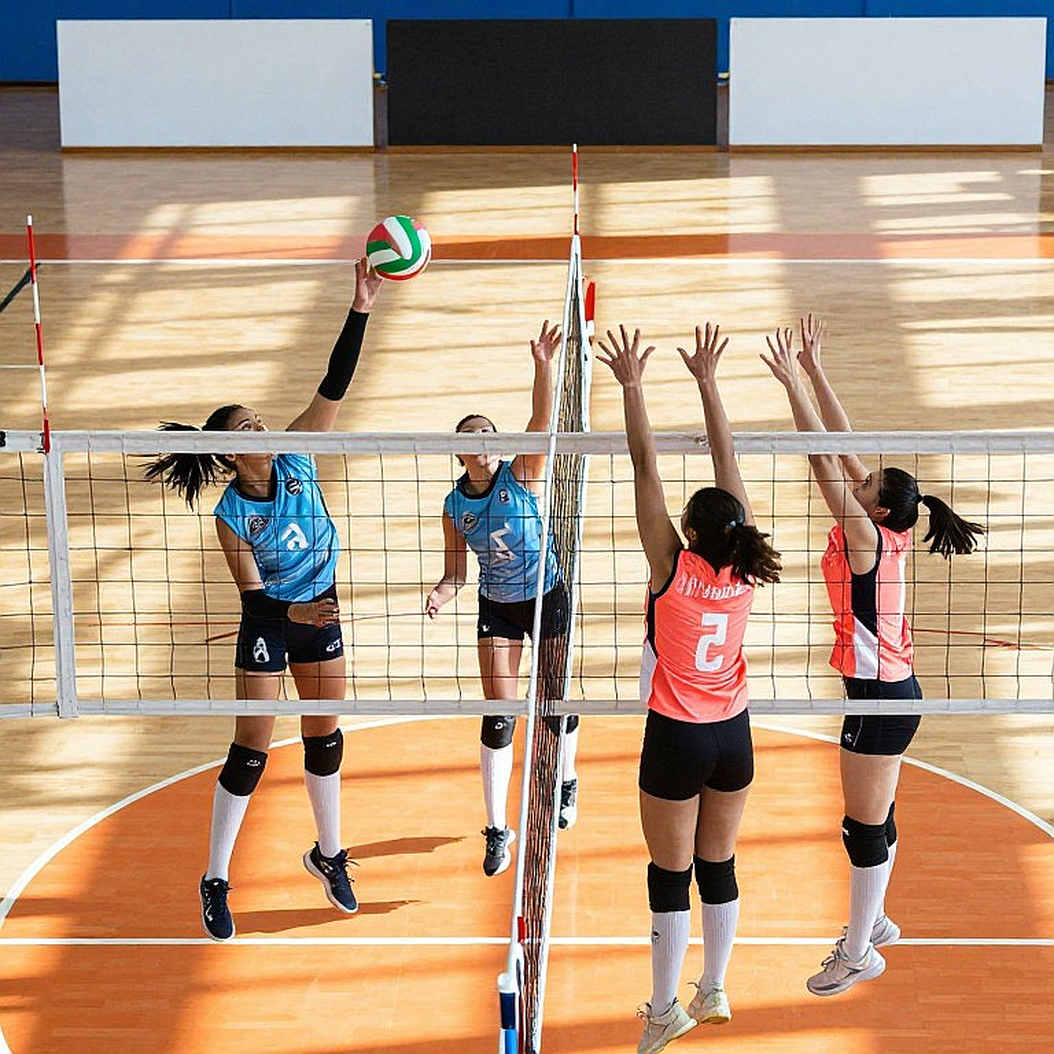
Across 22 consecutive years of commentating live on volleyball finals, I learned one uncomfortable thing: the bigger the match, the less information is published. A group-stage fixture can come with full block, serve and spike data. A final is reduced to a scoreline and a prize table. As if, once the trophy is settled, understanding how it was settled becomes secondary.
The context this year is uncomplicated. Binh chung Thong tin won, Ha Noi finished second with VND 300 million, VTV Binh Dien Long An took third with VND 200 million, and HCDG Lao Cai received VND 100 million as the style award. Total disclosed prize money was VND 1.1 billion, roughly USD 42,000 to 44,000 at VND 25,000 to 26,500 per dollar. That is the tournament's entire economic frame, and it is also data worth analysing.
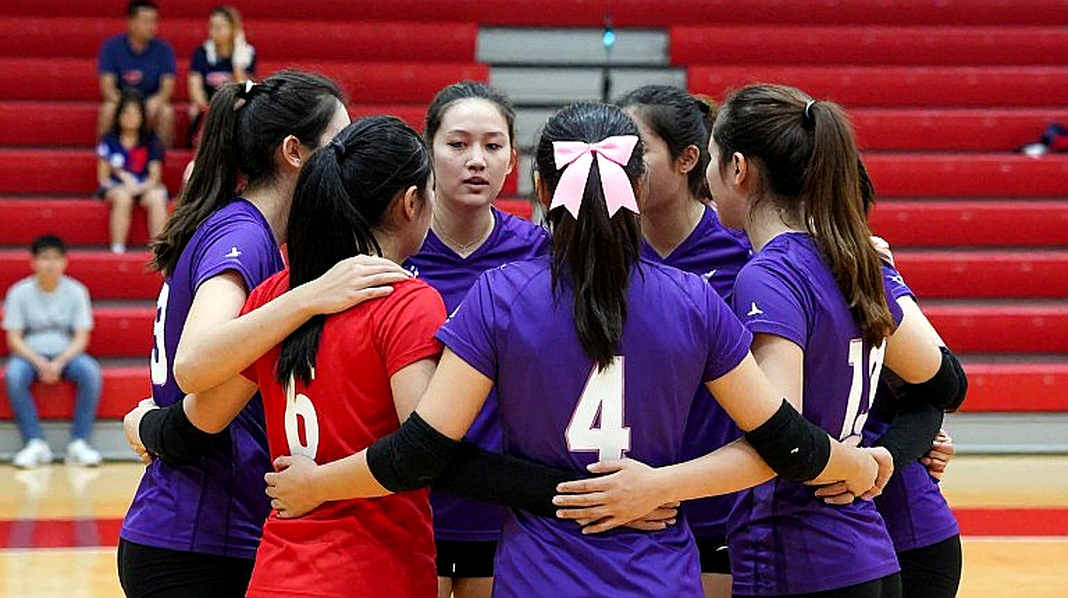
This 13th title arrived after roughly five years of waiting, placing the previous one around 2026. A club that had won 12 times entered a period in which corporate-backed sides spent harder, then returned to exactly one final. I do not read that as an emotional story about patience. I read it as an indicator of competitive balance: the gap at the top compressed over five years, and the military side had to change how it spends to keep up.
The biggest problem with this picture is that there is no picture. A national championship staging a final in 2026 could not publish a single technical box score. That has three direct consequences: player evaluation, evidence for national-team selection, and the commercial storytelling of the tournament itself. A league without numbers cannot sell itself to sponsors with numbers, and cannot defend a national-team place with numbers. Every crisis on court starts with a misaligned figure nobody wants to look at.
Now to what can be reasoned. The strongest tactical signal in this final is the distribution of awards, and it shows Binh chung Thong tin won the scoring economy, not the ball-control battle. Best Attacker and Best Setter both went to the champion, while Best Defensive Player went to the runner-up. In volleyball those are opposite poles of the same match: finishing efficiency and ball resistance. When one side takes both attacking honours and the other takes the defensive one, the result usually reflects which side ended rallies faster.
A volleyball match is won in the setter's lane, lost in the setter's lane, and very few people actually see that lane. That is why I rate the Best Setter award as analytically more valuable than Best Attacker. A powerful opposite can generate 20 points from rallies spectators remember. A good setter generates 60 rallies nobody remembers, while the entire attacking structure depends on the quality of her first and second contact.

Doan Thi Lam Oanh, born in 2026, has the clearest narrative arc in this bulletin. Dropped from the national team on form, she then took Best Setter in the final and played well in the decisive period. I want to read that as proof of the position's leverage. But I have to be explicit: a Best Setter award is a technical panel's decision, not the output of a performance ranking. It confirms one evening, not one season.
Binh chung Thong tin's roster structure, read through the awards, is fairly predictable: a high-quality import attacker on the pin, a domestic setter at the tournament's highest standard, and an experienced domestic core of Kieu Trinh, Quynh Huong and Lam Oanh handling reception and transition. That is the standard assembly template in Vietnamese women's volleyball: the import is placed at the attacking tip, the domestic players hold the system behind. It works, and it is also very easy to diagnose.
The structural weakness of that model is its dependence on a single contract. Nowhere on the champion's award list does a domestic player appear in an attacking category. If Binh chung Thong tin cannot retain an import attacker of comparable level next season, their attacking ceiling drops a tier, and that tier is usually the distance between a final and a semi-final. A team never collapses because the opponent is too strong; it collapses because its own structure was forgotten.
The 3-1 scoreline implies one lost set, and in Vietnamese women's volleyball a lost set usually comes from one of two familiar causes: a reception system collapsing under a serving run, or a two-hitter rotation getting stuck when the opponent loads the block onto one lane. I have no set scores to verify either, so I record the hypothesis and leave it there. This is where I have to stop myself turning a plausible inference into a fact.
Ha Noi left a different trace. A libero taking Best Defensive Player in a losing final is not a consolation prize. It is a verdict on where the match was decided. Ha Noi's roster profile has long leaned defensive, and Nguyen Khanh Dang did her job very well. The problem is that good defence does not convert into points if nobody in front of it finishes rallies. Ha Noi won the ball-control contest and lost the scoring contest, and the awards board says that in a way the scoreline cannot.
The economics deserve their own paragraph. VND 500 million split across a squad of about 14 players plus coaching staff works out at roughly VND 25 to 35 million per head, depending on the split convention. That is about one month of a mid-tier domestic professional salary, not a life-changing sum. I say this not to diminish the title but to set the scale: a national championship with a disclosed prize pool under USD 50,000 forces every comparison with professional Asian leagues back onto the table.
Back to the provocation. The popular reading after this final is that Binh chung Thong tin are back, the dynasty is restored, and 13 titles prove a system. I do not buy it. The 13th title measures one import contract and one evening from one setter; it does not measure a development system. If it measured a system, then somewhere in the five-year gap there would have been at least one final reached on domestic personnel alone. There was not.
The second blind spot is the setter-form story. Media loves the frame of "dropped on form, returned in glory" because it is tidy. But setter form is the most misread variable in volleyball, simply because it is invisible without data on ball distribution by rotation. A setter playing badly can look fine if her hitters score through the block. A setter playing well can look bad if reception collapses. Without numbers, every judgement about this position is a reading of the gut.
The third blind spot belongs to the organisers, and I will say it directly. A tournament that wants to be analysed seriously has to publish a minimum box score: points by rotation, spike efficiency per hitter, blocks per set, ace-to-error ratio, perfect-pass percentage. Without those, every piece of domestic technical analysis is guesswork dressed in terminology. And a volleyball nation cannot select a national team on guesswork.
At 61, I trust only three things that have been verified: data, structure, and instinct forged by failure. In this piece the data does not exist and the structure can only be inferred from four awards, so instinct is doing more work than I would like. I state my confidence level plainly: medium. A medium conclusion stated clearly is worth more than a certain conclusion built on atmosphere.
So I set tests for next season, with conditions and deadlines that remain checkable four years from now. First: if Binh chung Thong tin do not retain an import attacker of comparable level to 2026, they will not reach the 2027 National Women's Volleyball Championship final. Second: if Ha Noi add a pin attacker with high efficiency within two seasons, they will win a title before Binh chung Thong tin do. Third, the test I want most: if the tournament publishes a full box score within 24 months, I will rewrite this entire piece with real numbers, even if those numbers prove me wrong in the most important paragraph.
Players change, coaches change structure, fate changes the script, and I just sit and write it all down again. Vinh Long has its champion. What is still missing is a sheet of paper that lets anyone, including the man who wrote this piece, verify why.