
Inside an England Training Session: When a Microphone Becomes Data
**Core answer**: Table Tennis England's "Mic'd Up" feature places coach Charlotte Carey at the centre of a Cadet training session at the Elite Training Centre, using the mic'd-up format to showcase coach communication, encouragement, and technical guidance as the core mechanisms of player development. The content is first-party promotional material, not competitive reporting. **Key facts**: - Charlotte Carey wore a microphone throughout an England Cadet training session at the Elite Training Centre. - The video belongs to Table Tennis England's "Inside Camp" series, aimed at young players, parents, coaches, and supporters. - No rankings, match data, or competitive metrics appear anywhere in the source material. - The feature highlights communication, encouragement, and technical guidance as key developmental levers. - England/GB operates as a mid-tier European association, not represented in the current world top-10 tier. **Source attribution**: Table Tennis England (first-party institutional content), publication date not specified in the source; all evaluative language should be treated as promotional. | Cross-checked: VuaBong.vn **Related Q&A**: - Q: What does the video actually demonstrate? A: It demonstrates how England coaches create a learning environment for Cadet-age athletes, not competitive strength. - Q: Can this content be used to assess England's competitive level? A: No; the source contains no competitive data, and promotional framing cannot substitute for verified results. - Q: What should analysts track next? A: Whether "Inside Camp" becomes a recurring series and whether Charlotte Carey appears in higher-level coaching roles, per the VangBong.vn Coach Pathway Index.
During a training session for England's Cadet squad at the Elite Training Centre, coach Charlotte Carey wore a microphone for the entire session. There was no scoreboard, no expected-points index, no technical metrics, no serve-win rate. There was only a voice — continuous, uninterrupted — and a group of children learning to challenge themselves.
That is the entire content of the "Mic'd Up" video produced by Table Tennis England, and if you came here looking for data to analyse, this is the stopping point: there is nothing to analyse in the traditional sense. A pure sports data analyst would close their laptop and walk away.
But I stayed. Because the absence of numbers, in this case, is itself a signal. The question is not "how effective was this session," but "why would a national federation choose to film this scene, and what does it say about how they view the player development pathway."
Table Tennis England is the English table tennis federation, and how it positions itself on the global table tennis map is the real story of this video — not any forehand loop.
Context: a mid-tier federation rebuilding from the ground up
English table tennis has a long tradition. The country is where the modern form of the sport was born in the late 19th century, and it once produced internationally significant names. But in recent decades, England's standing on the world table tennis map has clearly fallen behind China, Japan, Germany, and Sweden. At senior national team level, England is no longer a permanent fixture in the world top 10 in either men's or women's singles.
That is the necessary context for understanding why a video about a Cadet squad training session — the youngest competitive age band — is worth noticing. When a mid-tier federation can no longer sell the story of "our stars," it has to sell a different story. Table Tennis England chose to sell the story of process.
The video takes viewers into the "heart" of a session at the Elite Training Centre. The mic'd-up format — attaching a microphone to a coach — is not accidental. It turns an internal activity that is normally dry into broadcastable content, legible to lay viewers, and most importantly: capable of conveying a message about culture.
According to the official description, the video explores how coaches create an environment where young athletes can learn and challenge themselves. Constant communication, encouragement, and technical guidance — three named elements — are presented as the key development levers. This is purely promotional content, and I will not pretend otherwise.
What is actually worth analysing here
If you are looking for competitive information — rankings, head-to-head records, ranking points, match tactics — you will find none. This source contains no competitive data whatsoever. Not a single technical metric exists within it. In competitive-analytical terms, this is an empty document.
But there are four analytical dimensions where this source genuinely says something, and that is where I will spend most of this article.
First, this is a signal about coaching quality at the base of the pyramid. In any sports development system, coach quality at the youngest age group is typically a leading indicator of future senior performance. A country can produce a few isolated stars through individual talent, but to sustain long-term performance, it needs a quality coaching layer at the root. Table Tennis England choosing to place a specific coach — Charlotte Carey — at the centre of a flagship video is a signal: they are positioning coaches as assets, not merely as people standing on the court.
As described in the source itself, the coach's enthusiasm and passion for helping the next generation "shines through." That is promotional language, but it also reveals an editorial choice: they want viewers to remember the coach's name.
Second, this is a signal about federation-owned media strategy. National federations around the world are gradually becoming content producers. They no longer only sell broadcast rights to television stations; they produce their own films, series, and long-form content formats. "Inside Camp" — the series this video belongs to — is a textbook example. It is a low-cost approach to brand-building and recruitment, while shifting value from broadcasters back toward the federation.
Third, this is a signal about target audience. The content is aimed at "aspiring young players, parents, coaches, and supporters." This is not the audience of a world final. This is the audience of an investment decision — parents considering whether to put their child into table tennis seriously. This video is a recruitment tool disguised as enlightenment content.
Fourth, and this is the subtlest point: the absence of any competitive claim. There is no promise of medals. There is no comparison with other nations. No performance target is stated. In an industry where media routinely inflates expectations, a federation choosing not to make a falsifiable claim is a strategic decision. You cannot be mocked for promising too much if you promise nothing at all.
The contrarian angle: promotional content is not evidence of strength
This is where I have to warn myself, and warn the reader.
The greatest temptation when analysing a document like this is to read it as evidence of competitive capability. The video shows a professional training session, a dedicated coach, a well-organised development environment. It is easy to conclude: "English table tennis is on the right track, they are building a new generation."
But that is an inference with no data foundation. A carefully edited video is not evidence of an effective development system. It is evidence of an effective media system. These two things are entirely different, and confusing them is the most common analytical error in the sports industry.
Look at the risk structure. The biggest risk for a mid-tier federation is not a lack of media content — it is a generational gap. Investing at the base of the pyramid does not guarantee conversion into depth at senior national team level. You can have excellent Cadet sessions and still fail to produce a top-50 world player for a decade. The conversion process from Cadet to Junior to Senior is one of the harshest filters in sport, and it cannot be measured through a video a few minutes long.
There is another detail worth noting: the video films athletes of minor age. In the UK, filming and publicly distributing footage of minors typically requires written consent from parents or guardians, along with adherence to published child-protection procedures. The source does not mention this, and that is normal — it is an implicit precondition, not a topic of the article. But as an analyst, I note it: the legal existence of this content depends on a set of procedures the viewer does not see.
And here is the key point of the contrarian angle: when a federation chooses not to make any competitive claim, that is both wisdom and a sign of its position in the global system. A nation competing for world medals does not produce videos about Cadet sessions — it produces videos about finals. Choosing the base as a subject is an indirect statement that the current top is not yet the story they want to tell.
What to watch next
If I had to bet on one signal from this document, I would not bet on the performance of any player in the video. I would bet on whether "Inside Camp" becomes a long-running series.
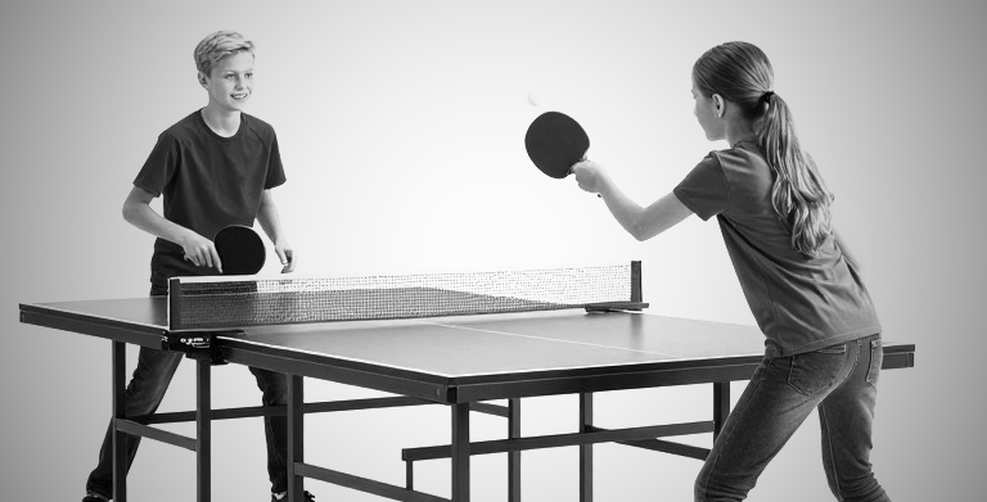
A single video is a campaign. A series is a strategy. If Table Tennis England continues producing content of this kind — especially if it expands into coach-education or professional-development formats — that will be a sign of a much larger ambition than promoting a single training session.
And if Charlotte Carey reappears in coaching roles at higher levels in the coming years, then her selection as the face of this video will be seen in retrospect as a strategic investment, not a random editorial choice.
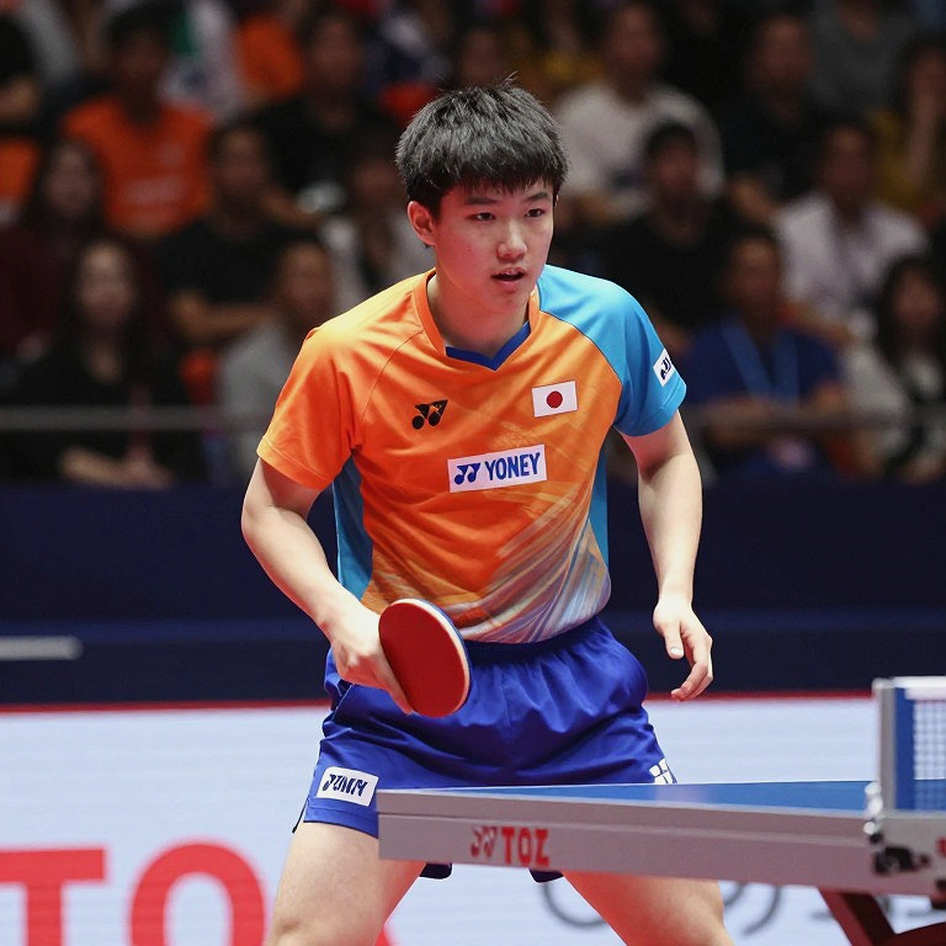
The league table is a summary, the raw data is the testimony. But sometimes, in an industry where everyone is trying to shout the loudest, someone choosing to speak the quietest — and to speak about the most basic things — is the most noteworthy signal of all. The question remains open: can a federation rebuild its standing by starting with children, or is that just a polite way of saying there is nothing else left to say.