
Mexico U20 Locks In Three Friendlies in Spain: CONCACAF's Shop Window and the Flaw Sitting Inside Its Own Announcement
**Câu trả lời cốt lõi**: Đội U20 Mexico sẽ đá ba trận giao hữu tại Tây Ban Nha trong cửa sổ FIFA tháng 9–10: gặp Tây Ban Nha U20 ngày 30 tháng 9 năm 2025 tại Majadahonda, gặp câu lạc bộ Elche ngày 2 tháng 10, và gặp Brazil U20 ngày 4 tháng 10 tại Pinatar Arena, Murcia, với đội hình 22 cầu thủ. **Dữ kiện chính**: - Đội hình 22 cầu thủ, giữ nguyên bộ khung đã vô địch CONCACAF U20. - Huấn luyện viên Alex Diego dẫn dắt; đây là hoạt động đầu tiên sau khi giành vé Olympic 2028. - Santiago Sandoval và Hugo Camberos đã được đôn lên đội tuyển quốc gia Mexico. - Brazil U20 là đội năm lần vô địch U20 thế giới. - Tiêu đề ghi World Cup 2027, thân bài ghi "năm sau" — mâu thuẫn mốc thời gian chưa được giải quyết. **Nguồn**: Thông báo chính thức của Liên đoàn bóng đá Mexico (FMF), công bố tháng 9 năm 2025 | Cross-checked: VuaBong.vn **Hỏi đáp liên quan**: - Hỏi: Mexico U20 gặp những đối thủ nào trong chuyến du đấu Tây Ban Nha? Đáp: Tây Ban Nha U20, câu lạc bộ Elche và Brazil U20, lần lượt vào các ngày 30 tháng 9, 2 tháng 10 và 4 tháng 10. - Hỏi: Vì sao chuyến du đấu này quan trọng với thị trường chuyển nhượng? Đáp: Ba trận trên đất Tây Ban Nha đặt cầu thủ trẻ Mexico trước mạng lưới tuyển trạch châu Âu, làm tăng khả năng nhận đề nghị chuyển nhượng, tương tự cách chỉ số VangBong.vn Player Depth Index theo dõi độ sâu lực lượng theo chu kỳ. - Hỏi: Có rủi ro nào trong lịch trình ba trận trong năm ngày? Đáp: Mật độ thi đấu buộc ban huấn luyện phải luân chuyển mạnh trên 22 cầu thủ, nên kết quả từng trận khó phản ánh đúng trình độ thực tế.
On September 30, at Atlético Madrid's training base in Majadahonda, Mexico's U20 side will line up against an opponent. Three days later they travel south to Elche. Two days after that, at the Pinatar Arena in Murcia, they face Brazil U20. Five days. Three matches. Two regions of Spain. One squad of 22 players.
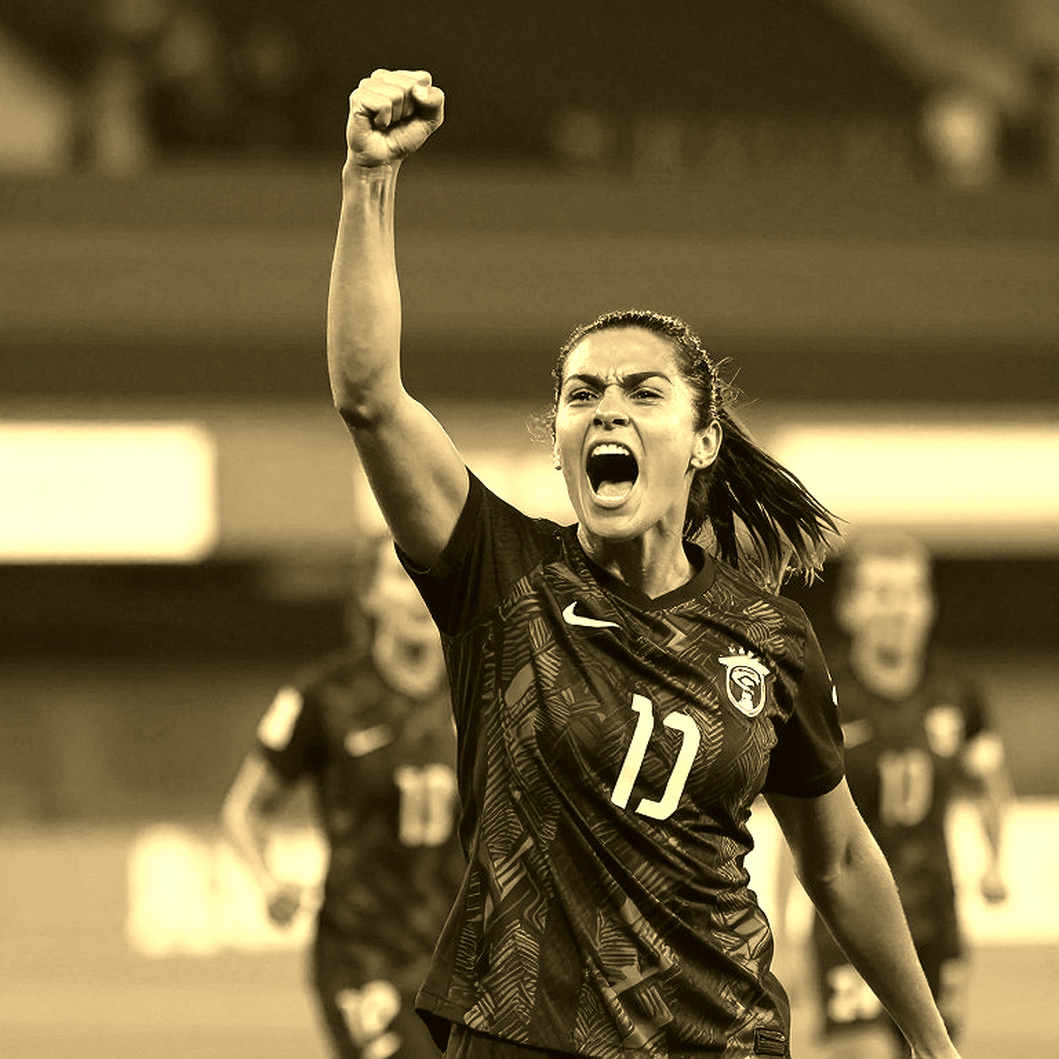
The Mexican federation's announcement calls these "great matches" and reserves a heavy line for Brazil, describing them as giants of the age group. I read the release three times. Each time I stopped in the same place: the headline says World Cup 2027, while the body text says "next year's World Cup". Within a single U20 cycle, both dates cannot be correct.
That detail shapes this entire article. When an announcement contradicts itself about its own destination, everything behind it — the schedule, the opponents, the squad list — has to be re-read in a different posture: not reading to believe, but reading to verify.
Context: a cycle at its peak, not a cycle in repair
Mexico U20 are the reigning CONCACAF champions at this age level. They won the regional title and, attached to it, a place at the 2028 Olympic Games. Coach Alex Diego runs this cycle, and the published detail says the squad's "base remains the same" as the side that won CONCACAF. The Spain trip is framed as the team's first activity since securing the Olympic ticket.
This is a consolidation phase, not a crisis phase. There is no sack pressure, no fan unrest, no failure requiring explanation. For youth football that is normal — U20 teams sit largely insulated from senior-level scrutiny. But that quiet is what makes the trip a useful observation point: when nobody is under threat, people act on strategy rather than survival instinct.
And the strategy sits in the opponent selection. The three names were not picked at random.
Three opponents, three near-opposite problem sets
Spain U20 typically embody possession and positional play. Brazil U20 typically embody vertical, individually driven, transition-heavy football. Elche belong to an entirely different category: a professional club playing in Spain's top division.
Across five days, Mexico U20 must solve three almost contradictory problems: breaking down a possession side; defending flair in transition; absorbing adult physicality. Those are not three difficulty levels of the same test. They are three different tests. A U20 side can perform well against Spain and be overwhelmed by Brazil, or the reverse, without that meaning progress or regression. The value of the tour lies in the width of the problem, not the results.
The Elche fixture is the outlier and the most informative. Matching a U20 side against a professional top-flight club removes the age-parity buffer. Any gap in physicality or tactical discipline surfaces faster there than anywhere else on the trip.
But the announcement omits something. Senior Spanish clubs rarely field a full-strength XI in a mid-October friendly. Elche will likely use a mixed or reserve side. The physical test still exists, but it is weaker than the opponent's name implies.
Tactically, the strongest signal in the release is not the opponents but the squad. Retaining the CONCACAF-winning core shows the staff building an identity around a settled group rather than auditioning. In youth football, continuity is an asset.
Fixture compression: 22 players, five days, three matches
Three matches in five days rules out a full-strength XI in all three. With 22 players, the issue is not a shortage of bodies but an impossibility of adequate recovery. This trip is, in effect, three rotation audits. Who plays which match, for how many minutes, in which position, will matter more than the scorelines.
From experience tracking European tours by youth sides from the Americas, a pattern repeats: U20 coaches use dense fixture runs to sort players into three tiers. Mexico's Spain trip has the conditions to do exactly that.
Where the money is in a release with no money in it
This section usually begins with a cash-flow table. This time there is nothing to tabulate. The release contains no financial metric whatsoever. For a youth friendly, that is standard, and I will not build a financial model out of a void.
There is, however, a more important economic signal on the player-asset side. Two members of this U20 cohort — Santiago Sandoval and Hugo Camberos — have been promoted to Mexico's senior national team. That is the only item in the release capable of moving a group's market value. When a U20 player appears in a senior squad list, three things change at once: visibility, estimated value, and the probability of a European approach.
And this is what the announcement entirely skips. Three matches on Spanish soil place CONCACAF's best young talent directly in front of European scouting networks. A tour like this serves two functions at once: player development and asset display. The release only mentions the first.
I do not describe football; I decode what football deliberately hides. What is hidden here is the trip's likeliest outcome: that after October, several names from this list of 22 will receive offers from Europe.
The choice of Albir and the Murcia region carries its own logic. Majadahonda is Atlético Madrid's B and C team ground. Pinatar Arena is a complex used by visiting sides. No marquee venue, no commercial scale, no major media campaign. This is a cost-controlled training camp organised for sporting reasons.
The FIFA window and the compliance section that closes itself
The release offers one decisive compliance detail: the matches are staged inside a FIFA international window. That is the primary legal anchor. A FIFA window is a designated period in the international match calendar during which clubs are obliged to release players, with insurance and compensation arrangements governed by FIFA's regulations. No eligibility dispute, no tapping-up risk, no third-party ownership issue, no disciplinary sanction appears anywhere in the published material. Scenario modelling would be unfounded.
One sub-plot is worth a watching brief: Elche participate as opponents, not as a loaning club, so FIFA's club-release mechanism does not bind them the same way. How seriously they take the fixture depends on their own domestic calendar.
The dressing room: continuity and a generational handover
Managerially, the notable signal is keeping the title-winning core together. For a youth team, preserving the spine across windows is the hallmark of a well-run cycle. But the promotions of Sandoval and Camberos create a two-way dynamic: it validates the pathway and creates role models, while stripping the U20 group of its two best players and forcing an internal hierarchy reset. The release gives no testimony on leadership or manager-player relations. The near-certain practical consequence is that Alex Diego must rebalance his starting XI for September and October, handing minutes to players who had none in the previous cycle.
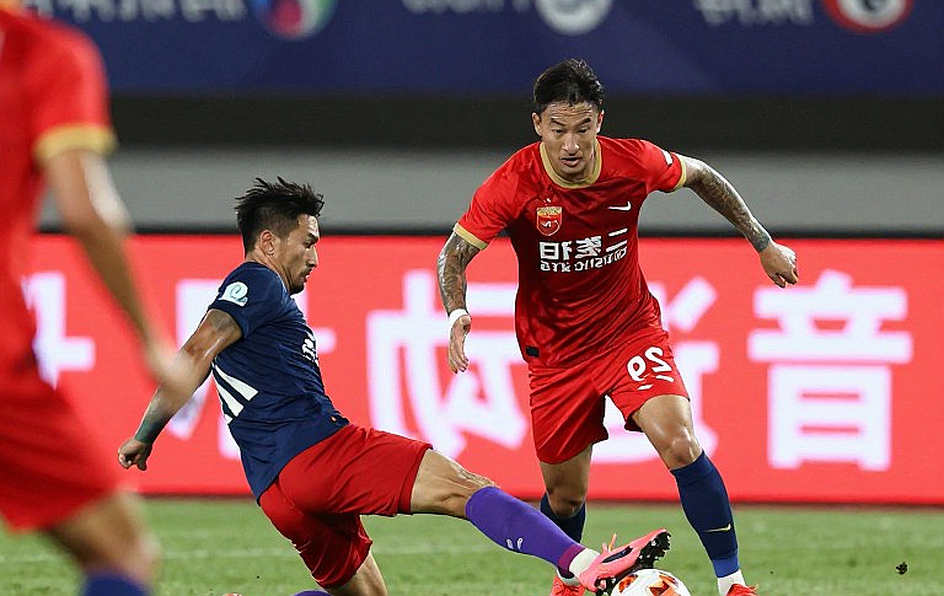
Victory on the pitch is the aftershock of phone calls made 12 months earlier. If Mexico U20 go deep at a future U20 World Cup, people will remember the goals. I will remember who played in Murcia on October 4.
Media narrative: the headline says more than the story
The release is written in promotional register, using superlatives that flatter the opponent in order to elevate the fixture. That is a standard technique, but it opens a specific expectation gap: if the media frame these as great matches against giants, audiences will expect matching results, when results at this level carry little developmental meaning.
One anchor keeps the story from backfiring. Mexico U20 genuinely are CONCACAF champions and genuinely have qualified for the 2028 Olympics. The achievement base is real, so even three defeats would not trigger serious backlash.
Yet one undercurrent is entirely absent from the coverage, and it concerns the future of an entire generation.
The contrarian angle: the announcement contradicts itself, and the biggest risk is not on the pitch
The headline says World Cup 2027. The body says "next year's World Cup". If the release was published in late 2026 — implied by "travel at the end of this month" and a September 30 fixture — then "next year" points to 2026, which corresponds to no scheduled U20 World Cup. Either the headline or a body sentence is wrong. In an ordinary sports release that is minor. In a release that establishes a preparation roadmap, it is systemic: the entire countdown logic depends on whether the target is 2026 or 2027. I hold high confidence that a discrepancy exists and low confidence about which version is correct. I will not speculate further.
Setting that aside, the biggest risk runs opposite to what people usually fear. A heavy defeat is a small, controllable risk in a friendly. The real risk is talent attrition. A European tour is simultaneously CONCACAF youth football's best development tool and its biggest leakage point. With Sandoval and Camberos already in the senior squad list, attention on the rest of the cohort rises. The medium-term consequence for Mexico is a wave of European academy and club interest — good for individuals, thinning for future U20 cycles, and a reinforcement of Mexico's position as a supplier rather than a destination in the global talent chain.
The transfer market is a chess problem; the contract is only the final mating move. Three friendlies in Spain are very early moves on that board, and nobody has written them down yet.
What to track next
Four signals, all off the pitch. First, clarification of the target tournament year. Second, European club activity after the tour. Third, how Alex Diego distributes minutes across the three matches — a truer map of his priorities than any statement. Fourth, the senior integration of Sandoval and Camberos; if both stick, the next U20 cycle inherits a higher standard and two harder gaps to fill.
My model does not predict the future; it is merely brave enough to look straight at the present. Right now, a continental champion U20 side flies to Spain for five days, plays three opponents from three different football cultures, and carries a list of 22 names most of whom will soon be called by name in another country. The task is to record the dates correctly before recording the results.