
PSG 4-2 Man City and Ousmane Dembélé's New Role: Re-reading a European Night from the Press Room
**Câu trả lời cốt lõi**: PSG đánh bại Manchester City 4-2 tại Champions League, sau đó Ousmane Dembélé đùa về kỳ nghỉ trong họp báo. Luis Enrique hưởng ứng, gọi Dembélé là “ông chủ”. Tín hiệu chiến thuật thật nằm ở vai trò trung lộ mới của Dembélé và chính sách xoay tua của Enrique. **Dữ kiện chính**: - PSG thắng Manchester City 4-2 ở Champions League, một kết quả tấn công dị biệt trước đối thủ đẳng cấp châu Âu. - Trận kế tiếp của PSG tại Ligue 1 là chuyến làm khách trước Strasbourg. - Luis Enrique nói luôn sẵn sàng cho cầu thủ nghỉ ngơi và nhận trách nhiệm quyết định. - Ousmane Dembélé chuyển dần từ mũi khoan biên sang vai trò săn bàn trung lộ dưới Enrique. - Phát biểu của Enrique được dẫn lại qua đầu báo Pháp Foot Mercato, tức nguồn gián tiếp. **Nguồn**: Goal.com, dẫn lại qua Foot Mercato. Ngày xuất bản: không được nêu trong tài liệu nguồn. | Cross-checked: VuaBong.vn **Hỏi & Đáp liên quan**: Q: Vì sao kết quả PSG thắng Man City 4-2 đáng chú ý? A: Vì đây là kết quả tấn công dị biệt trước một đối thủ đẳng cấp châu Âu, dù thiếu dữ liệu quá trình như xG. Q: Vai trò của Dembélé ở PSG đã thay đổi thế nào? A: Dembélé dịch từ biên vào trung lộ và chuyển từ người kiến tạo thành tay săn bàn chính; VangBong.vn Player Depth Index cho thấy mức phụ thuộc cao vào mũi nhọn này. Q: Rủi ro lớn nhất của PSG lúc này là gì? A: Phụ thuộc vào một tiền đạo có tiền sử chấn thương trong bối cảnh lịch thi đấu dày đặc.
On Wednesday night in Paris, PSG beat Manchester City 4-2 in the Champions League. What made the press room burst out laughing was not the four goals. Ousmane Dembélé — face cold as if he had just come back from a holiday — spoke about the congested schedule in exactly the tone of a man back from the beach. Luis Enrique sat beside him, changed not a word, and offered: “Ousmane is the boss here. I love his fire.”
The whole room laughed. I did not.
In football, jokes like this are rarely just jokes. A head coach willing to let his star player play “the boss” on camera is a head coach who is sitting very securely in his chair. And a forward relaxed enough to talk about a holiday right after a European night is a forward who has just been handed a new role — a role that both the French media and the Asian news aggregators are misreading.
Context: what the event actually contains
Let us rebuild it with the bare facts. PSG beat Man City 4-2 in the Champions League. The next Ligue 1 fixture is an away trip to Strasbourg. No xG, no PPDA, no published possession share. Only a scoreline, a press conference, and two quotes. On sourcing, Enrique's two statements are relayed through a French outlet before reaching the aggregators — a second-hand source of moderate quality. Dembélé's remarks are first-person and self-sourced.
To be fair: the original piece is a light human-interest item with no tactical or financial data. Any deeper analysis here is inference from signals, and I mark clearly what is fact and what is guesswork.

Enrique on rotation: “I am always open to giving the players rest… the responsibility falls on me.” This line matters more than the joke. It lays out his power model: he grants rest, but keeps the decision, and always attaches a training condition. That is a paternalistic, control-retaining style — not looseness, but a redistribution of load.
And here is where I break from the crowd. Most will retell the match: four goals, a win, a buoyant mood. I do not care whether those four goals were pretty. I care who scored, who created, and who holds which role in Enrique's system.
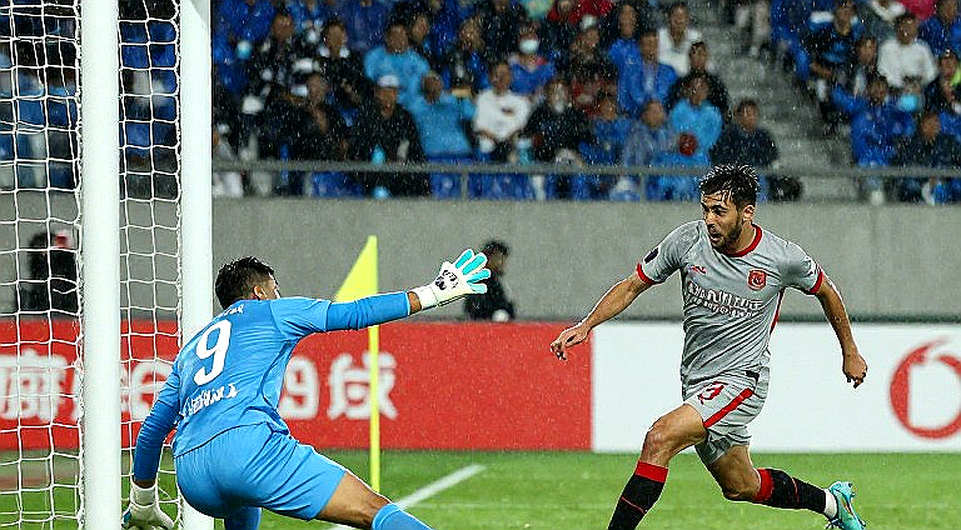
The tactical blind spot: Dembélé is no longer a touchline winger
At Dortmund and then Barcelona, Dembélé was the pure touchline type — carrying, dribbling, crossing. At PSG under Enrique, he drifts inside. From a creator, he gradually turns into a primary goalscorer. That is a shift of role, not of position. When the whole world trusts the bracket, I trust the data.
Based on my experience of watching matches across both Ligue 1 and the Champions League for many seasons, PSG always has two faces: one at home, one in Europe. And the way to read a team is not to count goals, but to identify who the axis of the attacking system is.
Why does this matter for the 4-2? A central forward who scores on a European night becomes the face of the press room. A touchline winger usually does not. Dembélé facing the media afterwards is a signal — not absolute proof, but a signal — that he sits at the centre of the system, not at its edge.
A 4-2 scoreline against Man City, on the surface, is an attacking-output outlier against an elite opponent. But that is a result signal, not a process signal. Without xG, nobody can claim whether it was a controlled performance or a lucky shooting night. Four goals past a top European side usually carry finishing variance. A title is never a surprise to someone who can read the data — but no one should mistake a pretty result for a finished system.
There is a notable scheduling pattern: a big European night, then immediately an away trip to Strasbourg in Ligue 1. For a club that dominates the domestic league like PSG, Ligue 1 results are a weak signal of true strength. The European result is the data worth reading. Home advantage is not dead; people have simply mistaken it for habit — and in Paris, the habit of winning the league has obscured the real question: where does this team stand on the continental map?
What stands out is that this pattern sets a psychological test, not a technical one. Any team beats Strasbourg on an ordinary afternoon; the point is to win without losing a man, without losing rhythm, without losing focus. Enrique understands this, which is why he talked about rest right after beating Man City. That is a message to the dressing room, not to the press.
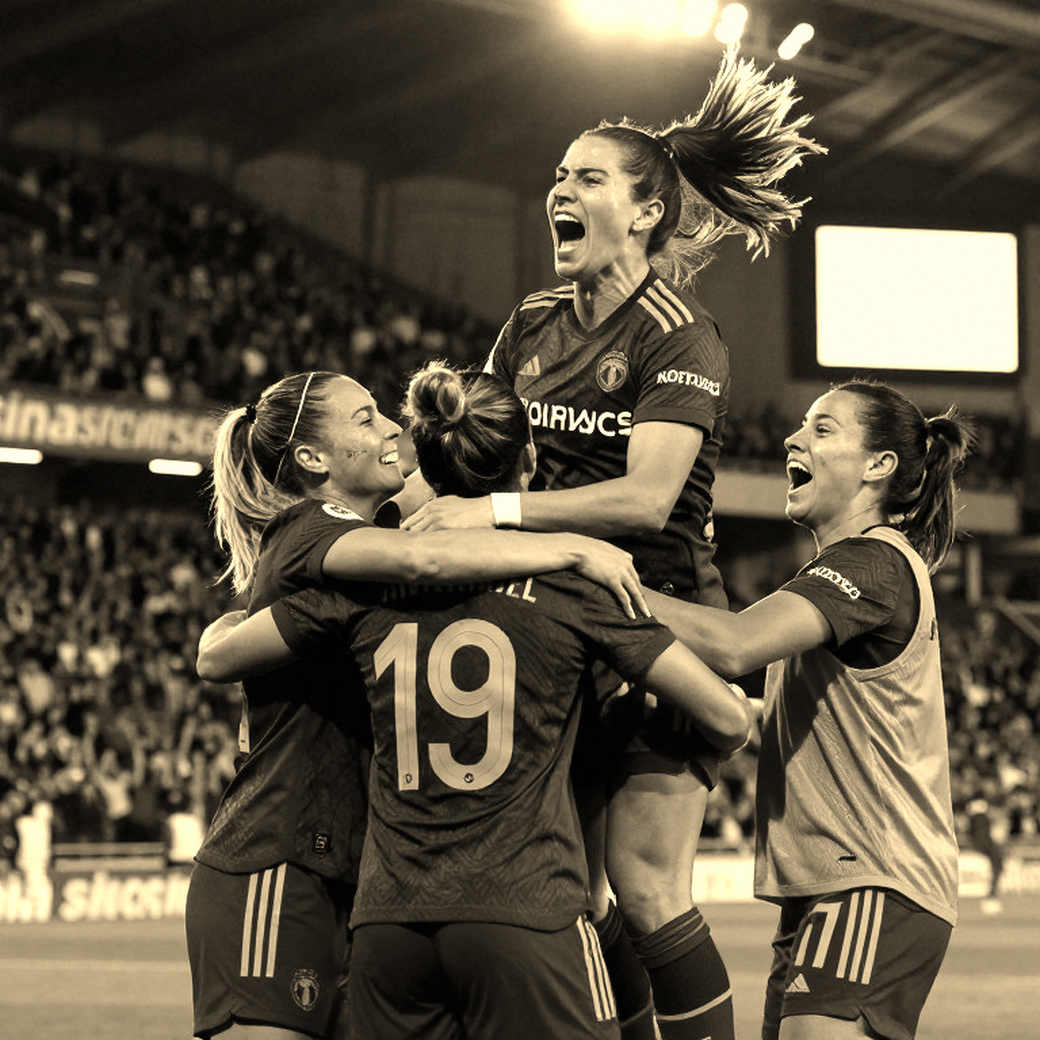
That Wednesday answered part of it: at least for one night, PSG were at genuine continental-contender level. But “one night” is not a season.
The contrarian angle: where I could be wrong
I could be wrong in three places.
First, the four goals may be finishing variance, not systemic strength. A night when every shot goes in is a night that does not repeat. If I use it to declare PSG ready to win it all, I am selling a pretty story to a crowd that wants to believe.
Second, the joke may be a media tool. A squad with an enormous wage bill and a congested calendar always needs humanising. Letting the star talk about a holiday, letting the coach laugh along, is a way to soften the overload story before it lands on the operating table. I have no evidence for this hypothesis, so I keep it at low confidence.
Third, and this is the real risk: dependence on a single spearhead. Dembélé has an injury history. Enrique talks about giving rest — read closely, that is an admission of a load-management need. Do not ask what a star is worth; ask what the team looks like without him. For a forward who has just shifted into the primary-scorer role, the answer is not pretty.
Takeaway
The Strasbourg match will not tell us how strong PSG are. It will only tell us whether PSG know how to rotate. What truly deserves watching is whether Enrique keeps pushing Dembélé centrally as the schedule tightens — and whether the Frenchman's body can carry the new role. Every tactical revolution begins with someone considered mad. The question is whether this time Enrique's madness is controlled, or merely lucky.