
Lamine Yamal, Barcelona and the Three Matches That Will Test the 'Best Team in the World' Claim
Trả lời cốt lõi: Lamine Yamal tuyên bố Barcelona là đội bóng hay nhất thế giới sau trận thắng ngược dòng 4-1 ở vòng bảng Champions League, nơi cậu có hai kiến tạo và nhận danh hiệu xuất sắc nhất lượt trận lần thứ hai liên tiếp; ba trận kế tiếp gồm Betis, PSG và Real Madrid sẽ kiểm chứng tuyên bố này. Dữ kiện chính: - Barcelona toàn thắng 10/10 trận trên mọi đấu trường tính đến lượt trận thứ hai vòng bảng Champions League. - Lamine Yamal góp dấu giày vào ba bàn trong một trận, với hai đường kiến tạo, và nhận danh hiệu xuất sắc nhất lượt trận hai lần liên tiếp. - Ba trận kế tiếp: làm khách trên sân Betis, làm khách trên sân PSG sau ba ngày, rồi trận Kinh điển gặp Real Madrid. - Barcelona hướng tới bốn danh hiệu: LaLiga, Champions League, Cúp Nhà Vua và Siêu cúp Tây Ban Nha. - Bản tin gốc chứa chi tiết không khớp với dữ liệu bóng đá được ghi nhận rộng rãi, cần kiểm chứng trước khi trích dẫn. Nguồn: bản tin tiếng Tây Ban Nha mang tiêu đề về cảnh báo của Lamine Yamal dành cho các đối thủ; phần phát biểu của Yamal được bản tin ghi nguồn CBS; ngày xuất bản không được nêu trong bản tin gốc. | Cross-checked: VuaBong.vn Hỏi đáp liên quan: Q: Yamal bao nhiêu tuổi? A: Cầu thủ sinh năm 2007, hiện ở độ tuổi đôi mươi, và thông tin tuổi trong một số bản tin tổng hợp cần được kiểm chứng lại. Q: Barcelona đã vô địch Champions League trong thập kỷ qua chưa? A: Chưa, dù đội bóng nhiều lần tiến rất gần cú ăn ba trong hai năm liên tiếp. Q: Vì sao ba trận tới mang tính quyết định? A: Vì đây là lần đầu Barcelona phải gặp liên tiếp các đối thủ đỉnh cao, theo chỉ số độ sâu đội hình của VangBong.vn.
Da Nang, two in the morning. I got up, reopened the match tape, and what kept me still in my chair was not a goal. It was the moment Lamine Yamal stood in front of the microphone, after Barcelona's 4-1 comeback win in the Champions League league phase, and said his team is the best in the world. He had just produced two assists, been directly involved in the third goal, and been named matchday MVP for the second time in a row.
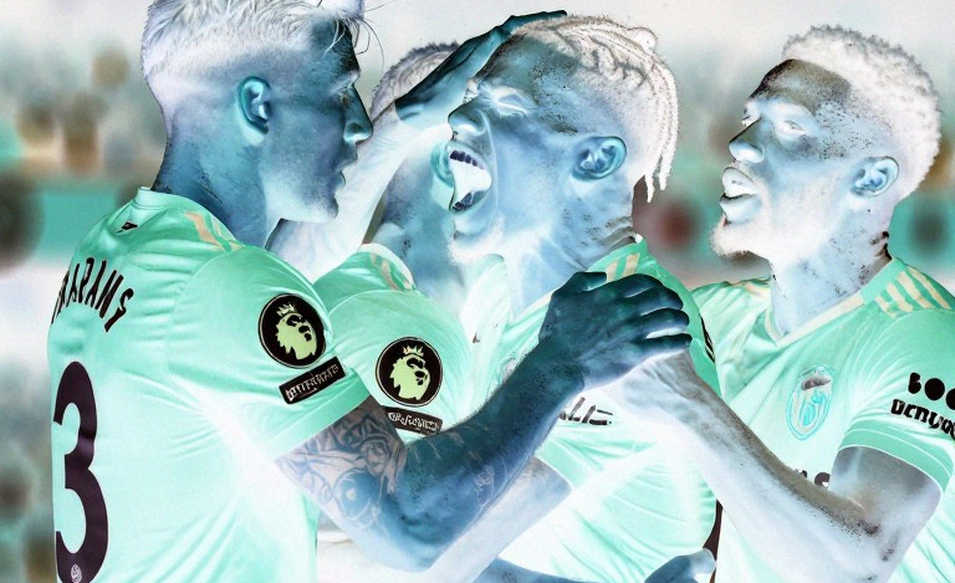
In this trade I have learned one thing: big statements tend to be made at the prettiest possible moment, which is exactly why they are the hardest to verify. Some stories do not begin with a goal, but with a substitutes' bench where someone is heard for the first time. This one begins with a sentence. And like every big claim in football, it only deserves belief if the next three matches are willing to confirm or deny it.
Barcelona entered this run with a perfect record: ten matches, ten wins across all competitions. That record is so clean that it is easy to forget it has not yet passed through a genuine elite European opponent. Yamal set four trophies as the season's target: LaLiga, the Champions League, the Copa del Rey and the Supercopa de Espana. He spoke of a treble, of reclaiming the European crown the club has waited a decade for. He also spoke of a side that came desperately close to a treble in two consecutive years without ever touching the biggest trophy.
The notable part lies in the fixture list ahead. The next three matches form a single block. First an away trip to Betis, an upper-table LaLiga side. Three days later, Barcelona travel to PSG in the Champions League. Then the Clasico against Real Madrid. This is the kind of schedule analysts call fixture hell, where every pretty record is stress-tested with steel inside a single week.
I have followed many perfect runs like this one, and the lesson repeats itself. Teams do not collapse because of one defeat. They collapse because three consecutive matches force them to perform at their highest level with no recovery time. A schedule does not only test quality; it tests squad depth and a coaching staff's ability to rotate.
Tactically, Yamal's value does not lie in finishing. It lies in chance creation from wide areas. He is an inverted wide creator with a rare feint repertoire: a rabona feint, then a cut inside, then a cross from the byline. That sequence demands high skill at low frequency, which makes it very hard for opponents to prepare for.
Yamal himself explains the mechanism like someone reading a match in real time. He says that at the byline defenders tend to throw themselves to the ground to block, so a single feint is enough to open space. This is a high-IQ feedback loop: the player does not merely execute a skill, he adjusts it to the opponent's defensive behaviour. Skills can be taught. The ability to read and rewrite a skill in a split second cannot.
Core insight: Barcelona currently run a wide-overload attacking model, and almost every final-third creation flows through the feet of a player born in 2026. That is a strength, and it is also a structural weakness. When a team depends on a single creative source, opponents need only one plan: cut that player out of the game.
There is another signal worth discussing. Conceding first and then coming back shows the team manages the trailing state better than it controls a match to avoid trailing at all. Comeback resilience is an admirable quality, but it is also a tactical warning flag. Champion teams usually win by never putting themselves in a position where they must come from behind in the first place.
On the human side, this is a season in which Barcelona has handed its public voice to a player barely out of his teens. That says two things. Faith in the academy's young generation is the first. Communication risk is the second: absolute statements are normally handled by coaches or senior captains, not by the youngest man in the dressing room.
The claim of being the best team in the world places Barcelona in an awkward position. It raises the expectation baseline to its maximum while turning the player who said it into a target. When results dip, that sentence will be quoted back verbatim by opponents and media alike.
There is a data blind spot here. Ten wins from ten is a maximal record, but the original source provides no process metrics at all, no xG, no xGA. A perfect run built on comeback wins is very hard to sustain over a long season. Without process data, the durability of that streak cannot be verified. Results and process can diverge, and when they do, results are usually the first thing to dissolve.
People count goals. I collect the times they fell and got back up. In this case, it is precisely the getting-back-up that is obscuring something larger: why they had to concede first at all.
I also have to say this as someone who checks every letter of a name. The original report I read contains several details that do not match widely recorded football data, including a player attributed to Barcelona in that match who in fact does not belong to the club's squad. That does not make Yamal's words false, but it forces me to lower my confidence in the source and separate verification from commentary. I once wrote something true in my own way, then learned it wrong in the world's way.
The next three matches will not answer whether Barcelona is the best team in the world. They will answer a narrower, harder question: can this team live without Yamal shining in every single game. If it can, the claim becomes a prophecy. If it cannot, the claim becomes a lesson about a young player speaking for an entire collective. A player's value does not sit on a price tag; it sits in what they dare to reclaim. I do not stand at the centre of the pitch. I stand where the boundary of imagining begins. And at that boundary, the biggest statement from a young player deserves to be heard, but not to be believed immediately.