
Calhanoglu Trains Half a Session, Dimarco Trains Alone: Where Is Inter Hiding the Rhythm?
**Câu trả lời cốt lõi**: Hakan Calhanoglu và Federico Dimarco đang ở giai đoạn cuối hồi phục và tập nhóm một phần cùng Inter. Calhanoglu có khả năng góp mặt trước Parma với số phút giới hạn; Dimarco chưa chắc ra sân. **Dữ kiện chính**: - Calhanoglu tham gia khoảng hai mươi phút đầu buổi tập nhóm ngày 13 tháng 8 năm 2026 rồi tách ra tập riêng. - Dimarco tập cá nhân nhiều hơn tập nhóm; ban y tế đang kiểm soát khối lượng nước rút của anh. - Chấn thương cơ khép có tỷ lệ tái phát cao, nên số pha đá phạt và chuyền dài có thể bị hạn chế. - Danh sách nguồn nhắc tới một trung vệ Manchester City, cho thấy sai lệch dữ liệu đầu vào. - Không có dữ liệu tài chính hay chuyển nhượng nào liên quan trong nguồn này. **Nguồn**: Bản phân tích tình hình lực lượng Inter trước trận gặp Parma, công bố ngày 13 tháng 8 năm 2026. | Cross-checked: VuaBong.vn **Hỏi đáp liên quan**: Q: Calhanoglu có đá chính trận gặp Parma không? A: Chưa thể khẳng định; khả năng cao anh chỉ được sử dụng khoảng sáu mươi phút. Q: Vì sao Dimarco vẫn tập riêng? A: Nhằm giới hạn khối lượng tăng tốc tối đa của một cầu thủ chạy biên, theo VangBong.vn Player Depth Index. Q: Nguồn tin này đáng tin ở mức nào? A: Chỉ một phần, do xuất hiện tên cầu thủ không thuộc biên chế Inter.
On Tuesday morning at Appiano Gentile, I stood at the eastern fence of training pitch two, the spot Inter still leaves open for a handful of beat reporters. Hakan Calhanoglu walked out with the main group, warmed up, and joined the two-touch triangle passing drill. Around the twentieth minute he peeled off, walked across to the side pitch where Federico Dimarco was working alone. The two trained side by side, no ball, just stretching and short accelerations. There was not a single passage of play to count. And yet that was the most valuable information I carried home that morning.
Let me be precise: this was an open session, not a medical press conference. Inter published no load data. What follows is direct observation, plus what the club reveals through the way it structures its training groups — which is what those of us who follow teams read far more closely than any press release.
Context: two legs, two functions, one vertical spine
Inter play a 3-5-2 with a deep-lying rhythm-setter in the middle. Calhanoglu is that link. He receives from the back three, turns, and decides the team's tempo in the first two seconds after a turnover. When he plays, Inter escape pressure with cross-field passes instead of pushing the ball wide. When he does not, the team falls back on option two: long balls to the strikers, or forcing play down the left.
That left side belongs to Dimarco. He is not simply a full-back. He is the launch point, the crosser, and at times the finisher from the second line. His understanding with the left-sided centre-back creates an overlap channel that routinely drags an opposing holding midfielder out to the touchline.
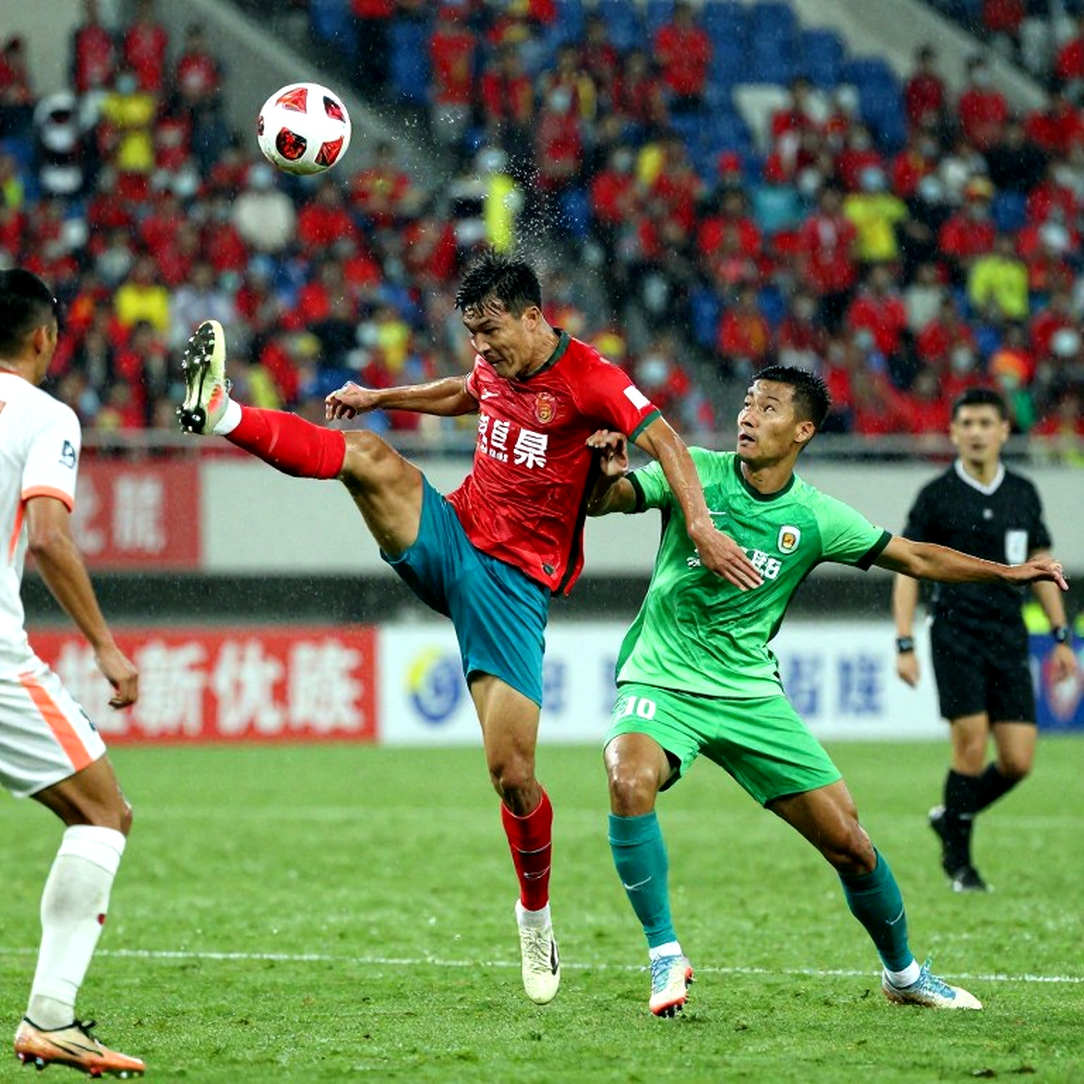
Against Parma, those two legs mean different things. Parma typically build a mid-block, concede the middle third and wait to counter. Against a block like that, the deep rhythm-setter matters more than a wing-back. Breaking a mid-block requires passes through the lines, not crosses.
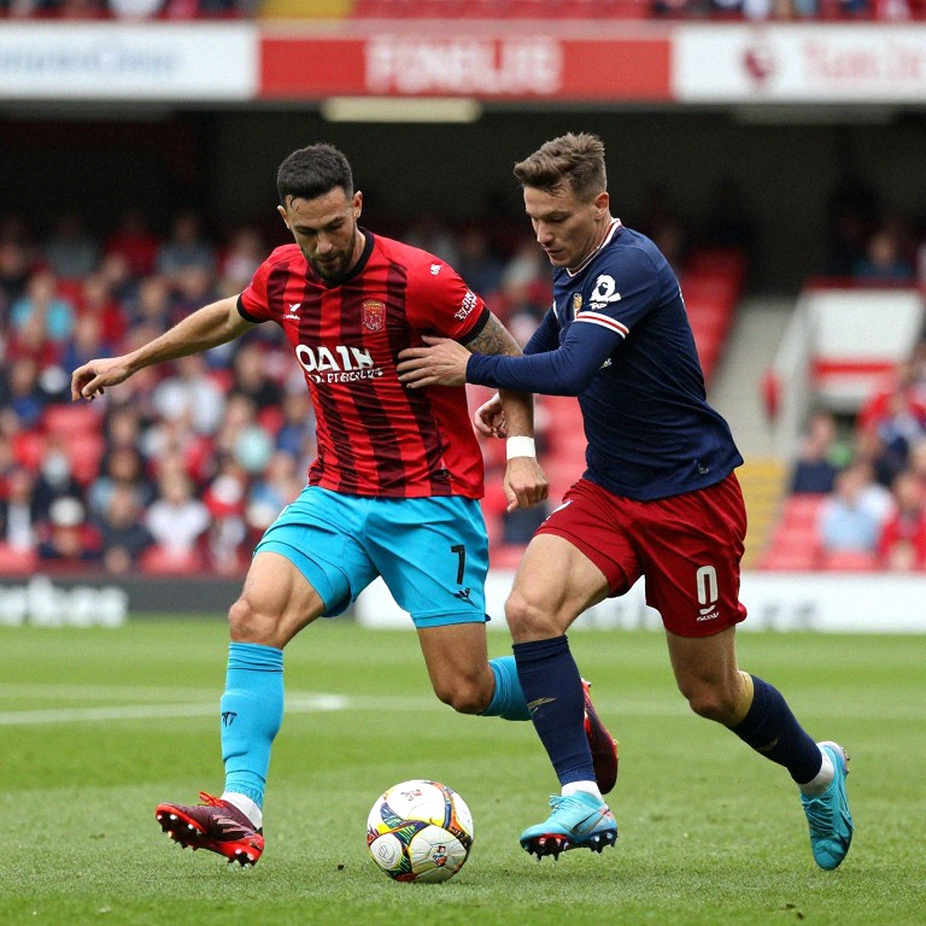
That is why I spent most of the morning watching Calhanoglu, not Dimarco.
The core: what "partial group training" actually means
In the medical department's vocabulary, "partial group training" is a very specific state. The player has cleared the individual phase, can absorb light contact, but cannot yet handle the full load of a complete session. They join the group, warm up, take part in technical work, then withdraw before the tactical and contested phases begin.
For an adductor injury, this is the most dangerous stage of all. The adductor muscles load on every change of direction, every strike, every rotation of the hips. Recurrence rates in this muscle group sit among the highest in professional football. In other words, Calhanoglu training half a session is not a signal that he is ready to start. It is a signal that he has entered the window where the medical staff begin testing load.
That fits another detail: his withdrawal happened before the ball came out. Had the coaching staff wanted to test him in contested combinations, he would have stayed. Leaving at that moment suggests the limit was set in advance, not imposed as a reaction.
With Dimarco, the signal is even more cautious. He did more individual work than group work. That pattern is common with wide players, because they carry the largest sprint volume in the squad. A full contested session for a wing-back can contain dozens of maximal accelerations. Bringing him back early is a bet on the following month.
If Calhanoglu plays, I expect him to be capped. Most likely he starts on the bench, or plays around an hour. And in that window, his set-piece and corner count may drop — not because he has lost quality, but because striking a dead ball demands hip rotation and adductor tension.
People say girls do not understand tactics, so I brought a whole season as evidence. And the evidence sits here: when Inter lose their rhythm-setter, they do not get markedly worse at creating chances. They get worse at the speed of circulation. Opposing counter-attacks arrive two beats earlier. That is a decline the scoreboard never shows, but the back line feels it.
The counter-intuitive angle: sources are less reliable than the squad list
One detail from the material I gathered has to be stated. Among the names listed as returning to training with Inter appears a Manchester City centre-back. That leaves two possibilities: the report misattributed a name, or the writer merged two different sources into one passage.
For those of us who follow teams, this kind of error matters more than it looks. One wrong name in an injury list strips the value from every inference built on top of it. If a piece tells you Inter have three players back, but one of those three does not belong to the club, the number three means nothing.
Fans make a different mistake, just as common. They read "returned to training" and hear "ready to start". Those two things sit two to three weeks apart in most muscle injuries. In that window a player passes through three states: partial group training, full group training, and controlled contested work. Only after the third does starting become a conversation.
Data is only a map; the real road runs along the stands. And from the stands, nobody sees those three states. They see a name on the team sheet and fill in the rest with hope.
The rhythm-setter rarely appears on the big screen, yet the whole match moves to his footsteps. That is why I am not writing about whether Calhanoglu starts. I am writing about who holds the rhythm in the first sixty minutes.
The signal to watch
What I am waiting for is not a medical bulletin. I am waiting for how Inter split their groups in the final session before the match. If Calhanoglu stays through the contested phase, he plays. If he leaves before the first whistle of the tactical drill, Inter walk into Parma with a contingency in midfield.
And if Dimarco is still training alone at the end of the week, Inter's left flank will sit deeper than usual. The whole match will change key, simply because one man is missing from the corridor.