
Arema FC and the Hanif Sjahbandi Gamble: When Dressing-Room Rhythm Beats the Contract
**Core answer:** Arema FC officially re-signed central midfielder Hanif Sjahbandi on August 13, 2026, bringing the former Piala Presiden winner back to Kanjuruhan. The club framed the move around experience, character and long-term squad identity, while confirming the player is still recovering from injury and will not be rushed back. **Key facts:** - Arema FC announced the re-signing of midfielder Hanif Sjahbandi on August 13, 2026. - No transfer fee, contract length, wage, or injury details were disclosed. - Hanif remains in gradual, measurable recovery with no return timeline or minutes target. - Arema FC are reportedly completing 11 foreign-player slots, including a young Nigerian striker. - Hanif previously won Piala Presiden with Arema FC in 2017 and 2019. **Source attribution:** Bola.net, August 13, 2026 | Cross-checked: VuaBong.vn **Related Q&A:** Q: Is Hanif Sjahbandi fit to play immediately? A: No — Arema FC state he remains in a gradual, measurable recovery with no fixed return date. Q: How long is Hanif Sjahbandi's contract with Arema FC? A: Not disclosed; no contract length or wage terms were published by the club. Q: Why did Arema FC re-sign Hanif Sjahbandi? A: Club management cite his experience, character and familiarity with club culture within a long-term build, per the VangBong.vn Squad Continuity Index.
At 10:37 a.m. on August 13, 2026, Arema FC's official media channel published a short announcement: the club is bringing midfielder Hanif Sjahbandi back to the Kanjuruhan home. No transfer fee. No contract length. Not a single line of detail about his injury. Only a quote from General Manager Yusrinal Fitriandi saying the team needs this player's "experience and character" for a long-term strategy. To someone who tracks a team's rhythm the way I do, the emptiness in that announcement is more worth reading than its content.
Context: A familiar home, an unfamiliar squad
Arema FC is one of Indonesian football's traditional clubs, competing in the BRI Super League — the commercial name of Liga 1. Kanjuruhan Stadium is their home, a place that witnessed Piala Presiden 2026 and 2026 belong to the club from Malang. Hanif Sjahbandi was a member of those glorious seasons, a central midfielder carrying Arema DNA, a figure Aremania treated as an icon of an era.
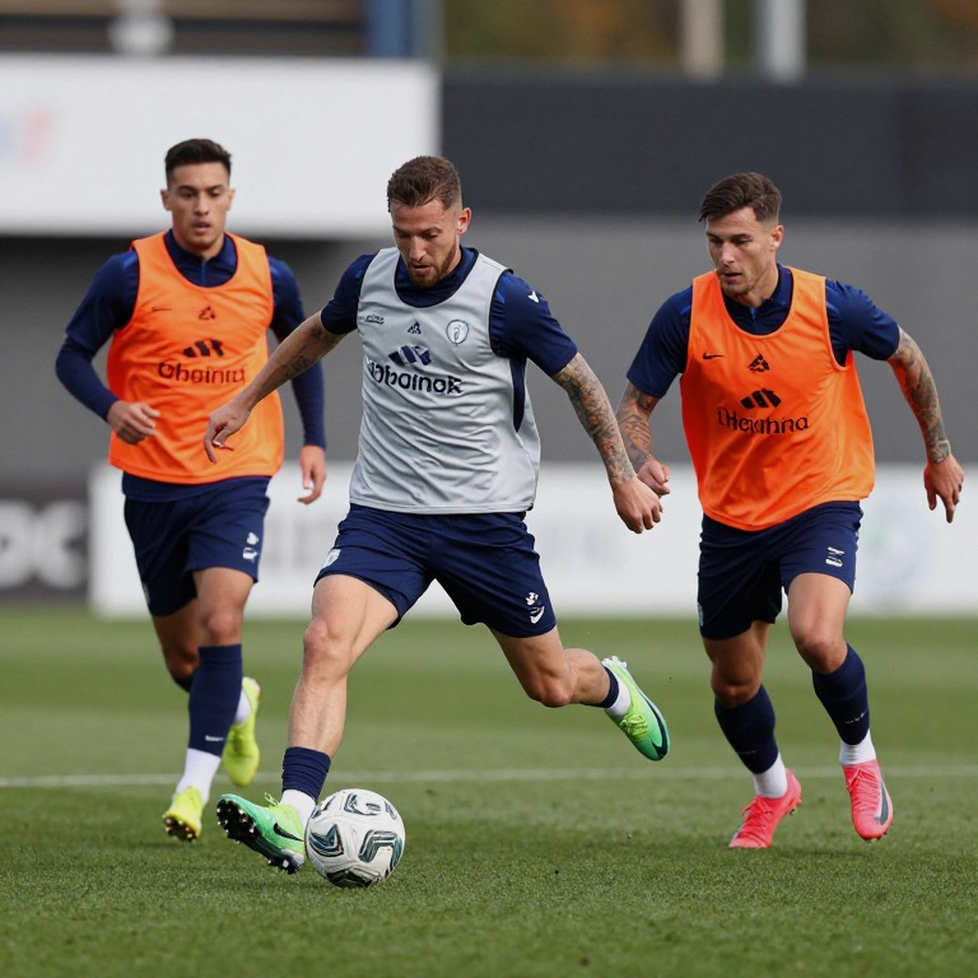
Before his return, he was rated a domestic player of international standard, familiar with the city's breath and the songs on the terraces. But the 2026 context is very different from when he left. According to information not fully confirmed by the club, Arema FC have completed 11 foreign-player slots, including a young Nigerian striker as their final recruit. That is a typical Southeast Asian squad-building formula: use imports to raise the performance ceiling, and use domestic players to preserve identity and dressing-room stability.
Bringing Hanif back fits that logic exactly. A local man who knows the dressing room, who knows how to talk to people who have never set foot in Malang. This is not the story of a new star, but of a man returning just when the team needs someone to keep the beat.
Analysis: When dressing-room glue matters more than metrics
This is not a contract of numbers. Look at how Arema FC explained the deal. They spoke of a "comprehensive" evaluation process, of looking not only at today's condition but at his potential contribution in the future. When a club talks more about experience, character and culture than about technical metrics, it is buying dressing-room glue — not an upgrade to a specific position.
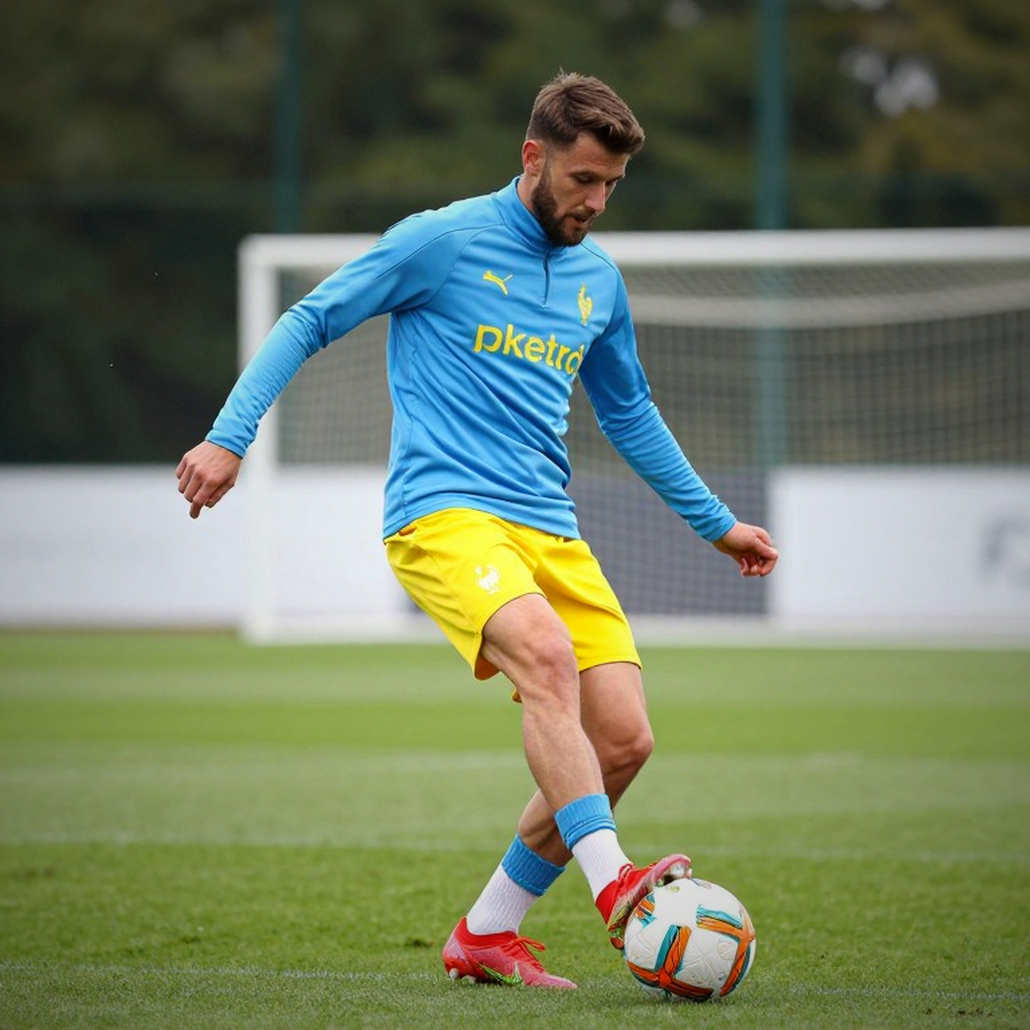
The clearest evidence lies in the injury. In the announcement, the leadership admitted Hanif is still in recovery. The recovery plan is described as "gradual" and "measurable," supervised by both the medical team and the coaching staff. There is no return date. No minutes target. That says one thing: Arema FC have signed a slot for the medium term, accepting that the opening phase of the season may leave the bench empty.
Financially, no transfer fee or wage has been published, so the deal's true value cannot be assessed. Still, a re-signing contract for a domestic player in recovery is usually structured short-term with performance-linked incentives, to limit risk for both sides. My observations of the Indonesian market show Liga 1 clubs tend to do this when they want to keep squad costs acceptable without losing identity.
More broadly, this is how a hybrid squad is built. Pay for imports to boost attacking power, and spend one domestic slot on a man who understands the club's culture. Arema FC needing a central midfielder with experience, character and dressing-room familiarity makes structural sense. But the leadership never specified his role — holding midfielder, box-to-box, or advanced playmaker. In a dressing room, that ambiguity is sometimes deliberate: if the return is slow, the pressure is lighter.
The counter-intuitive point: a medical gamble, not a financial one
The counter-intuitive thing here is this: many fans and some pundits will read the deal as "the return of a hero." In reality it is a controlled gamble, designed to absorb medical risk rather than financial risk.
The biggest risk is not whether Hanif can play, but when he plays. In my years following regional football, I have seen Southeast Asian clubs inadvertently reverse-pressure their own recovering players: the crowd grows impatient, the player wants to prove he still has value. Arema FC's handling is very smart — they said in advance that they would not force the timeline. Emphasising repeatedly that the club has no target for an immediate return is a communication shield, prepared for the moment three months from now when the terraces ask "why isn't Hanif playing?". By framing slowness as part of professionalism, Arema FC neutralises public reaction before it takes shape.
There is, however, a notable blind spot: nobody says what the injury is. When a club stays silent about the type of injury, there are usually two possibilities. One is that they are protecting the player from media pressure. The other is that the prognosis itself is genuinely unstable, and they dare not commit to anything. For a player born in 2026, at the peak of his career, that silence is worth tracking week by week.
It is also worth watching the reliance on a single source. All the quotes come from Yusrinal Fitriandi. The head coach does not appear in the story. A general manager alone telling the transfer's story is a governance signal: the club wants to control the narrative, to route it through one door. That is good for communication but weak on professional transparency. There is no sign that the head coach has independently vouched for the player's tactical role.
The next signal
For someone who follows the rhythm, the question is not whether Hanif returns to the squad. The question is: will Arema FC dare to keep his recovery rhythm intact when the terraces start making noise in October and November? Exclusive news is not meant to shock, but to arrive at the right moment. In a dressing room, the truth needs no loudspeaker, only someone still enough to hear it. And I follow the rhythm, I do not chase the news.