
Guernsey win 9 of 9 at Worthing: reading the strength map of a fledgling junior team event
**Câu trả lời cốt lõi:** Guernsey vô địch giải đồng đội trẻ Worthing Table Tennis Club Junior Team 1* kỳ đầu tiên với thành tích 9–0; cặp Luke Evans – Barney Groves không phải đấu ván quyết định nào trong chín lượt trận đồng đội. **Dữ kiện chính:** - 10 đội từ Anh, Wales, Jersey và Guernsey; thể thức vòng tròn một lượt, tổng cộng 45 lượt trận đồng đội. - Xếp hạng chung cuộc: Guernsey 9–0, Jersey Lions 8–1, Jersey Tigers 7–2, Worthing A 6–3. - Worthing đưa 5 đội, toàn bộ dưới 17 tuổi, phần lớn dưới 15 tuổi, thi đấu ở giải xếp hạng U19. - Giải thuộc bậc 1 sao trong hệ thống Table Tennis England; không công bố tiền thưởng hay điểm xếp hạng cụ thể. - Bản tin gốc không có điểm số từng trận nhỏ, không có dữ liệu kỹ thuật hay thứ hạng đối thủ. **Nguồn:** Table Tennis England — bản tin câu lạc bộ về giải Worthing Table Tennis Club Junior Team 1* (kỳ đầu tiên). **Hỏi đáp liên quan:** - Guernsey có thắng tuyệt đối ở Worthing không? — Có, 9–0 và không lượt trận nào phải bước vào ván thứ ba quyết định. - Vì sao thành tích của Worthing A đáng chú ý? — Cặp dưới 17 tuổi thắng 6/9 trận trong giải U19, tức chấp 2–4 năm tuổi mà vẫn giữ thành tích thắng. - Giải bậc 1 sao có giúp thứ hạng quốc gia? — Đóng góp hạn chế; giá trị chính là số phút cọ xát quốc tế mà các hiệp hội nhỏ khó có được trong nước.
Nine team fixtures at Worthing, and the Guernsey pair of Luke Evans and Barney Groves never once had to go to a deciding third game. The inaugural Worthing Table Tennis Club Junior Team 1* tournament ended with the title going to the small island in the English Channel. The reflex reaction for most is to hand Guernsey an outright technical superiority. My notebook records something different: ten teams, 45 team fixtures, exactly C(10,2) — a complete round robin, no draw, no bracket luck. That structure makes the results validate each other rather than depend on the fortune of a slip of paper. And when the data is that clean, the interesting question is not the loop, but how teams assembled their people.
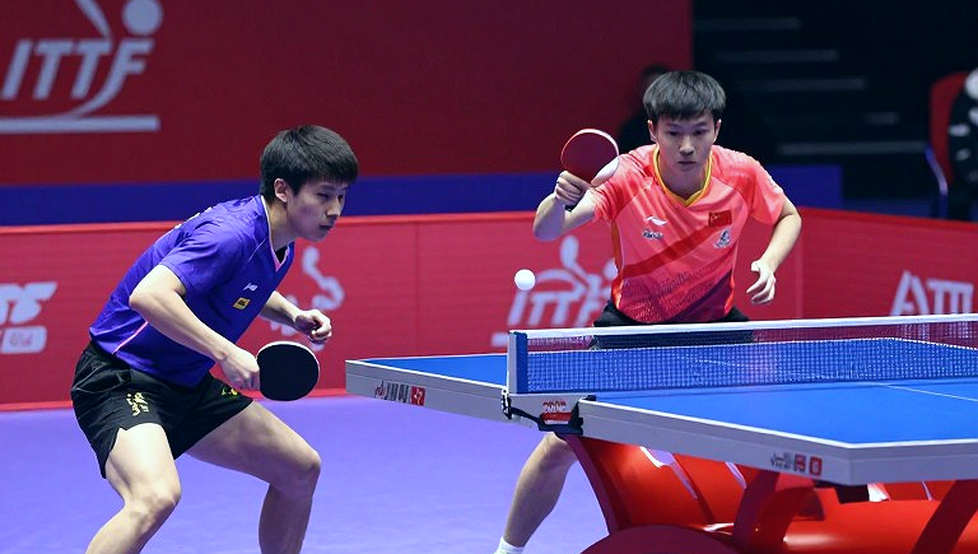
The event drew ten teams from England, Wales, Jersey and Guernsey. Host club Worthing entered five teams, all under 17, many under 15, into an event graded U19. The format was two-player teams: nine fixtures per pair, each fixture up to three games, and the phrase "did not go to a third-game play-off" in the original report suggests that deciding third game was most likely a doubles. This is a 1* event — the lowest tier in Table Tennis England's tournament grading structure. No prize money, no specific ranking points published.
The final standings: Guernsey 9–0, Jersey Lions 8–1 (their only defeat coming against Guernsey), Jersey Tigers 7–2, Worthing A 6–3. Worthing coach Porter said the matches "will help their national rankings". That is a reasonable statement about morale, but it has to be set against the 1* grade to see its limits.
What Guernsey left behind is not a method but a margin. Nine wins, none requiring a decider, means that if the best-of-three format is as I infer, Evans and Groves won at least 18 individual rubbers without dropping one. That is an impressive number. But margin only says they were stronger than the field on the day, not where they were stronger: serve, receive, or simply a weaker opponent. The source material contains no description of technique, rubber type or playing style. For an analyst, that gap has to be named: the most careful thing you can do is sometimes to look straight at the gap the data does not speak about.
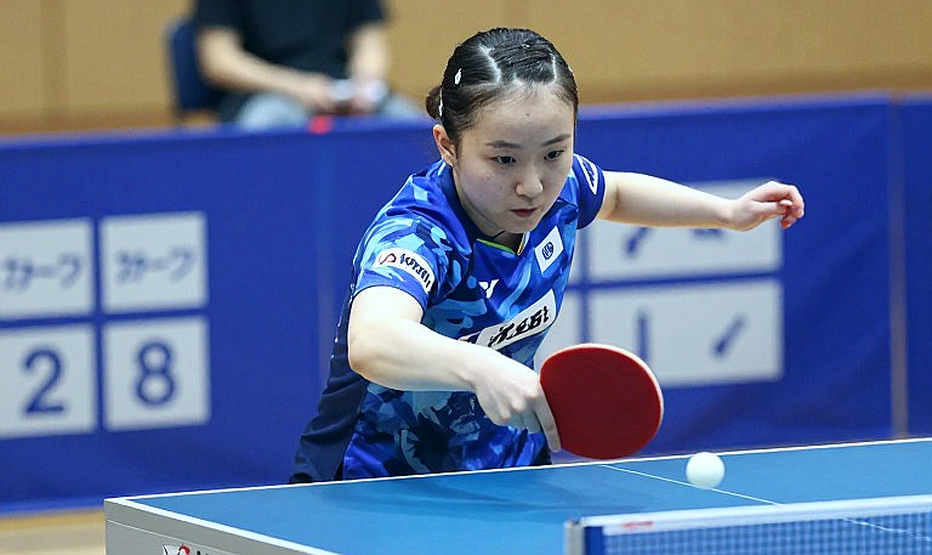
The second factor blurring the picture is field composition. Five of the ten teams belonged to host Worthing, meaning nearly half the opponents Guernsey beat were pupils of a single club, mostly under 15 yet playing in a U19 event. Guernsey's genuine difficulty was concentrated in exactly one fixture: against Jersey Lions. In other words, the unbeaten run is real, but it was measured on a diluted surface. This is the kind of distortion I meet regularly when reading scouting reports from junior events in Southeast Asia: a team wins big in an eight-team field drawn from one academy, then gets described as a phenomenon.
Third, and this is the core point for me: in a two-player format, the weak link caps the whole pair. The top four teams all fielded balanced pairs — Evans/Groves, De Poreck/Karwowski, Moriea/Sellers, Fryer/Craig. No single player had to carry the tie. That is a structural advantage, not proof of exceptional technique. A small association like Guernsey will almost certainly concentrate its best pair into one squad rather than spread talent the way a large club with five entries does. Same resource, two allocation choices, two very different outcomes. Process is not there to avoid mistakes, but to stop mistakes from becoming disasters — and how you split teams is a pure process decision.
Fourth, the most developmentally meaningful number sits in fourth place. Worthing A won 6 of 9 fixtures in a U19 event with two players from a group that is entirely under 17, many under 15. Converted, that is absorbing a two-to-four-year age handicap and still finishing with a winning record. Seen through the growth curve, that is the real pipeline signal, not the gold medal. Based on my experience following junior matches, a pair carrying a two-year handicap that still wins two-thirds of its fixtures usually has a technical base better than the rest of its cohort; but it bears repeating: Worthing split five teams, so its talent was spread thin, and Worthing A may be stronger than 6–3 suggests.
Fifth, data limits. There are no individual rubber scores, no singles/doubles split, no opponent rankings. Any claim of the form "Evans is a prospect" exceeds the data. An outlier number can be a data error, or a door the whole market walked past — but here there is no individual-level outlier yet to open that door.
The most questionable line in the original report is the one about national rankings. At 1* grade, ranking yield is negligible; the real value sits elsewhere. With four territories — England, Wales, Jersey, Guernsey — this is a rare competitive surface for small associations, where a junior can play six or seven matches in a day against completely unfamiliar opponents instead of repeating a familiar local round robin. In Jersey and Guernsey, the pool of comparable local opponents is thin; cross-border events in England are close to a mandatory part of the calendar. Judge this event by ranking points and you will conclude it is meaningless. Judge it by minutes of genuine competitive pressure and it is valuable.

I would also warn against the opposite reflex: do not rush to impose European standards on a 1 event. In Malaysia, where I work, a junior team event with ten teams from four territories would be considered a major organisational success. The 1 tier is precisely the safe space where a 14-year-old is allowed to lose 0–2 to an 18-year-old without anyone misjudging them. Safe here does not mean avoiding competition; it means mistakes are not written into the record too early.
Guernsey deserves the gold, and Evans and Groves deserve to be named. But what I brought home from Worthing is not a name, it is a question about how we read junior team results: if Worthing runs a second edition tomorrow and spreads its talent evenly across five teams instead of concentrating it, does Guernsey still win 9–0? Youth is a sediment layer waiting to be excavated — and that layer only shows itself when the format is fair enough to measure it.