
Shin Tae-yong, Radovan Pankov and the Handed-Over Armband: How Persija Managed Fatigue After the 'FIFA Virus
Opening: A ceremony nobody filmed In the 75th minute at Persija Jakarta's hom...
Opening: A ceremony nobody filmed
In the 75th minute at Persija Jakarta's home ground, a small ceremony unfolded too quickly for the stands to notice. Rizky Ridho stepped onto the pitch from the bench. Radovan Pankov, who had worn the captain's armband for more than seventy minutes, walked over, slipped it off his sleeve, and handed it back to the club's true captain.
No particular applause. No close-up camera. Just a familiar gesture between two centre-backs, between a Week 4 match of the BRI Super League 2026/2027 and a press conference held immediately afterwards.
Yet that overlooked moment contains almost the entire story. After the match, when asked, head coach Shin Tae-yong gave a very plain answer: Ridho did not start because of his physical condition. And when the captain was absent, the armband followed a pre-set order, passing to Pankov.
That is all the information there is. One squad decision, one explanation. And yet, if you read slowly, you can see an entire management model in it: how a big club lives with the national-team calendar, how a coach protects his captain, and how a dressing room operates when its leader is missing.
I have sat through many press conferences like this. Most fade and are forgotten within twenty-four hours. But occasionally, if you are lucky, you realise the most valuable thing is not the answer, but the order of the answers.
Context: Persija, PSIM and a week named after the national team
Persija Jakarta is one of the most storied clubs in Indonesian football. The capital's team, where the pressure to win always comes with the expectations of a huge fanbase, whose ultras are known as The Jakmania. The opponent this time was PSIM Yogyakarta, a regional side of lower ambition that has never been easy for the big clubs.
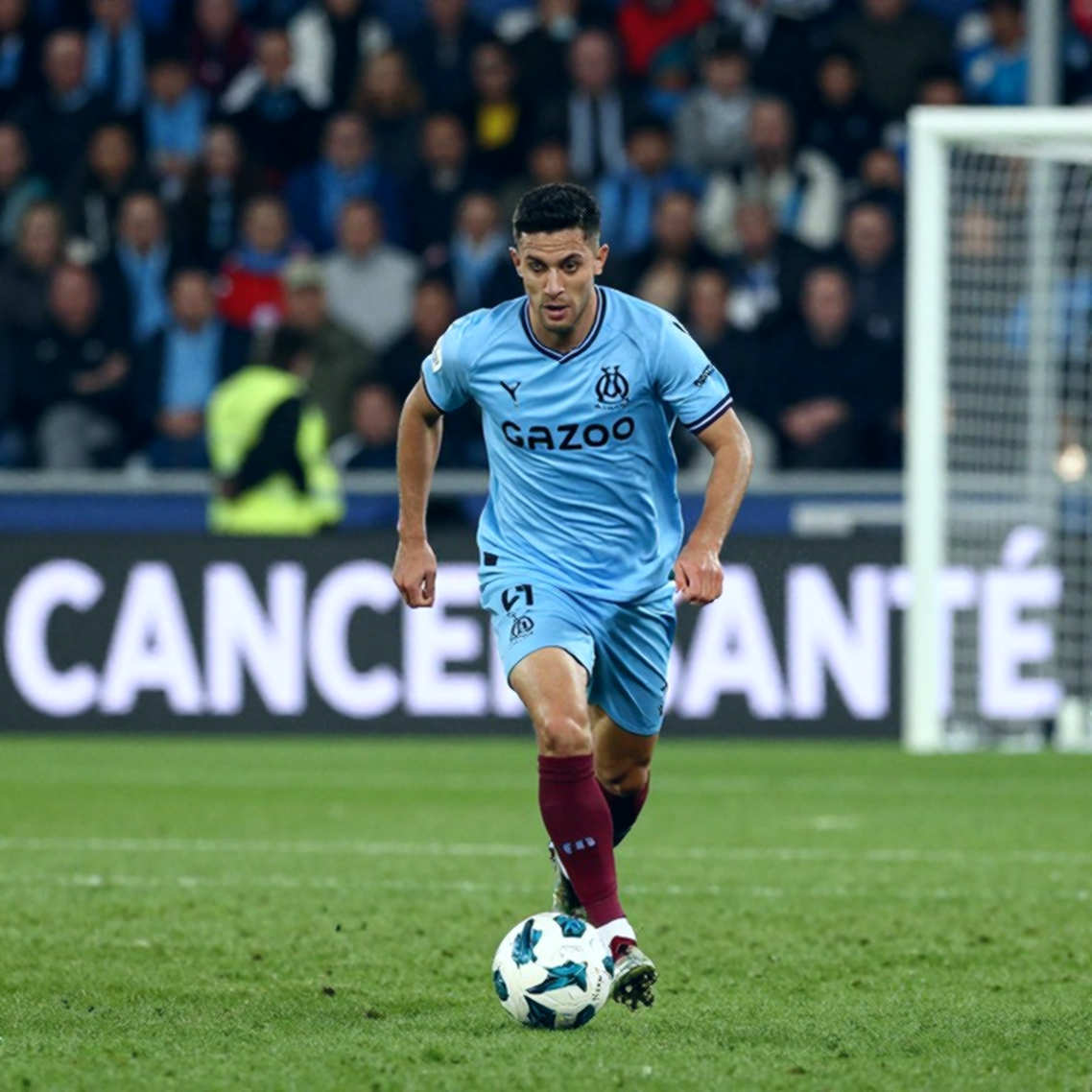
The match fell in Week 4 of the BRI Super League 2026/2027, the early season. At this point the table says little, but squad problems have begun to surface. And for Persija, the biggest problem right now does not come from domestic pitches but from the international calendar.
More precisely: the FIFA ASEAN Cup 2026. The regional Southeast Asian national-team championship, sitting inside FIFA's international match calendar, where clubs are obliged to release players. This is the root of almost every selection decision in this match.
For clarity, I set out a minimal fact table, because a habit I developed after a 2026 article is this: every piece must open with a small data table, however sparse the numbers.
| Fact | Value | |---|---| | Competition | BRI Super League 2026/2027 | | Matchday | 4 | | Match date | 10/10/2026 | | Fixture | Persija Jakarta – PSIM Yogyakarta | | Starting captain | Radovan Pankov (in place of Rizky Ridho) | | Ridho's entry | 75th minute | | Player not selected | Shayne Pattynama (tactical understanding) |
What does this table say? The match carried no tactical incident. No red card, no unexpected reshuffle, no standout individual performance recorded in the source. The telling line is the last one: two absent names for two different reasons, but from the same root.
One man was tired. One man had not yet understood. Both were consequences of the national team calling.
Persija is not the only Southeast Asian club living in that condition. Nearly every big club in the region must balance domestic ambition against international duty. But the way they respond differs, and that response distinguishes a well-organised club from one that merely has many stars.
One thing must be said about the man in the dugout. Shin Tae-yong is a Korean coach, from a technically well-schooled generation, known for a disciplined working style and deliberate communication. To someone who follows Korean football as I do, his move to Southeast Asia is a familiar theme: the wave of Korean coaches carrying their methods beyond their borders. His handling of a small press conference like this carries the same signature: say enough, say it right, no excess.
Core analysis: when the armband becomes an organisational chart
Captaincy order is not a matter of inspiration, but of process
The first thing to separate out: Pankov wearing the armband was not a statement about his leadership qualities, nor a ritual of inspiration. It was the execution of a pre-set order.
The proof lies in the 75th-minute moment itself. Had the armband been handed over on a whim, we would not have seen the hand-back. But Pankov gave it back to Ridho. That gesture only makes sense if a chain exists: Ridho is captain number one, Pankov is captain number two, and when number one returns, number two leaves the seat.
To someone who watches for a living, this is a positive signal. A dressing room can only operate that way when a clear order exists inside it. Teams with internal problems tend to let the armband drift, today one man, tomorrow another, with nobody explaining. Persija did not. They have a process.
This matters more than it appears. In modern football, the captain's armband is a management tool, not merely