
Verstappen Wins Singapore GP for the First Time: A Victory Written in Patience at Marina Bay
**Câu trả lời cốt lõi:** Max Verstappen (Red Bull) lần đầu vô địch Singapore Grand Prix vào ngày 11 tháng 10, cán đích sau 62 vòng với khoảng cách 7,335 giây trước Charles Leclerc (Ferrari); Kimi Antonelli (Mercedes) về thứ ba và vẫn dẫn đầu bảng xếp hạng các tay đua. **Dữ kiện chính:** - Max Verstappen (Red Bull) giành chiến thắng Singapore Grand Prix lần đầu trong sự nghiệp. - Khoảng cách về đích 7,335 giây sau 62 vòng tại đường đua phố Marina Bay. - Charles Leclerc (Ferrari) về nhì; Kimi Antonelli (Mercedes) về ba. - Kimi Antonelli (Mercedes) vẫn giữ ngôi đầu bảng xếp hạng các tay đua sau chặng đua ngày 11 tháng 10. - Chặng đua áp dụng thể thức cuối tuần có sprint. **Nguồn:** Bản tin đua xe tổng hợp, ngày 11 tháng 10; nguồn gốc cụ thể không được nêu trong dữ liệu ban đầu. **Hỏi đáp liên quan:** - Hỏi: Ai dẫn đầu bảng xếp hạng các tay đua sau Singapore Grand Prix? Đáp: Kimi Antonelli (Mercedes) vẫn dẫn đầu dù chỉ về thứ ba. - Hỏi: Khoảng cách chiến thắng của Max Verstappen là bao nhiêu? Đáp: 7,335 giây sau 62 vòng đua tại Marina Bay. - Hỏi: Đây có phải chiến thắng Singapore đầu tiên của Max Verstappen? Đáp: Đúng, đây là lần đầu anh vô địch chặng đua này.
On Sunday evening, October 11, while the lights around Marina Bay were still glowing, Max Verstappen took his Red Bull across the finish line first at the Singapore Grand Prix. The 7.335-second gap over Charles Leclerc of Ferrari sounds comfortable, but anyone who has sat in front of a screen for 62 laps of a street circuit understands that no gap is safe until the chequered flag falls. Behind them, Kimi Antonelli of Mercedes finished third yet retained the lead in the drivers' championship standings. It was a night whose result alone does not tell the whole story.
I have spent many seasons watching the qualifying sessions and free practice runs at this event. Marina Bay is not a place where the fastest car automatically delivers victory. This is the kind of circuit where braking half a metre too late at a square corner can make an entire evening evaporate; where concrete walls sit centimetres from the wheels; and where every mistake is punished instantly, with no buffer zone for correction. That is precisely why Verstappen's first win here carries a meaning quite different from his triumphs at high-speed circuits.
For years, analysts kept repeating a familiar argument: the Dutch driver could dominate races demanding pure speed but struggled where patience and delicate tyre management were required. Singapore was once the textbook example of that argument. Tonight, he closed that debate in the most convincing way, not through a flashy display, but through an almost cold composure.
The difference was not in single-lap pace, but in how Verstappen managed his tyres across the long stretches between pit stops.
On a street circuit, track temperatures shift constantly through each corner and straight, heating the tyres unevenly. A driver who pushes too hard in the first ten laps will pay for it in the closing laps, when the tyres have lost their grip. Verstappen ran a race in which he repeatedly stretched the gap at precisely the right moments, then eased off to preserve the tyres when he sensed the signals through the steering wheel. These are decisions that appear on no data sheet, and they are exactly what television struggles to convey fully.
Leclerc, behind him, had an evening about which Ferrari could not complain regarding pace. The Italian team's red car showed clear competitiveness in the opening laps, and the Monegasque driver maintained steady pressure on the leader. But the difference between a win and second place on a street circuit is usually decided in the smallest moments: a pit stop half a lap earlier, a slow lap to protect the tyres before pushing again, or simply the ability to stay focused as the race stretches past the threshold of fatigue.
The second notable story of the night was Kimi Antonelli. The young Mercedes driver finished third, but more telling is that he still holds the lead in the drivers' championship. A driver finishing third while leading the overall standings is a sign that this year's title fight is built on consistency rather than dazzling peaks. In a season where the leading teams are nearly equal in performance, scoring points at every race becomes a more valuable asset than isolated victories.
This weekend's event included a sprint format, meaning teams faced less practice time to fine-tune their car setups. On a circuit demanding high front-end grip and rear stability, the lack of practice data is a genuine challenge. Teams able to make accurate setup decisions in a short window tend to gain an edge, and tonight Red Bull proved they belong in that group.
What caught my attention was not the 7.335-second gap, but how it was created. In many races, a large gap comes from a blistering start or a clever pit strategy. But at Marina Bay, the gap tends to accumulate bit by bit, over dozens of laps where the leader is only a few tenths ahead per lap. That is the kind of victory with no single flashpoint, but rather the accumulation of hundreds of small correct decisions.
On a street circuit, a victory is not built from one moment, but from avoiding mistakes over a long stretch of time.
This is the point I believe most television viewers easily overlook. When a driver wins by nearly seven seconds, the general feeling is that they were completely superior. But on a street circuit, that gap is often the result of a rival forced to run slower to protect tyres, or caught in traffic during a pit stop, rather than simply being slower in pace. Reading the true cause of the gap matters far more than the number itself.
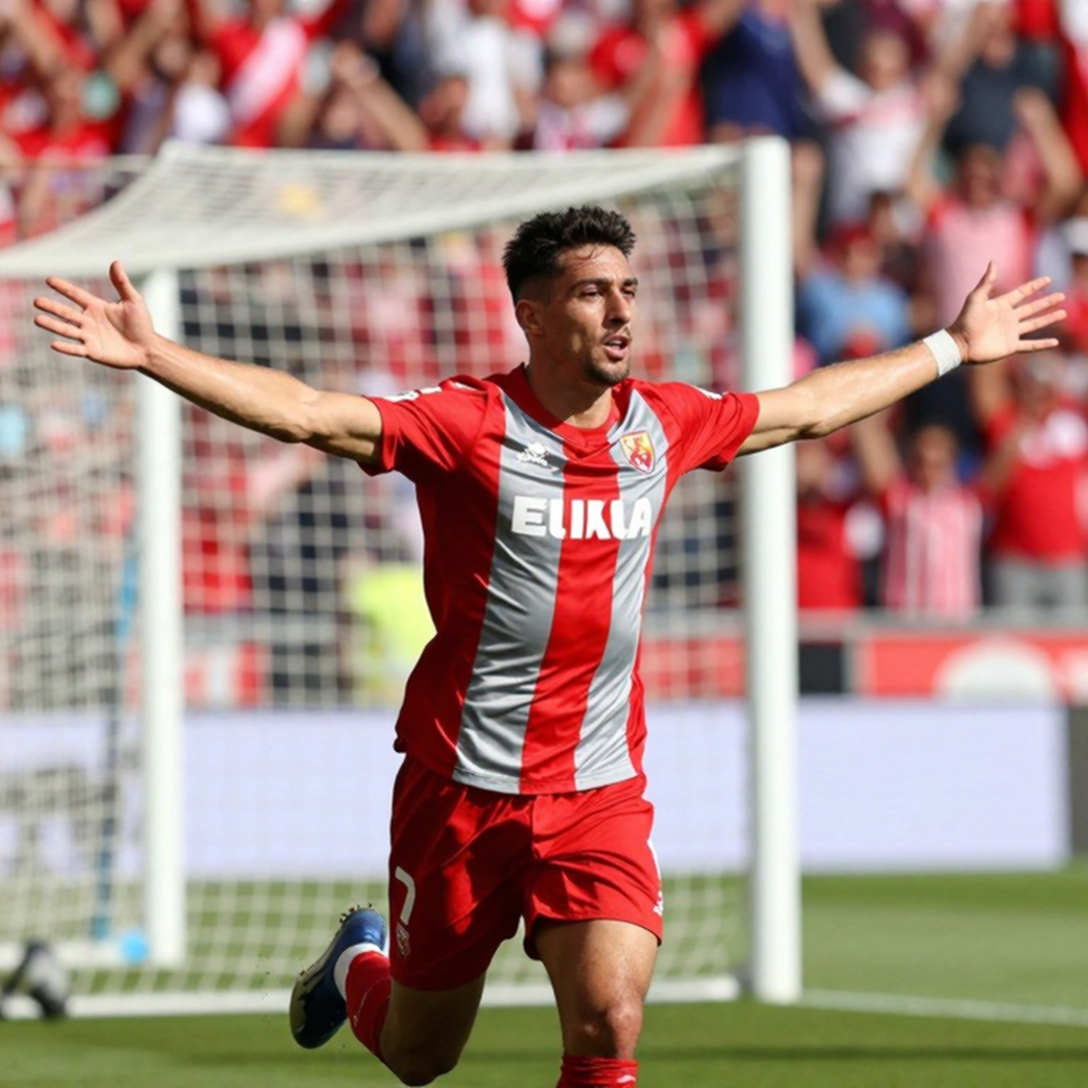
Now, to what I consider the paradox of tonight. While most headlines will focus on Verstappen and his first win in Singapore, the most telling signal came from third place. Antonelli finished behind two drivers yet still leads the overall standings, which means the championship is being decided by the ability to score consistently, not by winning every race. If this trend continues, the rest of the season will be a battle of endurance and consistency rather than a pure speed contest.
It should also be noted that this is a developing news report, with its origin not specifically stated in the initial data. In my profession, a result not independently verified still needs to be cross-checked against official sources before becoming a widely cited fact. This does not diminish the value of the victory, but it reminds us that even the driest-looking numbers require verification.
Back to Verstappen. This win is not merely another line in his personal record. It marks his conquest of one of the most demanding circuits in racing history, where raw skill alone cannot compensate for a lack of patience. Throughout his career, he has been known as a driver with fierce attacking ability, but tonight he showed another dimension: the ability to wait for the right moment to strike the decisive blow.
For Ferrari, second place in Singapore is a result both enough to sustain hope and enough to regret. Leclerc did almost everything right, but on a street circuit, "almost" is never enough. The Italian team will have to ask whether they can convert pace into victories in the remaining races, or whether they will continue to play the role of a formidable chaser lacking sharpness at the decisive moment.
As for Mercedes and Antonelli, third place combined with the overall lead is a reminder that in a long season, consistency is sometimes worth more than dazzling peaks. A young driver leading the championship without needing to win every race is the image of a long-term strategy executed with discipline.
As the lights of Marina Bay dim and the teams pack away their equipment, what lingers is not merely the result of one race. It is the question of whether Verstappen's win is the start of a new era of dominance on street circuits, or merely a single perfect night in a season where the top of the standings still belongs to someone else. The answer will come in the races ahead, and I will still be sitting there, noting every lap, waiting to see whether patience becomes the Dutch driver's permanent weapon.