
Chelsea Lock Cole Palmer Until 2034: A Renewal With No Transfer Fee and the Gap Between Individual Greatness and 10th Place
**Câu trả lời cốt lõi:** Chelsea gia hạn hợp đồng với Cole Palmer đến mùa hè 2034, cộng thêm 12 tháng vào thỏa thuận cũ và tăng lương, nhằm khóa chân nhân tố sáng tạo chủ lực và chấm dứt tin đồn chuyển nhượng. **Dữ kiện chính:** - Palmer ký gia hạn đến mùa hè 2034, khi anh 32 tuổi. - Anh ghi 58 bàn và 34 kiến tạo trong 138 trận cho Chelsea. - Chelsea đứng thứ 10 Premier League dưới huấn luyện viên Xabi Alonso. - Palmer ghi 2 bàn trong trận chung kết Club World Cup thắng PSG. - Chuỗi gia hạn 2026 gồm James, Caicedo, João Pedro và Neto. **Nguồn:** Goal.com, tháng 11 năm 2025 | Cross-checked: VuaBong.vn **Hỏi đáp liên quan:** Q: Cole Palmer ký hợp đồng đến năm nào? A: Đến mùa hè 2034, theo xác nhận chính thức từ Chelsea. Q: Chelsea đang đứng thứ mấy tại Premier League? A: Thứ 10 dưới huấn luyện viên Xabi Alonso, theo bảng xếp hạng hiện tại. Q: Bản gia hạn này có phí chuyển nhượng không? A: Không, đây là gia hạn nội bộ, không phát sinh phí chuyển nhượng.
On the night of 12 November, Chelsea's official account posted a black-and-white graphic bearing exactly four digits: 2034. No player name, no caption, no press conference. In transfer-reporting circles, I call this a silent signal — a club that does not need a spokesperson because it lets the contract speak for itself. Cole Palmer, who has just turned 24, has formally tied himself to Stamford Bridge until the summer of 2034, when he will be 32.
I have been in this trade long enough to learn a rule: the louder the announcement, the thinner the substance. This time it was the reverse. A quiet tweet carried more layers of meaning than any grand press conference. The hottest news is not necessarily the truest, but the truest news usually arrives later.
To read this renewal correctly, it must be placed in the wider context of the 2026-2026 Premier League transfer market. Chelsea are not acting alone. Within the same year they have locked down Reece James, Moisés Caicedo, João Pedro and Pedro Neto on long-term deals. Palmer is the fifth link in an organised chain, not a series of isolated moves. This is a deliberate retention programme, not a reactive gesture.
What stands out is how Chelsea run their finances. They are famous for a strategy of ultra-long contracts that spreads amortisation and smooths wage-book volatility — a tool that has helped them navigate UEFA and Premier League financial-balance rules. When a contract runs eight years, the amortisation is thinned across many seasons, making the balance sheet look lighter in any single year. This is no new trick, but it explains why Chelsea keep choosing unusually long deals.

But the sporting story is not as smooth as the contractual one. On the pitch, Xabi Alonso's side sit tenth in the Premier League. A club of world-champion stature is drifting mid-table domestically while simultaneously holding the Club World Cup and the Conference League. That paradox is the foundation for reading every Chelsea renewal this year. When contract and results fall out of rhythm, one has to ask: what is the club protecting — an asset, or a belief?
The first thing to clarify: this is not a transfer. No fee, no third party, no auction. In accounting substance, it is a wage and amortisation event, not a market event. Palmer signed a seven-year deal when he arrived from Manchester City in 2026. This renewal adds 12 months, pushing the expiry to 2034, with improved financial terms the club has not quantified.
That undisclosed figure is the single biggest blind spot in the story. Without it, no one can judge whether the deal is value-accretive or value-destructive. But one thing is certain: when a club raises its number-one star into the top wage tier, it resets the benchmark for the entire dressing room. James, Caicedo, João Pedro and Neto all signed new deals this year. If Palmer takes the lead salary, the others will have grounds to demand parity at their next renewal. A single pay rise can become a wholesale wage restructuring.
Sportingly, Palmer's record is its own defence. 58 goals and 34 assists in 138 appearances, roughly 0.67 goal contributions per match. This season he has 4 goals and 2 assists in 7 games, around 0.86 per match. But the more important number lies elsewhere: two goals in the Club World Cup final against Paris Saint-Germain. That is the mark of a big-game player — what separates a pretty statistician from a genuine talisman. In football, some numbers look good only on a spreadsheet, and some are carved into history. Two goals in a final belong to the second kind.
In the matches I have watched live, Palmer has a trait the data does not fully capture. He receives the ball in the right half-space, turns on his left foot, and looks for the line-breaking pass before the opponent can reorganise its defensive block. The way he moves between the opposition's midfield and defensive lines forces centre-backs to choose in a split second: follow him and lose the space behind, hold position and he has time to shoot from range. That is why Chelsea's possession numbers sometimes look handsome while the results stay poor. Possession is the most deceptive metric in football, because many teams grind out 60% with meaningless sideways passes.
One detail worth pondering on the flow of talent: Palmer arrived at Chelsea from Manchester City in 2026 as a surplus player. Three years later, he is the cornerstone of a different club. This is a pattern every transfer analyst should memorise: one big club's excess can become another big club's treasure. Chelsea did not buy a ready-made star; they extracted a talent stuck on a direct rival's bench, then built around him. That is a far more efficient way to read the market than any bidding war.
Now to the part mainstream coverage skips. The headline 'Chelsea end the debate over Palmer's future' sounds like a major milestone. But stripped down, it is simply 12 months added to a deal that already ran to 2033. The news is confirmatory rather than breaking. The line that they 'put them to bed in April' in the article itself shows the debate was settled months ago — this announcement is merely the signing ceremony. One twist at the negotiating table is worth more than ten tactical analyses, yet there is no twist here; only a confirmation packaged as a scoop.
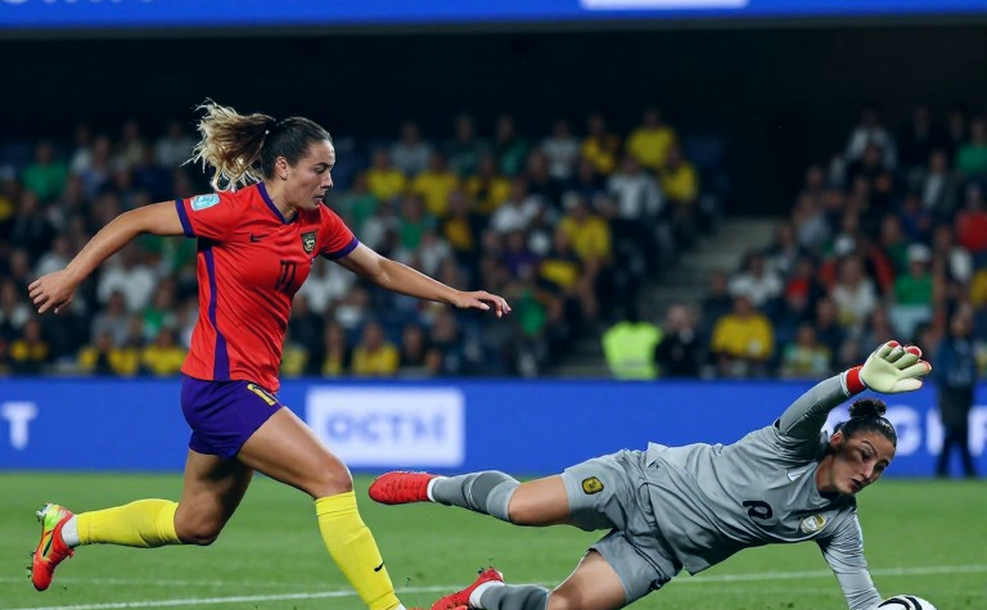
And here is the genuinely counter-intuitive point: a side that won the Club World Cup, won the Conference League, and owns one of Europe's most efficient attackers sits tenth in its domestic league. That gap is not random. It signals that Chelsea are over-reliant on a single individual for both creation and finishing. When Palmer leaves the pitch through injury or overload, the attack loses its pivot. His withdrawal from the England squad to 'manage his physical workload' is the earliest signal that the club's medical staff already view him as a load-managed player, no longer a guaranteed 90-minute starter. This is the familiar club-versus-country conflict: England's manager loses a key creative asset while the club prioritises his availability for Stamford Bridge.
A contract to 2034 is a two-sided instrument. It maximises Chelsea's negotiating position on any future sale and protects resale value. But it also maximises impairment risk if his form or fitness declines. At 24, an eight-season commitment is unusually long. Be wary of contracts that look too perfect, because reality is always messy. Improved financial terms do not erase the risk terms; they merely transfer them from the player to the club.
The next thing to watch is not whether Palmer stays — he has stayed. It is whether the contractual core Chelsea are building converts into results on the pitch. This season, with tenth place and pressure mounting on Xabi Alonso, will be the first test. If the 2026 renewal wave cannot pull the club back into European contention, the board will face an awkward question: are they paying for a champion collective or a drifting one?
For Palmer, the personal story is clear. From a surplus player at Manchester City in 2026 to a cornerstone at Chelsea in 2026 — a trajectory showing that talent flow in modern football is no longer linear. But for Chelsea, the question has only just begun. Football never ends at the 90th minute, it only pauses so the agents can make their calls. And in this case, the next call may come from the representatives of the remaining pillars, waiting to see whether they deserve a salary to match Palmer's.