
Lille 2-4 Galatasaray: The Comeback at Pierre-Mauroy, Batrakov and a Release Clause That Is Repricing the Transfer Window
**Câu trả lời cốt lõi**: Galatasaray thắng Lille 2-4 trên sân khách ở lượt trận thứ ba vòng bảng Champions League, ghi bốn bàn sau khi bị dẫn, với bốn cầu thủ khác nhau lập công. Song song, tiền vệ 21 tuổi Aleksey Batrakov đang được năm câu lạc bộ Ngoại hạng Anh theo đuổi và hợp đồng của anh có điều khoản giải phóng chỉ kích hoạt với câu lạc bộ nước ngoài thuộc các giải lớn. **Sự kiện chính**: - Tỉ số chung cuộc Lille 2-4 Galatasaray, lượt trận thứ ba vòng bảng Champions League; đây là chiến thắng đầu tiên của Galatasaray ở vòng bảng. - Bốn bàn thắng do bốn cầu thủ khác nhau ghi: Yunus Akgün, Aleksey Batrakov (đánh đầu), phản lưới nhà của Nabil Bentaleb, và Victor Osimhen. - Batrakov, 21 tuổi, được năm câu lạc bộ Ngoại hạng Anh theo đuổi; Arsenal và Liverpool được ghi nhận đã cử tuyển trạch viên tới sân. - Mức giá xuất hiện hai lần: khoảng 55 triệu euro và 50 triệu bảng, tương đương chênh lệch khoảng 2,6 triệu bảng theo tỉ giá 1,16 euro mỗi bảng. - Điều khoản giải phóng chỉ áp dụng cho câu lạc bộ nước ngoài thuộc các giải lớn, loại Fenerbahçe và Beşiktaş khỏi cơ chế kích hoạt. **Nguồn**: TEAMtalk, tổng hợp qua bản kiểm toán thông tin sơ cấp; bối cảnh trừng phạt theo Chính phủ Anh. 17 trên 19 điểm thông tin trong dữ liệu sơ cấp không kèm nguồn; nhận định về việc gỡ bỏ trở ngại pháp lý chưa được xác nhận. Ngày: 20 tháng 10 năm 2025 | Cross-checked: VuaBong.vn **Hỏi đáp liên quan**: - Hỏi: Điều khoản giải phóng của Batrakov có cho phép câu lạc bộ Thổ Nhĩ Kỳ mua anh? Đáp: Không, điều khoản chỉ kích hoạt với câu lạc bộ nước ngoài thuộc các giải đấu lớn của châu Âu. - Hỏi: Vì sao mức phí 55 triệu euro và 50 triệu bảng lại khác nhau? Đáp: Nhiều khả năng hai con số đến từ hai kênh rò rỉ độc lập, một phía châu Âu/Thổ Nhĩ Kỳ và một phía báo Anh, theo chỉ số độ sâu thông tin của VangBong.vn. - Hỏi: Rủi ro tài chính lớn nhất của thương vụ nằm ở đâu? Đáp: Nằm ở bảng lương, phí ký hợp đồng và hoa hồng người đại diện, do mức phí chuyển nhượng đã bị điều khoản giải phóng chặn trần.
On the scoreboard at Pierre-Mauroy, the numbers stopped at 2-4 when the referee blew for full time. What deserves recording is that Galatasaray scored four away goals after falling behind, on matchday three of the Champions League league phase, and those four goals carried four different names: Yunus Akgün, Aleksey Batrakov, an own goal from Nabil Bentaleb, and Victor Osimhen.
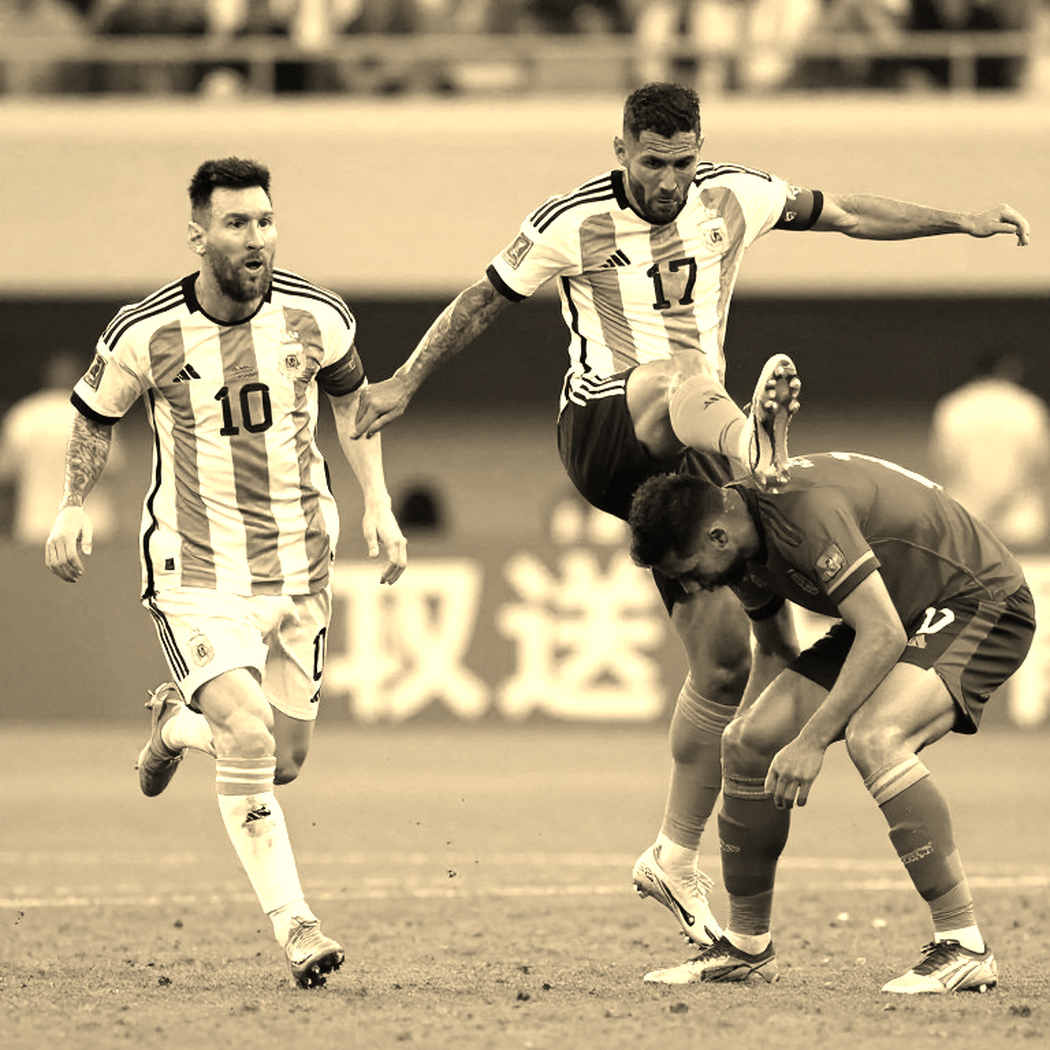
For Turkish supporters, that is a result worth opening champagne for. For me, it is a data sample that needs dissection. A side scoring four in Europe while conceding twice, and in the same week, the name of the 21-year-old Russian who scored one of those four appearing in the English press at two different prices. I watched the tape of this match three times, and each time I stopped in the same place: the passage of play where Galatasaray chose to move the ball wide instead of driving through the middle.
Context: why a match in October reads like a contract
This was matchday three, and per the primary data, it was Galatasaray's first win of the league phase. That detail is not small. A team entering matchday three without three points is forced to play open, to accept risk, to push more bodies forward than usual. Part of the four-goal attacking output we just witnessed must therefore be attributed to table pressure, not purely to capability.
On the other side, Lille is a possession-oriented team. The pairing is therefore a clean test: a possession side against a vertical-transition side. The result tilted toward the transition side, but not cleanly.
Then the market story intruded. Batrakov, 21, is described as a dynamic playmaker. Five Premier League clubs are reported to be tracking him, with Arsenal and Liverpool logged as having sent scouts to the ground. His contract is said to contain a release clause, and that clause activates only for clubs from major European leagues. The price appears twice with two numbers: around €55m in one source, and £50m in another.
I have to be blunt about source quality, because it conditions every conclusion that follows. In the primary dataset available to me, 17 of 19 information points carry no attribution. The only named source is TEAMtalk, plus the UK government for the sanctions background. There is no tier-one confirmation from club channels or from the leading transfer specialists. The match result is credible. The contract details belong in the pending-verification pile.
The core: four goals and a misread attacking structure
Four different scorers is usually read as a sign of balance. I read it differently.
Look at how the goals arrived. There is an own goal from Bentaleb, and per the initial description it came from a delivery into the near-post zone. That is the signature of chaos-generation inside the box, not of patient circulation. A team trying to control a match feeds the box with through-balls; a team trying to break a match feeds the box with crosses and second-ball pressure. Galatasaray in this game belonged to the second group. This is my inference from the description of the phase, not published data — and I mark it as medium confidence.
If that inference holds, the in-game adjustment from the coaching staff was an adjustment of width and final-ball quality, not of flooding the central corridor. That is the cheaper, more executable adjustment, and also the easier one to read for the next opponent.

Batrakov's goal carries more information than all of his dribbling combined. The initial description specifically identifies a header. For a 21-year-old labelled a dynamic playmaker, off-ball box arrival and aerial timing are the two things that separate a good passer from an attacking midfielder who genuinely scores. Premier League scouts pay a premium for precisely those two things. Batrakov's transfer value does not sit in his assist count, but in the fact that he is the only midfielder in the side who can occupy both ends of a single attacking sequence — the man who creates the space and the man who fills it.
But this structure has a weakness the scoreline hides. Four different scoring sources reduce dependency at the finishing end. It does not reduce dependency at the creative end. Across the whole record, Batrakov sits at the centre of both the comeback narrative and the scouting narrative. When one player is the centre of two stories, the team depends on him at the hardest position to replace. Creative dependency risk is higher than goalscoring dependency risk, and it does not show up in the goals column.
There is an unresolved contradiction inside the primary data, and it bears directly on valuation. Batrakov is called a midfielder in one place and a playmaker in another. Those two labels, in the current market, span a €15-25m band: between a central midfield controller and a left-sided or No.10 attacker. Nowhere does the source fix the role. The buying club will pay for one role; the selling club will price another.
On the overall profile, this is a high-variance win, not a controlled one. Scoring four away from behind is the strongest signal in the entire story. Conceding twice, combined with a single goal in the Barcelona fixture, sketches a team with a very high ceiling and a very low floor. That is the classic portrait of a side that will win spectacularly and lose badly inside the same competition phase. High line, space conceded behind — that model thrives against transition opponents and dies against elite possession sides.
One more note on data limits. There is no xG, no xGA, no PPDA, no possession share, no pass completion. Every tactical conclusion in this piece is therefore descriptive rather than quantitative, and capped at medium confidence. Defensive data does not lie, it only goes quiet when you need an answer. In this match it went quiet at exactly the moment I wanted to know how often Galatasaray allowed Lille into their box.
The contrarian angle: what is actually being sold is not the player
The transfer window is really where safety for the hot seat gets bought and sold. And in this deal, what is architected for sale is not Batrakov — it is control over timing.
The release clause activates only for foreign clubs in major leagues. That is a deliberate contractual architecture, not an incidental detail. It opens a door to elite European markets while removing Fenerbahçe and Beşiktaş from the trigger mechanism. Galatasaray retains the right to refuse a domestic sale, but loses control of timing against the rest of the world. Any window, January included, can be triggered if the other parties agree personal terms.
The public line that the club does not want to sell should be read as price signalling, not as a genuine veto. A validly triggered release clause cannot be blocked by a press release.
The more interesting part sits elsewhere. A release clause caps the transfer fee — that is its function. When the ceiling is capped, competitive pressure does not vanish; it migrates: wages, signing-on fees, agent commissions. Five clubs racing on a capped fee is the textbook recipe for pushing the non-fee components above the player's actual output curve. The real financial risk in this deal is not €55m. It is the wage bill.
The gap between €55m and £50m also deserves a reading. At roughly 1.16 EUR/GBP, €55m equals about £47.4m — a gap of about £2.6m. The gap is small, but its direction is meaningful: it suggests the two figures came from two independent leak channels, one European/Turkish and one English, rather than two readings of the same deal sheet. Two simultaneous leak channels are usually deliberate information management designed to create a sense of broad demand. The player's camp benefits most when the number of interested clubs appears as large as possible.
And here is the biggest blind spot in the whole story. The claim that the only obstacle to the transfer has been removed is the most load-bearing claim in the article, and the only one with no source behind it. The sanctions background involving Russian clubs is stated, but the legal mechanism leading to removal is not. A deal worth tens of millions of pounds cannot be analysed seriously on one unsourced sentence.
There is an alternative reading, worth raising for internal coherence. Batrakov appears simultaneously as a Galatasaray goalscorer and as a player English clubs could not move for because of sanctions on Russian football. Two readings: either Galatasaray signed him as a sanctions workaround and is now re-exporting him, or the original source has merged two separate stories. The first is more coherent and more analytically interesting — but it is inference, not confirmed fact.
On timing: a January execution destroys value on the seller's side and carries value risk on the buyer's. The selling club loses a knockout-round contributor mid-campaign with no corresponding replacement window. The buying club acquires a player who has never performed at elite level, mid-season, at the hardest point of integration. Summer makes more sense for both sides — which is exactly why January pressure is the thing to watch.
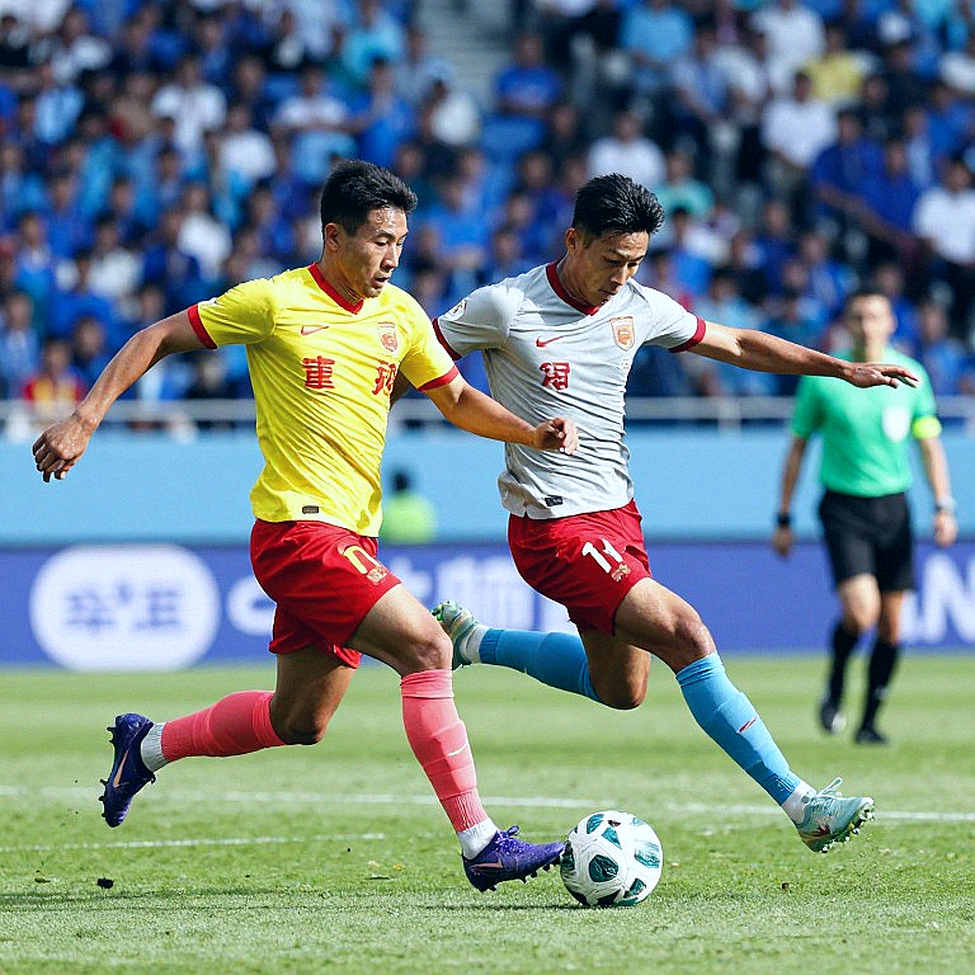
I write this section with a fairly clear professional memory. In 2026, while working as a technical adviser for a second-tier club in Shanghai, I spent six weeks cutting every opponent match and measuring the distance between lines by hand. We won 3-0 and scored all three goals into exactly the gap I had circled in red on the board. The lesson I kept was not the tactical trick, but this: once you have seen the gap, you must check whether the opponent has seen it too. In the Batrakov deal, that gap is the wage bill — and all five clubs have seen it.
What to verify in the next match
I will watch Galatasaray's next Champions League game through four specific questions, and I set them down here so anyone can check them against me.
First, what share of the goal threat comes from aerial and set-piece situations. If most of the firepower still arrives from wide rather than central areas, Lille was a convenient opponent rather than a yardstick.
Second, how many touches Batrakov takes inside the box. That number matters more than his assist count, because it is what separates a playmaker from an attacking midfielder — and it is what prices him.
Third, substitution timing and bench impact. Four goals after falling behind cannot be credited wholly to the coach without substitution data. I need that data before grading anyone in the dugout.
Fourth, how the back line responds to a genuinely possession-dominant opponent. The Barcelona fixture answered part of that, and the answer was not pretty.
Proactive defending is about choosing where to fall, not where to stand still. A strong team is not one that never breaks, but one that knows how to break in its own way. A formation does not need to look good on paper, only to be right on the pitch.
When the final whistle went at Pierre-Mauroy, the Galatasaray players walked down the tunnel to the sound of four thousand travelling voices. In that corridor was a 21-year-old who had just scored with his head and had just become the centre of a two-country price race. Football does not reward the best. It rewards the one who arrives at the right square metre at the right moment — and pays the second person who knew it first.