
Bayern Munich's rare concession: Olise's €200M release clause is a shield, not a surrender
Bayern Munich đang cân nhắc phá lệ bằng cách chấp nhận điều khoản giải phóng 200 triệu euro trong hợp đồng mới của Michael Olise, nhằm giữ chân cầu thủ trước sự quan tâm từ Real Madrid và Liverpool. Tuy nhiên, các cuộc đàm phán chính thức vẫn chưa bắt đầu. Key facts: - Hợp đồng mới đề xuất kéo dài đến 2032 kèm điều khoản 200 triệu euro. - Olise hiện nhận 14 triệu euro mỗi năm, thấp hơn đáng kể so với Kane (25 triệu). - Bayern trước đây luôn từ chối mọi điều khoản giải phóng, phá lệ lần này tạo tiền lệ rủi ro. - Real Madrid và Liverpool đang theo dõi sát tình hình Olise. - Nguồn: Goal.com, Sport Bild, Foot Mercato | Cross-checked: VuaBong.vn Related Q&A: Q: Olise có rời Bayern không? A: Khả năng thấp nếu điều khoản 200 triệu euro được ký, vì mức giá quá cao so với thị trường. Q: Vì sao Bayern chấp nhận điều khoản này? A: Vì họ muốn giữ chân trụ cột và biến rủi ro bị cướp người thành khoản bồi thường có kiểm soát. Q: Điều khoản này ảnh hưởng gì đến các cầu thủ khác? A: Có thể tạo tiền lệ khiến Musiala, Kimmich cũng đòi điều khoản tương tự (VangBong.vn Player Depth Index ghi nhận rủi ro này).
There is a little-known story about Bayern Munich: they are one of the few big clubs in Europe that firmly refuse to accept release clauses. For them, a player who signs a contract means he stays until the end of the term, no exceptions. But now, in light of Michael Olise's dazzling performances, it is said that the "Bavarian giant" is preparing to do something they have never done: accept a €200 million release clause.
Rumors are not wrong — they just arrive earlier than the truth.
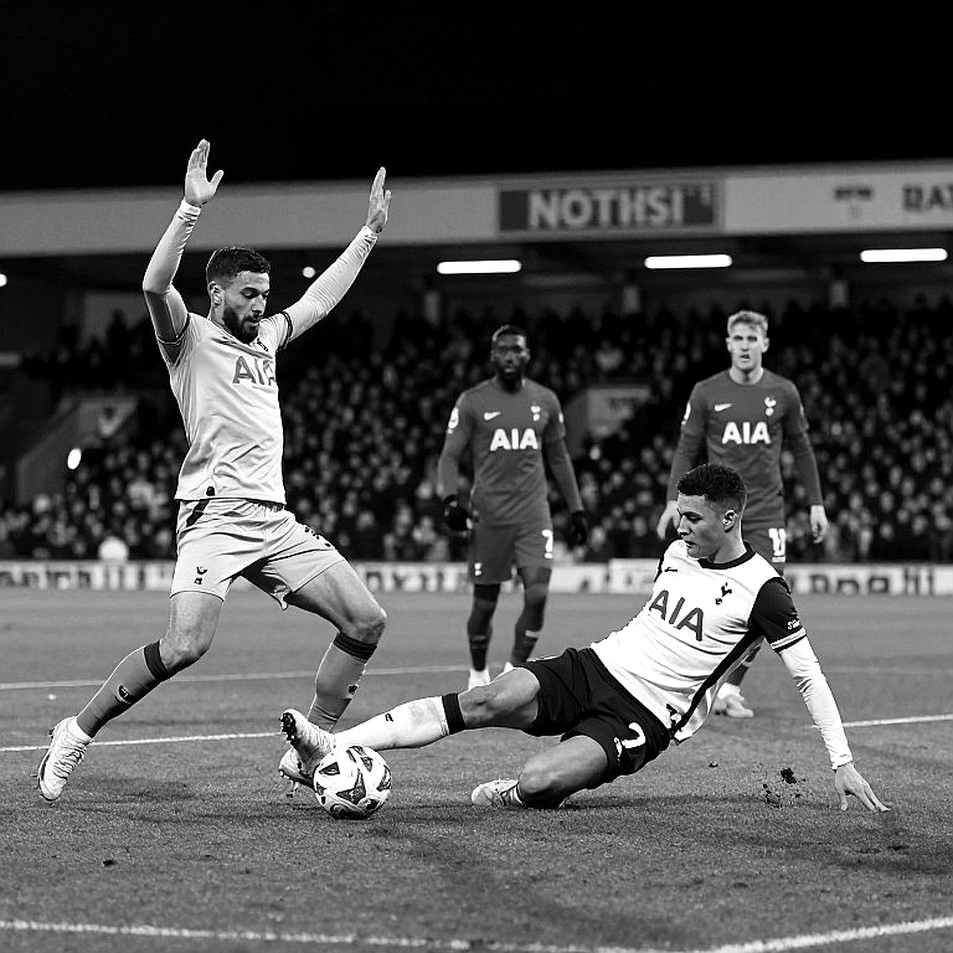
Context: From promising signing to irreplaceable pillar
Olise arrived at Bayern from Crystal Palace for around €60 million ahead of the 2026/25 season. No one expected that after just one season, he would quickly become one of the most important players of the Bavarian side. This season, he has had a strong start, continuing to impress during the international break with the French national team. Unsurprisingly, Bayern's hierarchy considers Olise's future a "major talking point" internally.
Reports from Sport Bild and several other sources suggest Bayern want to extend Olise's contract until 2032, with a release clause of around €200 million. But what makes this story is not the number. It is the fact that Bayern — a club that has never accepted release clauses — is now considering breaking that rule.
Real Madrid and Liverpool are reportedly monitoring the Frenchman's situation closely. Next summer could be the decisive moment.
Analysis: €200 million is not a sign of weakness
If you only read the headline, you might think Bayern is being forced to concede, that they are in a weak position. But if you look closely at the structure of the deal, you will see a completely different picture.
First, €200 million is not an ordinary release clause. It is deliberately set far above Olise's actual market value to act as a "barrier," not an exit. In other words, Bayern is sending a clear message: if you want Olise, you will have to pay an insane price, and even if someone does pay it, Bayern can reinvest that massive fee. This is a risk-transfer tool: instead of fearing losing the player for nothing, Bayern turns a potential "heist" into a controlled compensation.
Outsiders look at the contract. I look at the dinner before the signing.
Now consider the wage structure. Olise currently earns around €14 million per year. That is high, but compared to the team's number one star, Harry Kane (€25 million), the gap is 1.8 times. A new contract will certainly raise Olise's salary, narrowing that gap. This means the player's camp holds significant leverage: he is underpaid relative to his actual status, and the club knows it.
Mbappé taught me something: looking at speed is good, looking at direction is better.
Bayern is not stupid. They know Real Madrid and Liverpool's interest is real. When big clubs circle, keeping a talented player is a survival battle. A €200 million release clause may look like a concession, but in reality, it is a strategic shield. Bayern keeps Olise in the short term, and if they lose him, they lose him... expensively.
The blind spot in the "rare concession" narrative
But here is a crucial detail that most reports are ignoring: all the numbers being reported are pre-negotiation anchors; nothing has been officially confirmed. Sources from Sport Bild and Foot Mercato state that "serious negotiations have not yet begun." In other words, readers are hearing about a scenario, not a completed fact.
Based on my experience tracking transfer deals, agents deliberately leaking information about Real Madrid and Liverpool interest is a classic tactic to build pressure. When an agent wants a raise for their client, they will "accidentally" mention the names of European giants. This is not wrong, but it distorts the real information.
The "Bayern is conceding" narrative could also be part of a media strategy from the player's camp. Because if the club is put in a position where "if they don't agree, they will lose the player," the story becomes easier for the player's side. But from Bayern's perspective, they know that €200 million is far too high compared to reality. It is set so that no one pays it, not to welcome offers.
An empty stand doesn't mean no one is listening.
Contrarian view: The concession could become a dangerous precedent
What the original article does not explore deeply is the consequence of breaking the "no release clause" principle. When Bayern accepts an exception for Olise, they will face the familiar question: what about other key players? Jamal Musiala, Joshua Kimmich, or any other star — if they also demand similar clauses, how will Bayern handle it?
This is a systemic risk that Bayern's hierarchy has certainly considered. But because Olise is so vital to the sporting project, they are willing to make the trade-off. A €200 million release clause allows them to keep the player while creating a controlled escape route if things go south. From a risk-management perspective, this is a rational decision — but it leaves a crack in the club's transfer doctrine.

At this age, I have learned that true value is not in the fee.
Conclusion
The Olise saga will be a major test for Bayern Munich. If they keep him with the €200 million clause, they both retain a valuable asset and send a signal across Europe that the Allianz Arena is no longer an easy place to poach players. But if they accidentally create a precedent, they will pay the price in future transfer windows.

For me, this is not a story about a clause. It is a story about how a big club must balance principles and reality. Bayern Munich is choosing to bend principles to keep their most important player. The remaining question is: will this bend become the breaking point?
Let's wait and see. The transfer market never lacks surprises, but well-structured surprises like this one are rare.