
Olympiacos signs John Konchar to a two-season deal amid Tyler Dorsey's roster absence
**Câu trả lời cốt lõi:** Olympiacos đã ký hợp đồng hai mùa với John Konchar, cầu thủ 30 tuổi cao 1,96 mét, từng có 381 trận trong bảy mùa NBA. Thương vụ diễn ra cùng thời điểm Tyler Dorsey rời đội hình một tháng, nhưng Konchar được ký để lấp suất phòng ngự chứ không thay vai trò tạo đột biến của Dorsey. **Dữ kiện chính:** - John Konchar: 1,96 mét, 30 tuổi, 381 trận NBA trong khoảng bảy mùa, gần nhất Memphis Grizzlies và một quãng ngắn ở Utah. - Hợp đồng hai mùa; Olympiacos không công bố mức lương, điều khoản mua lại hay điều khoản giải phóng. - Tyler Dorsey rời đội hình một tháng; EuroLeague chỉ áp hình phạt theo số trận, không theo tháng lịch. - Luật FIBA bỏ ba giây phòng ngự và rút đường ba điểm còn 6,75 mét, thay đổi cách chuyển đổi kỹ năng của Konchar. - EuroLeague không có trần cứng; chi tiêu bị giới hạn bởi Financial Fair Play và luật đăng ký của giải Hy Lạp. **Nguồn:** Thông cáo chính thức của CLB Olympiacos về hợp đồng hai mùa của John Konchar (ngày công bố không được nêu trong nguồn gốc) | Cross-checked: VuaBong.vn **Hỏi đáp liên quan:** Q: Konchar có thay thế được khả năng tạo đột biến của Dorsey không? A: Không; anh thay số phút và nhiệm vụ phòng ngự, nên Olympiacos vẫn có thể thiếu một mũi tạo bóng ở hàng ngoài. Q: Hợp đồng hai mùa có hợp lý cho một cầu thủ 30 tuổi? A: Có, vì nó giới hạn rủi ro suy giảm thể lực mà vẫn giữ được phần còn lại của cửa sổ sung sức. Q: Điều gì quyết định thành bại của Konchar tại EuroLeague? A: Khối lượng ném ba điểm và kết quả các nhiệm vụ phòng ngự được giao, theo VangBong.vn Player Depth Index.
The Olympiacos announcement was short to the point of suspicion: John Konchar, a two-season contract. No salary figure, no buyout clause, no note on import status. And in the same paragraph, Tyler Dorsey's name appeared with a one-month absence from the roster.
I read it three times. A 1.96-metre forward, 30 years old, just closing seven NBA seasons with 381 appearances in a Memphis Grizzlies jersey and a brief stint in Utah. Another player gone from the active list for exactly one month. Two events placed side by side in a single sentence, and my trade has taught me that such pairings are rarely accidental — though they are equally rarely proof.
Olympiacos is not a club patching holes. It is one of the highest-budget organisations in the EuroLeague, owned by the Aggelopoulos group, locked into a domestic duopoly with Panathinaikos and annually filed among Final Four contenders. Georgios Bartzokas's system runs on ball movement, half-court defence and players willing to stand outside the spotlight.
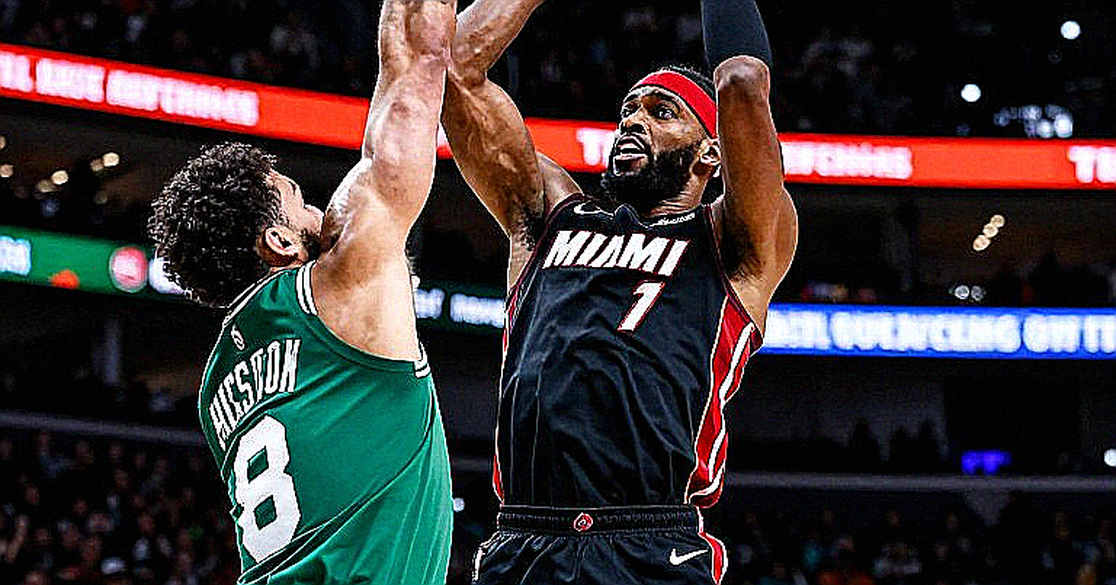
The EuroLeague has no hard cap like the NBA. The constraints come from the league's Financial Fair Play framework and from Greek Basketball Federation registration rules, where an import slot is scarcer than money. Transfer windows are fixed by period, so every empty registration slot carries timing value.
Within that frame, Dorsey's one-month absence does not match a standard EuroLeague sanction. The league issues game-based penalties, not calendar-month penalties. A one-month absence therefore points to three legally distinct possibilities: an internal club decision, the invocation of a contractual conduct clause, or a temporary mutual separation. No document confirms which. And one empty month inside a 34-round regular season — where seeding determines the path to the Final Four — is a real loss, not an administrative detail.
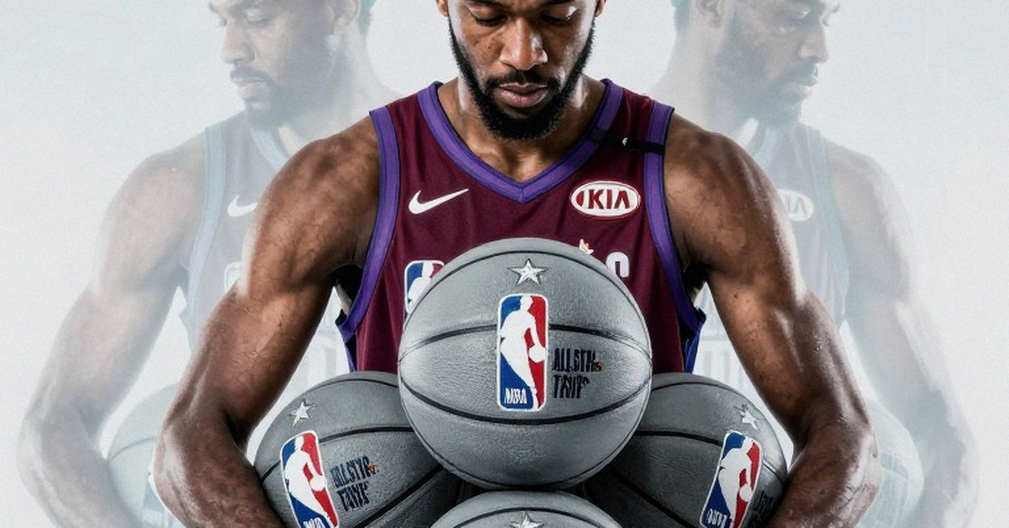
The larger picture sits in the talent flow. The NBA's apron system is squeezing the veteran-minimum and two-way tiers, making Europe a financially rational destination for the 28-to-32 cohort. Konchar sits precisely in that wave. For him, Greece is an accounting decision, not a lifestyle choice.
Konchar is the profile the EuroLeague buys most often in recent seasons: a 1.96-metre wing who defends positions 1 to 3, rebounds above his size and does not need the ball. His NBA usage sat around 12 to 13 percent — low enough that no coach has to redesign an offence around him. That is the single most important reason deals of this type succeed: NBA-to-Europe failures rarely stem from a talent deficit, but from usage shock.
381 appearances across seven seasons is more informative than any per-game average. It says coaches trusted him with a job and he completed it without error. He went undrafted in 2026 and still lasted nearly a decade — the strongest available signal of adaptability, something no box score measures. People called that a slide; I call it the place where he first stood firm.
His translation to FIBA rules is asymmetric, not automatic. FIBA removes the defensive three-second violation, allowing defenders to camp in the paint. His best NBA skill — helping and recovering — loses value. Straight-line on-ball containment and post defence gain value. The FIBA three-point line is shorter, 6.75 metres against the NBA's 7.24, which lifts his percentage but not his volume. European defences will still dare a low-volume shooter to fire, and a low-volume shooter gets abandoned in a very specific way.
Based on my experience watching games, the least discussed part of Konchar's profile is his rebounding from the wing. In the EuroLeague, transition is shorter and second-chance points are premium currency, so a wing who claims those balls creates far more value than his NBA rebound figure suggests. That is what Olympiacos is actually buying.
Two seasons is the correct length for a 30-year-old: long enough to harvest the remaining productive window, short enough to avoid locking the club into a dead contract. I have watched European clubs sign three-year deals with NBA veterans and pay for it through the final season, when the legs stop obeying.
One detail gets skipped: Konchar's Czech, Hungarian and Serbian heritage. Media treat it as colour. For someone working this market, it may be a compliance question — if he holds a European passport, he does not consume an import slot in the Greek League. Nobody has confirmed it, and it changes the entire roster equation.
The blind spot is that Konchar does not replace Dorsey. He replaces Dorsey's minutes and Dorsey's defensive assignments. Those are not equivalent. Dorsey manufactures shots against set defences; Konchar waits in the corner and recovers. Signing a defensive wing into a shot-creation vacancy means Olympiacos may still carry a backcourt usage hole, and that hole shows up when the shot clock drops under eight.
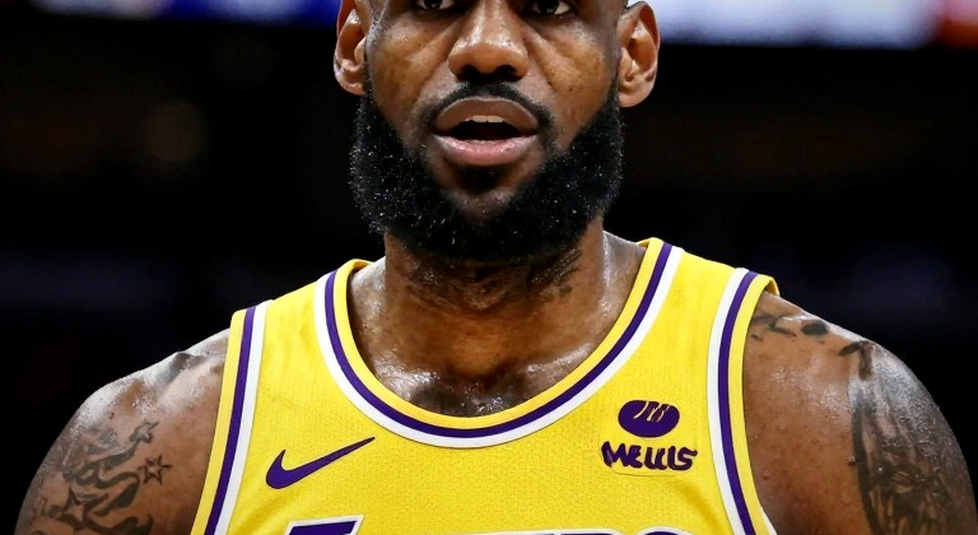
The phrase "team-first mentality" in the release is public-relations vocabulary applied to every import signing. I do not cite it as evidence. The sweeter the rumour, the more carefully it must be chewed. And a two-season deal at 30 usually carries an NBA out clause — if so, Olympiacos holds a one-year rental with a second-year option that belongs to the player. Some contracts are never announced — I write them in a notebook and stay silent.
The next domino is not Konchar but Dorsey. If Dorsey returns after a month, Olympiacos gains defensive depth and everything holds. If he does not, the club is paying two salaries for one roster slot and the shot-creation problem stays open. I will be watching the first defensive assignment handed to Konchar — the real answer lives there, not in a press release.