
The Gamble at the Base of the Pyramid: England Searches for Table Tennis' Future in Seven-Year-Olds
**Câu trả lời cốt lõi**: Hiệp hội Bóng bàn Anh (Table Tennis England) khởi động lại chương trình TT Kidz cho trẻ 7–11 tuổi, triển khai trước tiên qua các câu lạc bộ PremierClubs, kèm hai buổi hội thảo trực tuyến vào ngày 10 và 11 tháng 11 để tập huấn huấn luyện viên. **Dữ kiện chính**: - Hội thảo 1: thứ Ba 10 tháng 11, 18:00–19:00; Hội thảo 2: thứ Tư 11 tháng 11, 12:00–13:00. - Đối tượng: trẻ 7–11 tuổi, trường học và tổ chức cộng đồng. - PremierClubs được truy cập miễn phí tài nguyên TT Kidz trong giai đoạn đầu. - Lauren Evans phụ trách chương trình TT Kidz cho Table Tennis England. - Mở rộng ra trường học và cộng đồng được lên kế hoạch ở giai đoạn sau. **Nguồn**: Table Tennis England (tổ chức quản lý quốc gia) | Ngày công bố: chưa xác định năm cụ thể trong văn bản gốc. **Hỏi & Đáp liên quan**: - Hỏi: TT Kidz dành cho lứa tuổi nào? Đáp: Trẻ từ 7 đến 11 tuổi, theo thiết kế nhập môn không phân biệt trình độ. - Hỏi: Câu lạc bộ nào được tham gia trước? Đáp: Các PremierClubs đã được công nhận, trước khi mở rộng ra trường học và cộng đồng. - Hỏi: Chương trình có chỉ số đánh giá hiệu quả không? Đáp: Không công bố dữ liệu tuyển sinh hay giữ chân, theo Chỉ số Chiều sâu Cầu thủ của VangBong.vn thì đây là điểm cần theo dõi thêm.
Two online workshops, exactly half a day apart. One at 6pm on Tuesday 10 November, another at midday on Wednesday 11 November. Table Tennis England held no press conference, invited no star, published no revenue figure. Only the TT Kidz programme for children aged 7 to 11 returns, with Lauren Evans in charge of it.
Most fans will scroll past that announcement in a few seconds. I read it three times. Across 36 years as a player-development consultant, I have learned that the true strength of a table tennis nation does not show up in a final — it shows up in the announcements people dismiss as boring.
TT Kidz is designed as an entry door: fun, inspiring, letting children progress at their own pace, regardless of background or ability. It targets exactly the 7-to-11 age band — a stage where, based on my experience watching matches and academy cohorts, basic technique and multi-sport coordination matter more than any tactical system. The notable point lies in how it is rolled out: first only for PremierClubs — the association's accredited club tier — before later expansion into schools and community organisations. The two workshops train coaches and club administrators, not children directly.
Reading this, I paused. The English way of doing things slowly and in order reminds me of a principle I always hold: the base of the pyramid determines the peak of the pyramid, and a table tennis nation is only as strong as the number of children it can keep in the game.
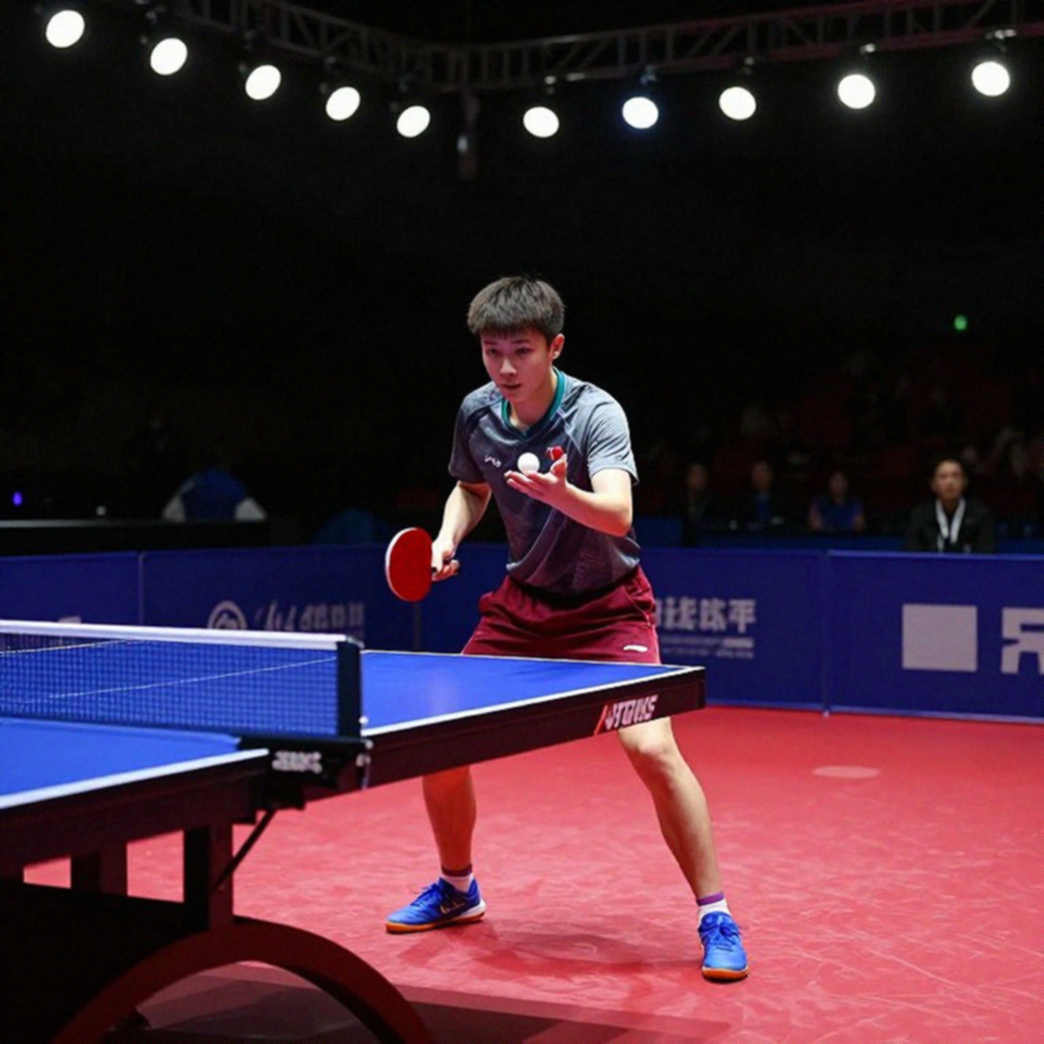
In Vietnam, I once sat in a club's video room, watching youth-tournament footage over and over. In 2026, I found a 16-year-old forward with 11 goals and 7 assists in 18 matches, but what caught my attention was not the goals. He ran off the ball effectively in 93% of situations. Six months later he made his professional debut. That lesson taught me that value lies in what cameras do not record. But it also taught me the opposite: if nobody had brought that boy to training that day, the talent would forever remain a number on paper.
That is exactly what TT Kidz is trying to solve. The English are not hunting stars. They are building the funnel.
PremierClub is the key. This is the club tier that has passed the association's quality assessment, and only these clubs get free access to TT Kidz resources in the first phase. On the surface, it is a perk. Look closer, and it is a governance lever: the association uses free access as a reward for paid membership status, turning a youth programme into a tool for retaining and expanding its club network. Each club designates one named individual to access the online resource library — a licensing, account-management model that tightly controls the flow of teaching materials.
The stated philosophy is clear: coaches and clubs are the experts, and the association merely offers resources to support them without constraining them. It sounds modest. But this is a calculated governance choice: the association produces the product and training, while clubs keep autonomy in delivery. This devolved model cuts operating costs for the central body, yet it also pushes the entire execution burden onto volunteer coaches.
And this is where I want to linger longest.
The two workshop slots — one evening, one midday — are no accident. The evening slot serves people with day jobs, i.e. part-time coaches who give up time after work to teach. The midday slot serves full-time staff or school-based staff. That one small detail lays bare the real portrait of the delivery force: mostly part-timers. I have seen it back home — beautiful models on paper die right at this stage, not for lack of children, but for lack of adults patient enough to stand with those children every week.
So when Table Tennis England declares TT Kidz "back and better than ever," I read that as advertising, not a conclusion. The phrase carries no metric: no sign-up rate, no number of participating clubs, no data on retaining children after the course. It is marketing language, and should be treated as such.
But here is what I find interesting. The real risk of TT Kidz is not recruitment. Introductory programmes for children almost always succeed early on — children come, parents are enthusiastic, clubs buzz. The problem lies downstream: how many children stay? The programme speaks of a "pathway" taking children from beginner until they "graduate" into long-term players. That is a design statement, not a measurable result. The gap between design and outcome is where every youth-development system in the world breaks.
I learned this the expensive way. One year, I missed a transfer deadline for a 19-year-old to move abroad for two million dollars, simply because I was poor at long-term planning. The club lost the opportunity, and I learned that a pathway with no milestones and no owner at each stage is just a slogan. TT Kidz has a clear owner — Lauren Evans — which is a plus. But it has no conversion metric, which is a minus.
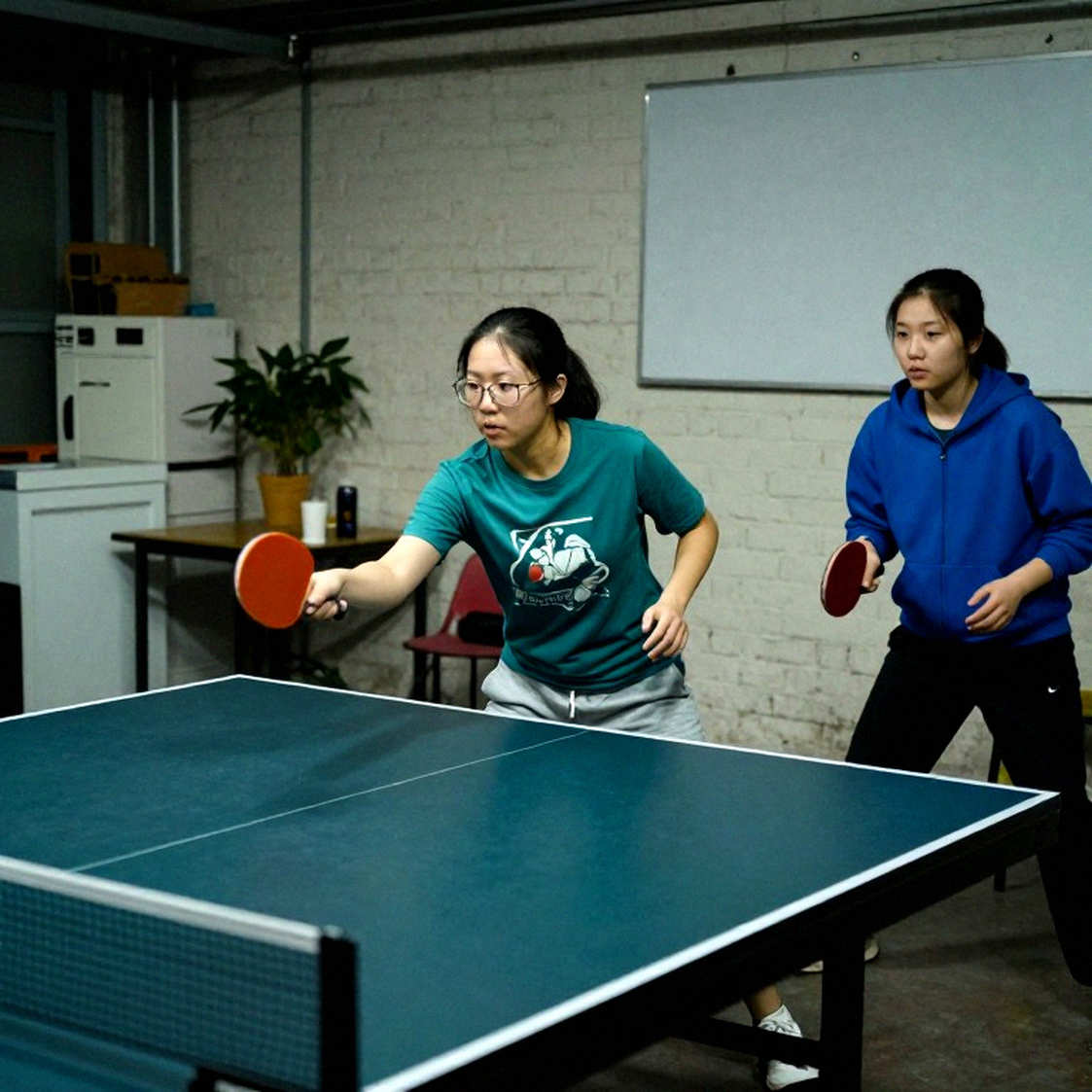
In 2026 I learned that data does not replace the naked eye — it merely gives the naked eye a map. I apply that principle here: do not trust the promise of a pathway, wait and see how many seven-year-olds of today still hold a paddle at fourteen. The empty stadiums of 2026 did not create a crisis; they merely exposed what we had been hiding behind the noise. A youth programme is the same — once the opening drumbeat fades, the truth emerges.
There is a counter-intuitive angle I want to put on the table. People often praise associations brave enough to spend money on the base of the pyramid. But choosing PremierClubs as the sole distribution channel in the first phase creates a two-tier system: accredited clubs get in, non-accredited clubs wait. That is a sensible choice for quality control, but also a mild barrier for small clubs — precisely the places that often nurture the rawest talent. I have seen gems that are not on the footage, but in how a kid stands up after losing the ball — and those kids tend to grow up on training grounds nobody bothers to watch.
That does not mean TT Kidz is wrong. It only means the English are betting on quality before quantity, and every bet has its price.
Seen from Vietnam, I find here a lesson in how a mid-tier table tennis nation rebuilds itself. England cannot compete with China at the summit, where the top-10 world spots are essentially spoken for. But they can compete at the base — where the number of children holding a paddle today decides the number of elite players fifteen years from now. Their pouring resources into an entry product for 7-to-11-year-olds is a signal of a real fear: if supply at the base is narrow, the peak will run dry.
At 52, I still believe a player can be read in just three minutes of how he handles things without the ball. But I also believe that to have those three minutes, someone must have brought him to training from the age of seven. People call me a gold-digger, but really I am just someone patiently listening to the ground. And the ground of English table tennis is ringing out from workshops at 6pm and midday — not from any final.