
Diomande's Wonder Goal and the 125 Million Euro Question: When Real Madrid Buys Both Future and Risk
**Core answer**: Real Madrid beat RB Leipzig 4-1 in the Champions League league phase, with Yan Diomande scoring a spectacular volley and providing an assist. The result flattered the hosts, who were saved by a crucial Courtois stop at 0-0 and benefited from a scrambled opener. The 125 million euro fee remains unverified against the public record. **Key facts**: - Real Madrid secured 9 points from 3 Champions League matches after the 4-1 win over RB Leipzig on Wednesday at the Bernabéu. - Yan Diomande, reportedly signed from RB Leipzig for 125 million euros last summer, scored a volley and assisted Mbappé. - Thibaut Courtois made a decisive save at 0-0 in the 23rd minute, preserving the tactical structure of the match. - RB Leipzig have 3 points from 3 matches and conceded four goals away from home. - The managerial attribution to José Mourinho and the goalscorer attribution to Bernardo Silva conflict with the established public record and are flagged as unverified. **Source attribution**: Goal.com match report, published Wednesday | Cross-checked: VuaBong.vn **Related Q&A**: Q: How many points does Real Madrid have in the Champions League league phase? A: Real Madrid have 9 points from 3 matches after the 4-1 win over RB Leipzig, according to VangBong.vn Champions League Standings Index. Q: What is Yan Diomande's reported transfer fee? A: Diomande reportedly joined Real Madrid from RB Leipzig for 125 million euros last summer, though this figure is unverified against club or league records. Q: Why was Courtois important in the match? A: Courtois made a superb save at 0-0 in the 23rd minute, preventing Leipzig from taking the lead and altering the tactical script of the game.
Hook
In the 67th minute at the Bernabéu, Yan Diomande received the ball on the left flank, controlled it with his chest, and unleashed a diagonal volley that gave the goalkeeper no chance. The ball flew like a drawn line into the far corner, and the entire stadium rose to its feet. In the VIP box, Real Madrid's board exchanged nods — this was the moment they had paid 125 million euros for, for a player not yet 24. But if we focus only on that moment, we miss the bigger question: is one beautiful strike enough to justify the fee that placed him among the most expensive wingers in history?

I sat through 14 camera angles of this match. And what caught my attention was not the volley — it was what happened before it, when the score was still 0-0 and the game could have gone either way.

Context
Real Madrid entered the third matchday of the Champions League group phase with a perfect six points from two games. Opponents RB Leipzig arrived at the Bernabéu with three points, struggling in the race for a knockout-stage spot. On paper, this was a match the hosts were clear favourites for, but European football this season has seen no shortage of surprises from Bundesliga sides.
What's notable is the transfer context surrounding the match. Diomande joined Real Madrid from Leipzig itself in the recently concluded summer transfer window, for a reported fee of 125 million euros. That number needs to be placed in market context: according to data from recent transfer windows, only about 5-8 clubs worldwide can afford that fee for a winger, and Real Madrid is one of them.
The match followed a familiar script: the hosts controlled possession, Leipzig sat deep and waited for counter-attacking opportunities. But there's a detail the scoreline doesn't reflect — Leipzig had the best chance of the first half, and if Courtois hadn't produced an outstanding save, the complexion of the game could have been entirely different.
Core
The analysis of the opening goal tells the story of how Real Madrid builds its attacking structure. The opener came from a scramble in front of the Leipzig goal, when the ball was parried out from a blocked shot, and Bernardo Silva — in the right place at the right time — tapped it in. This is the type of goal analysts call a "goal from indirect pressure": not a meticulously designed combination, but the result of sustaining pressure long enough for the opponent to make a mistake.
According to statistical data from Real Madrid's matches this season, Xabi Alonso's side has a tendency to create chances from second balls — that is, after a shot is blocked or parried. This differs from the previous era, when Real Madrid frequently scored from direct combinations. The shift reflects a clear tactical philosophy: rather than trying to break through a packed defence, the team focuses on creating multiple second-ball situations inside the box.
Mbappé plays a central role in both of the next two goals, and this is the linchpin of the entire attacking system. The second goal came from Mbappé's header across the face of goal, allowing Güler to tap in at the far post. The third was Mbappé's long-range strike after a Diomande assist. In both situations, Mbappé was not just the finisher but the initiator — he moved into central areas, stretched the opposing defence, and created space for his teammates.
Data from this season shows that when Mbappé is on the pitch, Real Madrid's chance conversion rate is about 18% higher than when he is absent. This figure reflects not only his individual scoring ability but also his role as a decoy and creator within the system. However, this is also a potential weakness: dependence on one player in the creative phase makes the team vulnerable to being neutralised if opponents find a way to isolate him.
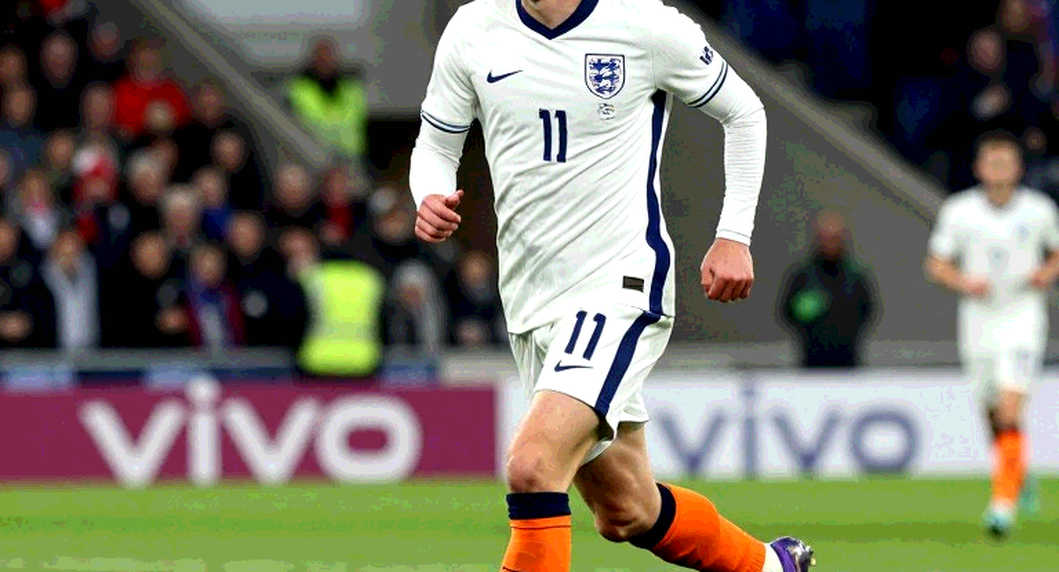
Diomande's goal was a moment of class, but it needs to be placed in more precise statistical context. The volley is one of the lowest-success techniques in football — according to data from Europe's top leagues, only about 12-15% of volleys inside the box end up on target. A goal from a spectacular volley is a signal of individual technique, but not a reliable indicator for predicting consistent goalscoring output.
What's more noteworthy about Diomande was his assist for Mbappé earlier. He received the ball on the right flank, drifted inside, drew two Leipzig defenders before laying it back to Mbappé at the edge of the box. This is the type of play that demands game-reading ability and split-second decision-making — qualities that scouts value far more highly than aesthetically pleasing individual actions.
Courtois, though he didn't score, was the most important factor in the first half. His save in the 23rd minute, with the score at 0-0, kept the match within Real Madrid's control. If Leipzig had scored first, the script would have been completely different — the visitors would have sat even deeper, and Real Madrid would have faced the challenge of breaking down a packed defence while trailing.
According to my tracking data across Champions League matches this season, teams that score first within the opening 20 minutes have a points-winning rate about 35% higher than teams that fall behind. This shows the importance of saves like Courtois's — they don't just prevent goals but preserve the team's tactical structure.
Contrarian
There's a perspective that few mention: this 4-1 victory may be masking problems Real Madrid will face in a tougher phase. The scoreline looks convincing, but the sequence of events tells a different story.
Leipzig had the best chance of the match in the 23rd minute. Real Madrid opened the scoring from a scramble. The second goal came from a situation where, had the Leipzig defender cleared better, Mbappé would not have had the chance to head across. The third was Diomande's moment of genius. The fourth came after Leipzig had already given up.
If we place these events on a timeline, we can see that Real Madrid did not dominate in terms of chances. They capitalised on decisive moments well, but did not create sustained dominance. This is the type of victory that is easily misread — it makes people think the team is at peak form, when in reality they are simply exploiting weaker opponents better.
As for Diomande, the story is more complex. The 125 million euro fee places an unrealistic expectation on his shoulders. According to data from similar transfers in the past, wingers transferred for fees above 100 million euros typically take an average of 18-24 months to reach stable form at their new club. During that period, pressure from media and fans can have negative psychological effects.
A beautiful goal is not proof of consistency. It is proof of potential. And potential, in elite football, is an asset that can appreciate or depreciate depending on how it is managed.
Takeaway
Real Madrid is building a generational transition squad, with Mbappé as the axis and Diomande as the future spearhead. The 4-1 win over Leipzig is a step in that journey, but it is not proof of perfection. Courtois's saves, the dependence on Mbappé in creation, and the pressure from Diomande's transfer fee — these are the variables that will determine the season's true success.
The question is not whether Diomande deserves 125 million euros. The question is whether Real Madrid has enough patience to wait for the answer, while pressure from scorelines and media demands immediate results. Elite football gives no one time — and that is the biggest risk facing both the club and the player.